
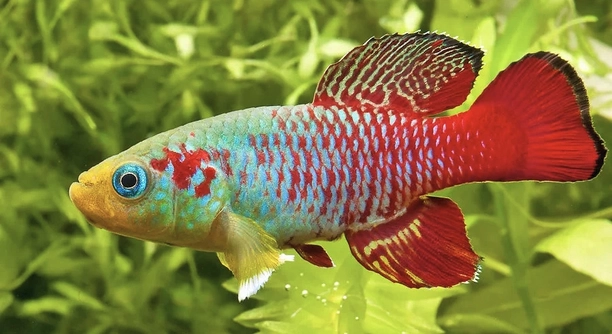
Male killifish can be beautiful but keeping them together often leads to fighting. Their natural territorial behavior makes it hard for them to coexist peacefully in the same tank. Understanding how to reduce aggression is important for any hobbyist.
The best way to prevent fights among male killis is by providing enough space, hiding spots, and visual barriers. Separating aggressive individuals and keeping only one male per tank also greatly reduces conflict and stress.
Learning these simple steps will help you create a calmer environment. Proper tank setup and care make a big difference in the well-being of your killifish.
Creating Enough Space and Hiding Spots
Male killifish are naturally territorial, so giving them enough room to establish their own areas is key to reducing fights. A tank that is too small causes constant encounters, which leads to aggression. A minimum of 10 gallons is recommended for a single male, with more space needed when keeping several males. Adding plants, rocks, and decorations creates hiding spots and breaks up sightlines. These barriers help males avoid seeing each other all the time and lower stress levels. Dense planting also mimics their natural environment and provides safe places to retreat when threatened. Using floating plants or tall vegetation near the surface can also offer cover and reduce open areas where fights start. The goal is to create multiple territories so no single male feels trapped or challenged constantly. Proper tank setup is a simple but effective way to keep peace.
Providing hiding places is a natural way to reduce aggression and help males feel secure. It gives them options to escape conflicts.
Many aquarists underestimate how important territory division is. When males have distinct areas separated by plants or decorations, they tend to stay calmer. Overlapping territories cause frequent confrontations, increasing injury risk. Regularly rearranging tank items can disrupt established territories and reduce dominance fights. However, this should be done gradually to avoid stressing the fish. Monitoring the males’ behavior helps determine if more space or hiding spots are needed. If aggression persists, separating the most aggressive males is necessary. Overall, a well-planned tank layout improves the quality of life and keeps males healthier.
Managing Male Killifish Together
Keeping multiple males in one tank requires careful planning and observation. Start with enough space and plenty of cover to prevent constant contact. Sometimes, even with good conditions, fights can happen. It is important to watch their behavior and be ready to intervene.
If aggression is high, removing the most aggressive males is often the only solution. Another option is to keep only one male per tank to avoid conflict entirely. Splitting males into separate tanks or using breeder boxes within a community setup can work as well. Remember that stress from fighting weakens their immune systems and shortens their lifespan. Preventing fights improves their health and promotes natural behaviors like breeding. Overall, understanding and respecting the killifish’s territorial needs is essential to keeping them together safely.
Feeding and Reducing Aggression
Feeding male killifish properly can lower aggressive behavior. Regular, balanced meals keep them healthy and less likely to fight over food.
A consistent feeding schedule with high-quality food helps keep killis satisfied. Overfeeding can cause poor water quality, increasing stress and aggression. Feeding small amounts multiple times a day prevents competition. Live or frozen foods like daphnia, brine shrimp, and bloodworms mimic their natural diet and encourage natural hunting behaviors. Avoid feeding large pellets that are difficult for them to eat quickly, which can lead to fights. Also, distribute food evenly across the tank so all males get their share without guarding a single spot.
Providing a varied diet reduces stress and promotes peaceful behavior. When killis are well-fed and busy hunting, they focus less on fighting. Ensuring good water quality also supports calmer fish, so regular tank maintenance is essential to keep aggression low.
Using Visual Barriers and Tank Dividers
Visual barriers help block line of sight between aggressive males. Plants, rocks, or decorations placed strategically reduce tension by limiting visibility.
Tank dividers are a practical solution when aggression remains high despite other efforts. They create separate spaces, allowing males to live near each other without direct contact. Dividers can be clear or mesh, depending on whether water flow between sections is needed. Using dividers helps maintain social interaction without risk of injury. This method is especially useful during breeding or quarantine periods. It allows males to share a tank while preventing territorial fights. However, dividers require regular cleaning and monitoring to avoid buildup of waste and stress. Combining visual barriers with dividers creates a balanced environment that respects territorial instincts while reducing conflict.
Monitoring Behavior Closely
Keeping a close eye on male killifish behavior helps catch early signs of aggression. Early intervention can prevent serious fights and injuries.
Look for chasing, fin nipping, or constant chasing. These behaviors mean stress is rising and changes may be needed to the tank setup or stocking.
Adjusting Tank Conditions
Water quality and temperature affect killifish behavior. Stable conditions reduce stress and help keep aggression low. Regular water changes and proper filtration are essential. Keeping the temperature consistent around 72-75°F supports their natural comfort zone. Sudden changes can trigger aggression, so avoid rapid fluctuations. A clean, stable environment helps males feel secure and less likely to fight. Testing water parameters regularly prevents buildup of harmful substances that cause discomfort. Adjusting these factors creates a healthier, calmer tank where male killifish can coexist more peacefully.
Separating Aggressive Males
Removing overly aggressive males from the tank often stops fights and protects others. Sometimes separation is the only way to maintain peace.
FAQ
How many male killifish can I keep together?
The number depends on tank size and setup. Ideally, one male per 10 gallons reduces aggression risks. If the tank is larger with plenty of hiding spots and visual barriers, you might keep two or three males. Overcrowding usually causes fights, so space and proper decor are critical. When in doubt, it’s safer to keep fewer males or separate aggressive individuals.
Why do male killifish fight?
Male killifish are territorial by nature. Fighting helps them establish dominance and defend their space, especially during breeding periods. In a confined environment like an aquarium, this territorial instinct becomes stronger, leading to frequent conflicts if the setup doesn’t allow clear separation or escape routes.
What signs show my killifish are fighting?
Watch for chasing, biting at fins, and torn or missing fins. Males may also flare their fins and display bright colors to intimidate others. Constant aggression causes stress and injuries, so quick action is important to avoid long-term harm.
Can female killifish help reduce male fights?
Introducing females sometimes distracts males, but it doesn’t always prevent fighting. Males still compete for dominance and breeding rights. It may reduce aggression slightly, but it’s not a reliable solution. The best way to prevent fights is managing space and tank setup.
Is it okay to separate aggressive males permanently?
Yes, separating aggressive males is often necessary for their safety and the well-being of others. Housing aggressive fish alone or in divided tanks prevents injury and stress. It also helps keep the main community calm and healthy.
How often should I feed male killifish to reduce aggression?
Feeding small amounts two to three times daily works well. Regular feeding prevents hunger-driven fights and keeps them occupied. Using a varied diet with live or frozen foods supports natural behaviors and overall health.
Can rearranging the tank help with aggression?
Yes, rearranging decorations and plants disrupts established territories and can reduce fights. Changing the layout forces fish to reset their boundaries, which may lower ongoing tension. Do this gradually to avoid stressing your killifish.
What role does water quality play in aggression?
Poor water quality increases stress, which often triggers aggression. Regular water changes, proper filtration, and stable parameters help keep killifish calm. Testing water regularly ensures a healthy environment, reducing the likelihood of fights.
Are tank dividers effective for aggressive males?
Tank dividers work well to separate males that cannot coexist peacefully. They provide physical boundaries while allowing water flow, keeping the fish healthy. Dividers let males be near each other without direct contact, preventing injury.
How do I know when to intervene during fights?
Intervene if you see serious chasing, injuries, or one fish constantly bullied. Early separation or rearranging the tank helps avoid damage. Watching your fish daily ensures you catch problems before they escalate.
Can lighting affect killifish aggression?
Bright lighting can increase stress and highlight territorial behavior. Providing shaded areas with floating plants or dimmer lighting helps reduce aggression. Mimicking natural light cycles supports calmer fish.
Is it normal for male killifish to be aggressive during breeding?
Yes, aggression rises when males compete for females and territory. This behavior is natural but can be harmful in tanks. Extra care with tank setup and monitoring is needed during breeding times.
What is the best way to introduce new males into a tank?
Introduce new males carefully by rearranging decorations first to break existing territories. Adding them to a larger tank with plenty of hiding spots reduces fights. Consider using a quarantine or divider before full introduction.
Can stress cause increased fighting in killifish?
Stress from overcrowding, poor water conditions, or lack of hiding spots increases aggression. Keeping the environment stable and comfortable helps reduce stress-induced fights.
How do I treat injuries from fights?
Isolate injured fish in a hospital tank with clean, warm water and mild antibacterial treatment if needed. Improving the main tank conditions prevents further injuries and promotes healing.
These answers cover the most common concerns and offer practical advice to keep male killifish peaceful and healthy. Monitoring behavior and adjusting their environment is key to success.
Male killifish are beautiful and interesting fish, but their natural territorial instincts can lead to fighting when kept together. Understanding their behavior is important to provide a peaceful home. Giving them enough space, creating hiding spots, and using visual barriers all help reduce aggression. These simple steps allow each male to establish its own area without feeling constantly threatened. When the environment supports their natural habits, they are less likely to fight and more likely to thrive.
Feeding also plays an important role in keeping male killifish calm. Providing a balanced diet on a regular schedule prevents hunger-related aggression. Using live or frozen foods encourages natural hunting behaviors, which keeps the fish active and distracted. Water quality and tank conditions must be maintained carefully, as poor water causes stress and increases fighting. Regular cleaning, stable temperature, and proper filtration all contribute to a healthier and less aggressive community. Watching the fish’s behavior closely allows for early intervention if problems arise.
Sometimes, even with good care, some males may be too aggressive to live peacefully with others. Separating these individuals using tank dividers or different tanks is necessary to protect all fish involved. This ensures injuries are avoided and stress is lowered. Overall, caring for male killifish requires attention to space, diet, environment, and behavior. By respecting their natural needs and instincts, it is possible to keep them together safely and enjoy their vibrant colors and lively personalities.

Hello,
If you enjoy the content that we create, please consider saying a "Thank You!" by leaving a tip.
Every little bit helps us continue crafting quality advice that supports the health, happiness, and well-being of pets around the world, for pets of all shapes, sizes, and species.
We really appreciate the kindness and support that you show us!