
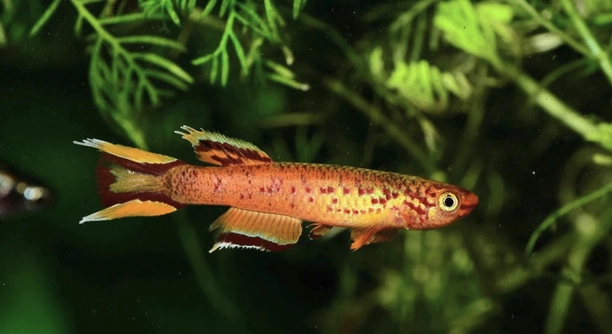
Do your killifish seem uninterested in their surroundings no matter how much effort you put into decorating their tank setup?
Killifish thrive in layouts that mimic natural habitats, feature dense planting, provide shaded areas, and include soft substrate. Creating variety in structure and hiding spaces supports their territorial behavior and promotes overall well-being.
From plant-filled tanks to minimalist scapes, these layout ideas focus on comfort, enrichment, and health for your vibrant little swimmers.
Natural Biotope Setup
Creating a natural biotope setup is one of the best ways to support the behavior and comfort of your killifish. These tanks are designed to resemble the natural environments where killifish originate. Use soft, dark substrate like sand or fine gravel, and add Indian almond leaves or other botanicals to mimic tannin-rich waters. Include floating plants and driftwood to offer shade and hiding spots, which help reduce stress. Keep lighting subdued and ensure water parameters match those of their native habitat. This layout not only looks beautiful but also helps your killifish feel secure and active in their surroundings.
Use leaf litter and low-light plants like Java moss to create depth and shelter. Killifish enjoy exploring through scattered branches and twigs, which also create visual barriers.
Biotope tanks need regular water changes to maintain balance, but they’re generally low-maintenance once established. Your killifish will display more natural behaviors in this type of layout.
Planted Tank with Open Swimming Space
Killifish like dense planting but also need open space to swim freely. Avoid overcrowding the tank with too many tall plants or hardscape items.
Focus on creating planted zones at the sides and back of the tank, leaving the center open for swimming. Use rooted plants like Cryptocoryne and floating options like water lettuce or frogbit to provide cover. Killifish often stay near the top, so floating plants help reduce light and make them feel safe. You can anchor driftwood or rock in corners to add structure while leaving the middle area unobstructed. This balance supports their need to dart, explore, and rest in shaded areas. When trimming plants, maintain enough cover to prevent territorial stress. Avoid overly bright lighting; diffused light keeps your fish calm. Feeding is easier in tanks with open areas, and cleaning becomes more manageable. Over time, this layout promotes better movement, stronger coloration, and more frequent spawning behavior.
Shallow Water Layout
Killifish naturally live in shallow streams, puddles, and marshes, so a low-height tank can suit them well. These tanks are easy to maintain, allow better light distribution, and encourage surface activity, which is where many killifish prefer to swim.
Use a tank height of 10 to 12 inches and emphasize horizontal space. Add floating plants like Salvinia or duckweed to give them shade and security. Use soft, sandy substrate and place scattered rocks or driftwood for resting spots. Avoid strong currents—killifish prefer calm, still water. Keeping the water shallow helps mimic their seasonal, temporary water habitats. Shallow setups are also good for breeders, allowing better access to spawning sites and eggs. When done correctly, this setup encourages better feeding behavior and reduces stress.
Stick with gentle filtration like sponge filters and avoid overcrowding. A single pair or small group will do best in this setup. Regular water changes help maintain water quality.
Blackwater Theme Layout
Dark water creates a calming space that feels more natural for killifish. The stained effect comes from adding botanicals that release tannins into the water. These tanks are ideal for nervous or shy fish that need extra cover.
Start with a soft, sandy base and add dried Indian almond leaves, alder cones, or other botanical elements. These release tannins that naturally lower the pH and soften the water. Use low-light plants like Java fern or Anubias tied to driftwood for a grounded, earthy look. Keep lighting dim and warm-toned to enhance the dark, amber color of the water. This reduces stress and highlights the vibrant colors of your killifish. The botanical elements also create microhabitats that encourage foraging and more natural behavior. Don’t overdo decorations; keep it minimal to maintain open space. Use gentle filtration to avoid stirring up the substrate. Blackwater layouts are beautiful, calming, and especially great for species from soft-water regions.
Minimalist Hardscape Layout
This style uses just a few key elements like smooth stones, branches, or driftwood arranged with purpose. It gives your killifish space to swim while offering enough cover to feel safe and reduce territorial stress.
Keep decorations simple and leave most of the substrate open. Choose soft lighting to keep things calm.
Breeding-Friendly Layout
For breeding tanks, focus on simplicity and practicality. Use bare-bottom tanks or fine sand for easy cleaning and egg spotting. Add spawning mops or fine-leaved plants like Java moss where females can lay eggs safely. A sponge filter keeps water clean without disturbing delicate fry. Avoid strong currents and bright light. Provide cover using floating plants or leaf litter to reduce stress for breeding pairs. Feed live or frozen food to condition the fish, and remove adults after spawning if needed. Keep the layout clean and organized to help monitor breeding progress and fry survival more easily.
Nano Tank Layout
Small tanks can still support killifish if set up thoughtfully. Use a single pair or trio, gentle filtration, and plenty of cover from moss or floating plants to reduce stress and boost activity.
FAQ
What is the best tank size for killifish?
A 10 to 20-gallon tank works well for most killifish species. Smaller tanks like 5 gallons can be used for a single pair, especially for breeding or species that prefer solitude. Horizontal space is more important than height, as killifish tend to swim near the surface. If you plan to keep a small group or community setup, choose a longer tank to prevent aggression and allow swimming room. Always match the tank size to the species and number of fish, and avoid overstocking. Killifish are small but still need space to feel secure and active.
Can killifish live in a community tank?
Yes, some species do well in peaceful community tanks, but it depends on the type of killifish. Avoid housing them with fin-nipping or overly active fish. Stick with calm tankmates like small tetras, rasboras, or peaceful bottom dwellers. Be mindful of tank size and hiding spaces. Keep only one male killifish per tank if they are territorial. Female groups work better in larger setups. Always research compatibility before mixing species. Some killifish are better kept in species-only tanks due to their specific behavior or breeding needs.
Do killifish jump out of tanks?
Yes, killifish are known for jumping. They’re strong jumpers and can escape through the smallest openings. Always use a tight-fitting lid with no gaps. Floating plants can help reduce jumping by giving them a sense of cover near the surface. Avoid sudden movements and keep lighting consistent to prevent panic jumping. Never leave an open tank unattended, even for a short time. A secure lid is one of the most important parts of killifish care.
How often should I clean a killifish tank?
Clean the tank weekly by doing a 25–30% water change. Use a gravel vacuum if you have substrate, and clean the filter monthly or as needed. Remove uneaten food to prevent water quality issues. Killifish don’t like large water swings, so keep the routine consistent. For breeding setups or smaller tanks, you may need more frequent maintenance due to limited water volume. Test your water weekly to make sure ammonia, nitrite, and nitrate levels are in check.
What should I feed killifish?
Feed them a varied diet of live or frozen foods like daphnia, brine shrimp, and bloodworms. They also accept high-quality pellets or flakes made for carnivorous fish, but live food helps bring out better color and activity. Feed once or twice daily in small portions. Remove uneaten food to keep the tank clean. For breeding, increase feedings slightly to help condition them. Avoid overfeeding, as it can quickly foul the water and cause stress.
Do killifish need a heater?
It depends on the species and room temperature. Most killifish prefer water between 72–78°F (22–25°C). If your room stays stable in that range, a heater may not be necessary. However, if the temperature drops at night or during winter, a small adjustable heater will help keep the environment stable. Consistency matters more than exact temperature. Avoid sudden fluctuations, which can lead to stress and illness. Always monitor tank temperature with a reliable thermometer.
How can I tell if my killifish are stressed?
Signs of stress include dull colors, hiding more than usual, reduced appetite, and fast or shallow breathing. Constant chasing or fin damage can mean they are being bullied. Check water parameters first, then review tank layout and tankmate behavior. Adding more hiding spots or floating plants often helps. Ensure the tank is not overcrowded, and keep light levels low if needed. A calm, stable environment supports better health and activity. Acting early can prevent more serious issues later.
Final Thoughts
Killifish are small, colorful fish that thrive in well-planned tanks. They need space, clean water, and plenty of cover to feel safe and stay active. Choosing the right layout makes a big difference in how they behave, eat, and breed. Each setup in this article offers something different, whether you’re aiming for a natural look, a breeding setup, or a low-maintenance tank. The key is to match the layout to your specific goals and the needs of the species you keep. Even a small tank can be a healthy home when it’s arranged with care and attention to detail.
Keep in mind that killifish are surface dwellers and strong jumpers, so a secure lid is always important no matter which layout you choose. Adding floating plants and soft lighting helps reduce stress and encourages natural behavior. Water conditions matter too—many species prefer softer, slightly acidic water. Test your water regularly and change it weekly to keep levels stable. Feeding also plays a big role in their health. Offer a mix of live, frozen, or high-quality dry food in small portions. Overfeeding or skipping cleanings can quickly affect their health, especially in smaller tanks. Keep the routine simple and consistent for the best results.
There’s no one perfect layout for all killifish, but each of the seven ideas shared above can support a safe, engaging space that meets their needs. Whether you choose a biotope, blackwater, shallow, or minimalist setup, the goal is to make the fish feel secure while allowing them to behave naturally. Watching them explore, chase, and display their colors is more rewarding when you know the tank is working for them. With some planning, regular care, and small adjustments as needed, your killifish can stay healthy and active in a setup that fits both their needs and your style.

Hello,
If you enjoy the content that we create, please consider saying a "Thank You!" by leaving a tip.
Every little bit helps us continue crafting quality advice that supports the health, happiness, and well-being of pets around the world, for pets of all shapes, sizes, and species.
We really appreciate the kindness and support that you show us!