
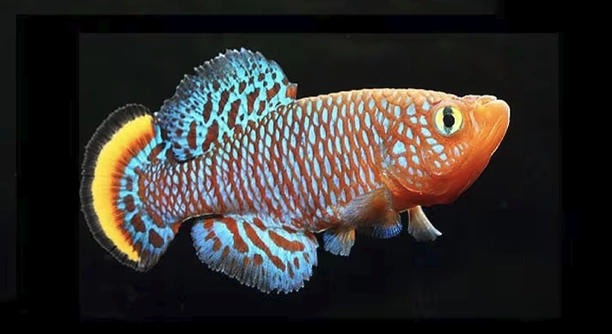
Feeding killifish can be a rewarding experience for aquarium lovers who enjoy watching their vibrant colors and lively behavior. Many fishkeepers want to know how to best care for these delicate creatures, especially when it comes to their diet. Providing proper nutrition is key to keeping killifish healthy and active.
Killifish should not be fed just one type of food, as a varied diet ensures they receive all necessary nutrients. Relying on a single food source can lead to deficiencies and health problems, so incorporating a mix of live, frozen, and prepared foods is recommended.
Offering different foods helps maintain killifish vitality and enhances their natural coloration and longevity. Understanding what to feed can improve your fishkeeping experience significantly.
Why Killifish Need a Varied Diet
Killifish are small but active fish with specific nutritional needs that one type of food alone cannot fulfill. They thrive best when their diet includes a balance of proteins, vitamins, and minerals. Feeding only flakes, for example, might provide some nutrients but miss others vital for their immune system and growth. Live foods like brine shrimp or daphnia add variety and stimulate natural hunting behaviors, which can help reduce boredom and stress. Frozen foods are also good because they keep well and can offer nutrients similar to live food without the risk of introducing parasites. A varied diet supports their vibrant colors and encourages breeding, making your aquarium more lively. It also prevents dietary deficiencies that can cause health issues such as weakened immunity or poor development. Paying attention to what you feed your killifish ensures they stay healthy and active for a long time.
A varied diet is essential for killifish health, preventing nutritional gaps and promoting natural behavior. Variety helps keep them vibrant and active in your tank.
Balancing different types of food helps mimic the killifish’s natural diet. In the wild, they eat small insects, larvae, and microorganisms, so offering a mix in captivity supports their overall well-being. Combining flakes, frozen, and live foods creates a more complete diet and prevents the risks of feeding only one food type, such as poor nutrition or loss of appetite. Regularly switching foods also encourages killifish to remain curious and engaged, which benefits their mental health. It’s a small effort that goes a long way toward a happy, healthy tank.
Common Foods for Killifish and Their Benefits
Killifish eat a variety of small live or frozen foods and quality prepared foods for best results.
Live foods like mosquito larvae and brine shrimp offer excellent protein and help promote natural hunting behavior. These foods are usually highly digestible and provide essential nutrients that processed foods may lack. Frozen options like bloodworms or daphnia are convenient alternatives, providing similar nutrition without the need to keep live cultures. High-quality flake or pellet foods can be used to supplement their diet and ensure they receive vitamins and minerals consistently. However, relying only on prepared foods may lead to dull colors or weaker health over time. Rotating these food types will keep killifish interested and improve their overall condition. Offering a mix of these options every few days helps maintain a balanced diet and supports your fish’s energy and vitality.
Risks of Feeding Only One Type of Food
Feeding killifish a single type of food can cause health problems and reduce their lifespan. Nutritional imbalances often occur, weakening their immune system and making them vulnerable to diseases.
When killifish eat only one kind of food, they miss out on essential nutrients needed for proper growth and coloration. For example, feeding only flakes may lack sufficient protein, while feeding only live food might not provide enough vitamins. This can lead to stunted growth, poor color development, and increased susceptibility to illness. A limited diet can also cause boredom, reducing their appetite and activity levels. Variety in their diet ensures they get a balanced mix of nutrients, helping them stay strong and vibrant.
Some prepared foods might not offer enough nutrients alone, and live foods can sometimes carry parasites if not sourced properly. Mixing food types reduces these risks and improves overall nutrition. Rotating foods regularly encourages healthy feeding habits and supports the killifish’s natural behavior. This balance is key to maintaining their health over time.
Tips for Feeding Killifish a Balanced Diet
Offer small amounts of different food types daily to meet nutritional needs. Variety keeps killifish healthy and active.
Feed live or frozen foods like brine shrimp or bloodworms two to three times a week. Supplement these with high-quality flakes or pellets on other days to provide essential vitamins and minerals. Avoid overfeeding to prevent water quality issues. Observe your killifish’s behavior and appetite, adjusting portions accordingly. Keep some variety in the feeding schedule to stimulate natural hunting instincts and maintain interest in their food. This approach supports both their physical health and mental well-being, ensuring they thrive in your care.
How Often to Feed Killifish
Feeding killifish small amounts two times a day is ideal. Overfeeding can pollute the water and harm your fish.
Providing food in controlled portions helps prevent uneaten food from decaying and keeps the tank clean. Regular feeding times support their natural routine and promote healthy digestion.
Signs Your Killifish Isn’t Getting Enough Nutrition
Killifish that lack proper nutrition may lose color, become less active, or show slow growth. These signs suggest their diet needs adjustment.
Watching your fish carefully helps catch these problems early. Improving their diet with varied and nutrient-rich foods can restore their health and vitality.
Storing Killifish Food Properly
Keep all types of killifish food in cool, dry places to maintain freshness and nutritional value. Proper storage prevents spoilage.
Expired or poorly stored food can harm your fish’s health and reduce feeding interest. Regularly check expiration dates and store foods tightly sealed.
Can Killifish Eat Only Flakes?
Killifish can survive on flakes alone for a short time, but this is not ideal. Flakes often lack the full range of nutrients killifish need to thrive. Over time, feeding only flakes can cause nutritional deficiencies, leading to poor health and dull colors. Flakes are best used as part of a varied diet rather than the sole food source.
Is It Safe to Feed Killifish Only Live Food?
Feeding killifish exclusively live food is risky. Live foods like brine shrimp and mosquito larvae provide excellent nutrition, but they don’t cover all dietary needs. Also, live foods can carry parasites or bacteria if not sourced carefully. To keep killifish healthy, it’s better to mix live food with frozen or prepared options.
How Often Should Killifish Be Fed?
Killifish do well with two small feedings per day. Overfeeding can cause water quality problems and stress the fish. It’s important to offer only what they can eat in a few minutes. Watching their eating habits helps avoid waste and keeps the tank clean.
Can Killifish Eat Vegetables or Plant Matter?
Killifish are mostly carnivores, so they don’t need vegetables regularly. However, some may nibble on soft plants or algae. Providing occasional plant matter won’t harm them, but their main diet should focus on protein-rich foods to meet their nutritional needs.
What Are the Best Live Foods for Killifish?
The best live foods include brine shrimp, daphnia, mosquito larvae, and bloodworms. These foods are rich in protein and encourage natural hunting behaviors. Feeding a variety of these live foods helps keep killifish healthy and active.
How Important Are Frozen Foods in a Killifish Diet?
Frozen foods like bloodworms and brine shrimp are convenient and nutritious alternatives to live foods. They reduce the risk of introducing diseases and can be stored easily. Including frozen foods adds variety and essential nutrients to killifish diets.
Can Killifish Eat Only One Type of Frozen Food?
Relying on just one frozen food is not recommended. Like live foods, frozen options vary in their nutrient profiles. Feeding a mix of frozen foods ensures killifish get balanced nutrition and prevents deficiencies.
What Happens If Killifish Are Overfed?
Overfeeding can lead to obesity, poor water quality, and increased risk of disease. Uneaten food decomposes and raises toxin levels in the tank. Feeding the right amount helps keep killifish healthy and the aquarium environment stable.
How Can I Encourage Killifish to Eat a Varied Diet?
Offer different foods at different times, mixing flakes, frozen, and live options. Changing food textures and types helps prevent boredom and encourages natural hunting instincts. Patience is key, as some killifish may be picky at first.
Are There Ready-Made Killifish Foods Available?
Some companies offer specialized killifish pellets or flakes designed to meet their dietary needs. These can be part of a varied diet but should not replace live or frozen foods entirely. Always check ingredient lists for quality.
Can Killifish Eat Frozen Bloodworms Every Day?
Feeding frozen bloodworms daily is not ideal because they lack some vitamins and minerals. Use them as a treat or part of a varied diet, alternating with other foods to provide balanced nutrition.
How Do I Know If My Killifish Is Getting Enough Food?
Healthy killifish will be active, display bright colors, and grow steadily. If they refuse food, lose weight, or become dull, their diet may need adjustment. Observing their behavior and condition helps identify feeding problems early.
Is It Necessary to Soak Dried or Frozen Foods Before Feeding?
Soaking dried or frozen foods briefly can help remove excess preservatives and improve digestion. It also softens the food, making it easier for killifish to eat. However, this step is optional and depends on the food type.
Can Killifish Eat Brine Shrimp Eggs?
Brine shrimp eggs need to hatch before feeding. Killifish prefer live brine shrimp nauplii, which are rich in nutrients. Feeding eggs alone won’t provide the same benefits and may go uneaten.
What Should I Do If My Killifish Rejects Certain Foods?
Try offering smaller portions or mixing the rejected food with something they like. Gradually introduce new foods over several days. Sometimes warming frozen food slightly can increase interest. Patience and persistence often pay off.
How Important Is Variety in a Killifish’s Diet?
Variety is crucial. It ensures killifish receive a complete range of nutrients and stay mentally stimulated. A varied diet supports their health, vibrant colors, and natural behavior. Feeding the same food repeatedly can cause boredom and health issues.
Can Killifish Eat Commercial Pellet Foods?
Yes, high-quality pellets designed for carnivorous fish can be part of their diet. However, pellets alone don’t meet all their needs. Use pellets to supplement live and frozen foods, not as the only food source.
Are There Any Foods Killifish Should Avoid?
Avoid feeding killifish large or hard foods they can’t easily eat, such as whole worms or big insects. Also, never feed processed human food or anything with additives, as these can harm their health.
How Can I Ensure My Killifish’s Diet Is Balanced?
Rotate different types of live, frozen, and prepared foods regularly. Monitor your fish’s health and behavior to see if they respond well to the diet. Adjust portions and variety as needed to keep them strong and colorful.
When it comes to feeding killifish, variety is very important. Killifish need different kinds of food to get all the nutrients they require. Feeding just one type of food, whether it is flakes, live food, or frozen food, can lead to health problems over time. A balanced diet helps killifish stay healthy, active, and colorful. It also supports their immune system and growth. Paying attention to what you feed your killifish makes a big difference in how well they do in your aquarium.
Mixing live foods like brine shrimp or mosquito larvae with frozen foods such as bloodworms, along with high-quality flakes or pellets, is a good way to provide a complete diet. Each type of food offers different nutrients that killifish need to thrive. Live foods encourage natural hunting behavior, which keeps killifish active and interested in eating. Frozen foods are convenient and help reduce risks of parasites, while prepared foods make sure they get consistent vitamins and minerals. Feeding different types of food also helps avoid boredom and keeps killifish curious and engaged.
It’s also important to feed killifish the right amount of food and not overfeed them. Too much food can pollute the tank and harm your fish. Feeding small portions two times a day works well for most killifish. Watching your fish closely will help you know if they are eating enough or if their diet needs changes. Proper storage of all types of food keeps them fresh and safe for your fish. Overall, giving killifish a varied, balanced diet and good care helps them live longer and look their best.

Hello,
If you enjoy the content that we create, please consider saying a "Thank You!" by leaving a tip.
Every little bit helps us continue crafting quality advice that supports the health, happiness, and well-being of pets around the world, for pets of all shapes, sizes, and species.
We really appreciate the kindness and support that you show us!