
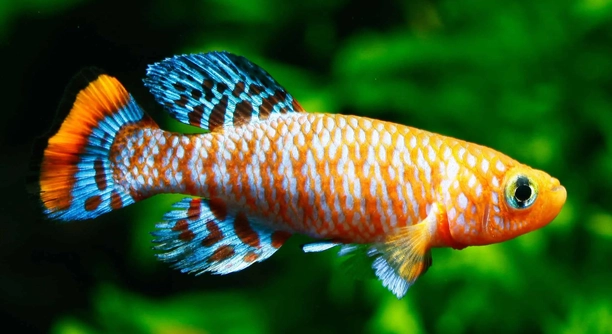
Some killifish, or killis, are known for their striking and changing colors. This unique trait often fascinates fish enthusiasts who keep them in home aquariums. Understanding why these color changes happen can improve care for these vibrant fish.
Killifish change color frequently due to factors like stress, mood, water conditions, and breeding behavior. These changes serve as communication signals or adaptations to their environment, helping them survive and interact effectively in their habitat.
Exploring these reasons will provide useful insights for keeping killis healthy and vibrant in your aquarium.
Reasons Behind Color Changes in Killifish
Killifish often change their colors because of several natural reasons. Stress is one of the main triggers. When a killifish feels threatened or uncomfortable, its colors may fade or darken as a reaction. Mood also plays a part—when they feel calm or excited, their colors can brighten or shift. Water quality affects coloration too; changes in temperature, pH, or clarity can cause the fish to alter their hues. During breeding season, males especially show more vivid colors to attract females. This color display is a natural part of their mating behavior. The fish also use color changes to communicate with others or to blend into their surroundings for protection. These changes are all part of how killifish adapt and survive in their environment, making them dynamic and interesting to observe.
Killifish colors are not fixed but respond quickly to environmental and social signals around them.
Understanding these triggers helps you provide a better habitat and reduce stress for your killifish.
Stress and Environment Effects on Color
Stress and environment have a direct effect on killifish coloration. Stress can come from overcrowding, poor water conditions, or sudden changes in their tank. Killifish respond by dulling their colors as a sign of discomfort or fear. Stable and clean water conditions promote brighter and healthier colors, which means maintaining proper filtration and regular water changes is essential. Proper tank setup, including hiding spots and compatible tank mates, reduces stress. Light intensity and duration also influence how vibrant killifish appear. Too much light can bleach their colors, while too little can make them look dull. Observing how your killifish respond to their environment helps ensure they feel secure and display their natural colors well. Paying attention to these details results in a healthier and more visually appealing aquarium.
Providing a calm, clean environment supports the natural color changes and overall wellbeing of your killifish.
Breeding and Color Changes
During breeding, male killifish display their brightest colors to attract females. This intense coloration signals health and vitality, increasing their chances of mating success. Females often respond to these vibrant displays when choosing partners.
The color changes in breeding males can be quite dramatic. They shift from dull tones to vivid patterns within a short period. This transformation helps males stand out in crowded environments. It also signals dominance and readiness to defend territory from rivals. Females, on the other hand, may show subtle color shifts indicating receptiveness or stress depending on the situation. These dynamic changes are an important part of killifish reproductive behavior.
Breeding-related color changes require proper tank conditions to support spawning and reduce stress. A well-maintained environment with suitable hiding spots encourages natural displays and healthier fish.
Social Interaction and Color Variability
Killifish use color changes to communicate with other fish, especially within their social groups. Shifts in color indicate mood, dominance, or submission, helping maintain social order. These signals prevent conflicts and establish hierarchies.
Color variation also occurs during territorial disputes or when establishing mates. Dominant fish show brighter colors, while submissive individuals display faded hues. These changes allow killifish to avoid unnecessary fights by signaling their status visually. Social interactions influence daily color fluctuations and overall appearance. Watching these behaviors reveals how killifish use color as a complex form of communication. Maintaining a stable social environment helps support healthy color expression and reduces aggression.
Lighting and Color Perception
Lighting plays a crucial role in how killifish display their colors. Different light intensities can either enhance or mute their natural hues. Proper lighting helps maintain the brightness and vibrancy of their scales.
Too much light can cause stress, leading to dull colors. On the other hand, low light may hide some of the fish’s natural patterns. Finding the right balance is key to showcasing their true colors while keeping them comfortable.
Health and Color Changes
Illness or poor health often causes killifish to lose their bright colors. Fading or patchy colors may signal infections or nutritional deficiencies. Monitoring color changes can help catch health issues early before they worsen.
Maintaining good water quality and providing a balanced diet supports the fish’s immune system and vibrant appearance.
Seasonal Color Shifts
Some killifish display seasonal changes in color due to natural environmental cycles. These shifts help them adapt to varying conditions and improve survival chances during different times of the year.
Understanding these patterns can help mimic natural conditions in captivity for healthier fish.
FAQ
Why do killifish change color so often?
Killifish change color frequently as a natural response to environmental and social factors. Stress, mood, water quality, and breeding behavior all influence their coloration. These changes help killifish communicate, attract mates, and protect themselves by blending with their surroundings. The color shifts are part of their survival strategy.
Can stress cause permanent color changes in killifish?
Stress usually causes temporary color changes like fading or darkening. If the stress is prolonged or severe, it might lead to long-term dulling of colors due to weakened health. Maintaining stable water conditions and a peaceful environment helps prevent stress-related color loss.
How does breeding affect killifish colors?
During breeding, male killifish intensify their colors to attract females and show dominance. These bright displays signal health and fertility. Females may also show subtle color changes related to readiness or stress. Proper tank setup encourages natural breeding behaviors and color displays.
What role does water quality play in color changes?
Poor water quality stresses killifish and dulls their colors. Clean, well-filtered water supports healthy coloration. Parameters like temperature, pH, and ammonia levels affect their comfort and color intensity. Regular water changes and monitoring keep fish vibrant and healthy.
Do killifish colors change with light?
Yes, lighting influences how killifish display their colors. Bright light can enhance colors but too much may cause stress and dullness. Low light may make colors less visible. Adjusting lighting to a moderate level helps fish show their natural hues without discomfort.
Can social interactions change killifish colors?
Killifish use color to communicate social status. Dominant fish display brighter colors, while submissive ones show faded tones. Color changes help avoid fights and establish hierarchy. Social stress can cause temporary color loss, so compatible tank mates and enough space are important.
Are color changes a sign of illness?
Fading or patchy colors can indicate health problems like infections or poor nutrition. Observing sudden or unusual color changes helps identify illness early. Treating water quality issues and providing a balanced diet improve recovery and restore colors.
Why do some killifish colors change seasonally?
In nature, some killifish adapt their colors to seasonal changes for better camouflage and breeding success. These shifts respond to daylight length, temperature, and environment. Mimicking these seasonal conditions in captivity supports their health and natural behavior.
How can I encourage vibrant colors in my killifish?
Maintaining stable, clean water, providing a varied diet, and creating a stress-free environment encourage bright colors. Proper lighting and social setup also matter. Avoid overcrowding and sudden changes to help killifish display their best colors consistently.
Is it normal for killifish to change color daily?
Yes, daily color changes are common and linked to mood, activity, and environmental cues. These fluctuations are part of how killifish communicate and adapt. Noticing consistent patterns in their color shifts helps understand their wellbeing.
What should I avoid to prevent dull colors in killifish?
Avoid poor water quality, overcrowding, incompatible tank mates, and sudden environmental changes. These factors cause stress and color loss. Regular maintenance and observation keep fish healthy and colorful.
Can diet affect killifish coloration?
A balanced diet rich in nutrients supports vibrant coloration. Lack of essential vitamins or protein can cause dull colors. Feeding high-quality foods and occasional live or frozen treats enhances their natural hues.
Are all killifish species equally prone to color changes?
Different species vary in color-changing behavior. Some are more dynamic, while others have stable colors. Knowing your species’ traits helps set proper expectations and care strategies.
Do killifish change color as they age?
Color intensity can change with age. Young killifish might have less vivid colors, which develop fully as they mature. Older fish may show some fading due to natural aging or health issues.
How can I tell if a color change is normal or a problem?
Normal changes are gradual and linked to specific triggers like mood or breeding. Sudden, patchy, or permanent fading may signal stress or illness. Monitoring behavior alongside color changes provides a clearer picture.
Can environmental enrichment affect killifish colors?
Yes, adding plants, hiding spots, and varied terrain reduces stress and encourages natural behavior, which supports healthy coloration. A stimulating environment makes killifish feel secure and display brighter colors.
Final thoughts on killifish color changes focus on understanding these fascinating fish’s natural behaviors and needs. Their frequent color shifts are not random but meaningful responses to their surroundings, health, and social interactions. Recognizing what causes these changes helps fish keepers provide better care. Killifish use their colors to communicate, adapt, and protect themselves. By paying attention to factors like stress, water quality, lighting, and social environment, owners can create conditions that support healthy, vibrant fish. This understanding is important for anyone who wants to maintain an attractive and thriving killifish aquarium.
A stable environment is key to helping killifish display their true colors. Changes in water temperature, pH, or cleanliness can quickly affect their appearance. Stress from overcrowding, aggressive tank mates, or sudden disturbances often results in dull or faded colors. On the other hand, good water quality, a balanced diet, and proper lighting encourage vibrant and consistent coloration. Breeding behavior also plays a large role, especially in males, who show bright colors to attract females. Social dynamics between fish can cause frequent but natural shifts in hue and pattern, reflecting their mood and status. These color variations should be seen as normal parts of their life rather than signs of trouble unless accompanied by other symptoms like lethargy or loss of appetite.
Observing and understanding the reasons behind killifish color changes allows for more thoughtful aquarium care. Instead of worrying about every shift, recognizing what is normal helps owners respond appropriately to their fish’s needs. Providing a calm, well-maintained tank with attention to environmental factors will help killifish thrive and keep their beautiful colors. Maintaining a healthy habitat reduces stress and illness, leading to longer, happier lives for these fish. Overall, appreciating the natural color changes of killifish adds to the enjoyment of keeping them and deepens the connection with these lively aquatic pets.

Hello,
If you enjoy the content that we create, please consider saying a "Thank You!" by leaving a tip.
Every little bit helps us continue crafting quality advice that supports the health, happiness, and well-being of pets around the world, for pets of all shapes, sizes, and species.
We really appreciate the kindness and support that you show us!