
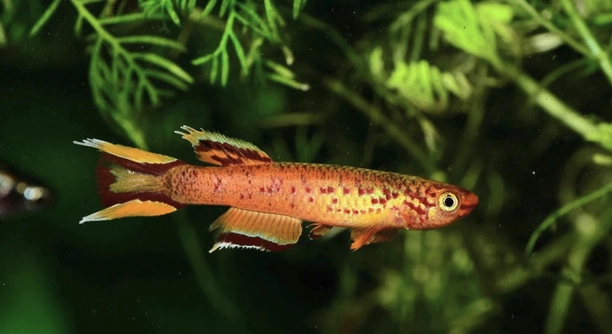
Breeding killifish can be a rewarding hobby for many fish enthusiasts. It requires specific tools to ensure the health and success of the fish. Having the right equipment helps create a stable environment for breeding.
Essential tools for breeding killifish include breeding tanks, spawning mops, water conditioners, fine mesh nets, heaters, air pumps, and appropriate lighting. These items support the fish’s reproductive cycle and promote healthy fry development.
Knowing which tools to use can make breeding easier and more effective. This article will guide you through the basics to help you get started.
Breeding Tanks
Choosing the right breeding tank is essential for a successful killifish spawn. These tanks are usually smaller, around 5 to 10 gallons, which helps control the environment and makes it easier to manage water quality. Clear sides allow you to observe the fish and eggs without disturbing them. It’s important to have a tight-fitting lid to prevent killifish from jumping out, as they are known jumpers. Many breeders use tanks with a sponge filter to maintain gentle water flow and avoid harming delicate eggs and fry. Keeping the temperature stable with a heater set to the species’ preferred range ensures optimal conditions. Proper tank size and setup make it easier to maintain cleanliness and reduce stress on the fish, which directly influences breeding success.
Smaller tanks reduce water changes and make it easier to monitor the fish daily. This control helps catch problems early.
A well-set breeding tank creates a safe and stress-free environment. Proper tank choice, filtration, and temperature control give your killifish the best chance to reproduce successfully. When combined with other essential tools, the breeding tank becomes the foundation of your setup.
Spawning Mops
Spawning mops provide a natural place for killifish to lay their eggs. These mops mimic fine aquatic plants and give the fish a secure surface to attach their eggs. They are easy to make at home using cotton yarn or can be purchased online. The fibers trap the eggs safely, preventing them from drifting away in the water. After spawning, the mop can be removed and placed in a separate container for egg incubation, reducing the risk of eggs being eaten by adult fish. This simple tool improves hatch rates and makes it easier to care for the developing eggs. Regularly changing or cleaning the mop keeps the breeding area sanitary and prevents fungal growth on the eggs. Overall, spawning mops are inexpensive, effective tools to improve breeding outcomes.
Water Conditioners
Water conditioners are essential to remove harmful chemicals like chlorine and chloramine from tap water. Using untreated water can harm killifish eggs and adults. Adding conditioners before introducing water ensures a safer environment for breeding.
Conditioners detoxify the water by neutralizing chlorine and heavy metals that can damage fish gills and eggs. Some products also promote beneficial bacteria growth, which supports a stable biological filter. Regular use helps maintain water quality, especially during frequent water changes needed in breeding tanks. It’s important to follow dosage instructions carefully to avoid overdosing. Conditioning the water consistently improves the survival rate of both adult fish and fry.
Different brands offer conditioners with added minerals or stress reducers, which can support killifish health during breeding. Choosing the right conditioner tailored to your water source can reduce breeding complications. Using water conditioners is a simple but crucial step in creating a suitable habitat for killifish reproduction.
Fine Mesh Nets
Fine mesh nets help safely transfer killifish without injuring them or their delicate eggs. The small holes prevent eggs and tiny fry from escaping or being damaged during handling. Using these nets minimizes stress and physical harm.
Selecting a net with a soft, fine mesh prevents damage to the fish’s fins and scales, which are sensitive during breeding. These nets allow easy separation of adults from eggs or fry, aiding in controlled breeding and rearing. Clean and disinfect nets regularly to avoid spreading diseases. Handling killifish gently with proper nets reduces the risk of stress-related issues that can affect breeding success. Overall, fine mesh nets are practical tools for careful fish management during spawning and raising young.
Heaters
Maintaining a stable temperature is vital for killifish breeding success. Heaters keep water within the ideal range for the species. Sudden temperature changes can stress fish and reduce egg viability.
Choose an adjustable heater with a reliable thermostat. This helps avoid overheating or chilling the water. Consistency in temperature encourages healthy spawning behavior and egg development.
Air Pumps
Air pumps provide gentle oxygenation and water circulation, improving the tank environment. They support biological filtration and keep water fresh without stressing the fish. A steady flow benefits eggs and fry by preventing stagnation.
Appropriate Lighting
Killifish need a balanced light cycle to regulate their breeding habits. Consistent lighting helps mimic natural day and night patterns, encouraging spawning. Avoid harsh or overly bright lights to reduce stress.
What is the best size for a killifish breeding tank?
A breeding tank between 5 to 10 gallons works well for killifish. This size provides enough space for the fish to swim comfortably and for the eggs to develop. Smaller tanks are easier to manage for water quality and temperature stability, which are key to successful breeding.
How often should I change water during breeding?
Frequent water changes are important but should be done carefully. Changing about 20% of the water every few days helps keep ammonia and nitrate levels low. Always use conditioned water at the same temperature to avoid stressing the fish and eggs.
Can I use regular aquarium plants for spawning instead of spawning mops?
Some killifish will use fine-leaved plants like Java moss for spawning, but spawning mops are more reliable. Mops are easier to remove and handle for egg incubation, which helps protect eggs from being eaten or damaged.
How do I know if my killifish are ready to breed?
Mature killifish show vibrant colors and active behavior, especially during breeding season. Males often display brighter hues and court females with specific movements. Healthy, well-fed fish kept under stable conditions are more likely to breed.
What temperature should I keep the breeding tank?
Most killifish breed best between 72°F and 78°F (22°C–26°C). It’s important to research your specific species, as some may have narrower temperature ranges. Use a reliable heater and thermometer to maintain stable temperatures.
How long does it take for killifish eggs to hatch?
Egg hatching time varies by species and temperature but generally takes between 10 to 21 days. Some species’ eggs can enter diapause, a resting stage, and hatch later when conditions improve. Monitoring humidity and temperature during incubation is important.
Can I leave adult killifish with their eggs?
It’s best to remove adults after spawning. Killifish may eat their own eggs if left together. Using spawning mops helps separate eggs easily, protecting them during the incubation period.
What do I feed killifish fry?
Killifish fry need tiny, high-quality food such as infusoria, newly hatched brine shrimp, or specially prepared fry foods. Feeding small amounts several times a day supports healthy growth. Avoid overfeeding to maintain water quality.
How do I prevent fungal infections on killifish eggs?
Good water quality and gentle handling help prevent fungal growth. Some breeders use antifungal treatments like methylene blue in the incubation water. Removing dead eggs promptly also reduces the chance of fungus spreading.
Is it necessary to use an air pump in the breeding tank?
An air pump is helpful for gentle water movement and oxygenation but should not create strong currents. Low flow supports healthy eggs and fry by maintaining water freshness without causing stress or damage.
How important is lighting for killifish breeding?
Consistent lighting that mimics natural day length encourages spawning behavior. Usually, 10 to 12 hours of light per day is sufficient. Avoid strong, direct light to prevent stress, which can affect breeding success.
Can killifish breed in community tanks?
Breeding killifish in community tanks is challenging because other fish may eat the eggs or fry. For better results, use a separate breeding tank where conditions can be controlled and eggs can be protected.
What is the role of water conditioners in breeding?
Water conditioners remove harmful chemicals like chlorine and chloramine, which can kill eggs and harm adults. They also detoxify heavy metals and improve overall water safety, making them essential for breeding setups.
How often should spawning mops be replaced or cleaned?
Spawning mops should be replaced or cleaned every few weeks to prevent buildup of waste and fungus. Clean mops support healthy egg development and reduce the risk of infection. Always handle mops gently to protect attached eggs.
Are heaters necessary for all killifish species?
Not all species need heaters if kept in tropical climates. However, stable temperature control with a heater is recommended in cooler environments or indoors. Temperature fluctuations can harm fish and eggs, so a heater helps maintain consistency.
What is the best way to transport killifish eggs?
Transport eggs attached to spawning mops in a small container with conditioned water. Keep the container stable and at a consistent temperature. Avoid shaking or sudden temperature changes to prevent damage to the eggs.
How can I tell if killifish eggs are fertilized?
Fertilized eggs are usually clear with a visible developing embryo inside. They may have a slight shine or translucence. Unfertilized eggs often turn white or cloudy and should be removed to prevent fungus.
Can I breed killifish without a spawning mop?
It’s possible but less efficient. Killifish may lay eggs on plants, gravel, or tank surfaces, making eggs harder to find and protect. Spawning mops simplify egg collection and improve survival rates by allowing easier removal and incubation.
What common mistakes should be avoided during killifish breeding?
Avoid sudden changes in water temperature, poor water quality, overcrowding, and mixing incompatible species. Overfeeding or underfeeding adults can affect spawning. Also, don’t leave adults with eggs to prevent egg predation.
Is lighting alone enough to trigger spawning?
Lighting helps regulate spawning cycles but should be combined with proper temperature, clean water, and a suitable environment. All these factors together create conditions that encourage killifish to breed successfully.
Breeding killifish requires attention to detail and the right tools. Each piece of equipment plays a key role in creating a healthy and safe environment for both the adults and their eggs. From the breeding tank to water conditioners and spawning mops, every tool helps improve the chances of successful breeding. Understanding the needs of your killifish species and maintaining stable conditions can make a big difference in the outcome. It is important to stay consistent with care and use the tools properly to avoid common problems like stress, poor water quality, or egg loss.
Careful monitoring and gentle handling are also important throughout the breeding process. Keeping the tank clean and changing water regularly prevents harmful substances from building up. Using fine mesh nets and spawning mops helps protect the fish and eggs during transfers and incubation. Maintaining stable temperature with a heater and providing proper lighting encourages natural breeding behavior. Additionally, water conditioners ensure that the water is safe and free from harmful chemicals. Small actions like these add up to create the best possible environment for your killifish to thrive and reproduce.
While it may seem like a lot to manage at first, using these essential tools makes the process more manageable and increases the chance of success. Patience and observation are important, as each species may have slightly different requirements. Paying attention to your fish’s behavior and adjusting the setup as needed will help improve results over time. With the right equipment and care, breeding killifish can be a rewarding and enjoyable activity. The tools discussed here are the foundation for supporting healthy fish and raising strong fry, which is the goal for any breeder.

Hello,
If you enjoy the content that we create, please consider saying a "Thank You!" by leaving a tip.
Every little bit helps us continue crafting quality advice that supports the health, happiness, and well-being of pets around the world, for pets of all shapes, sizes, and species.
We really appreciate the kindness and support that you show us!