
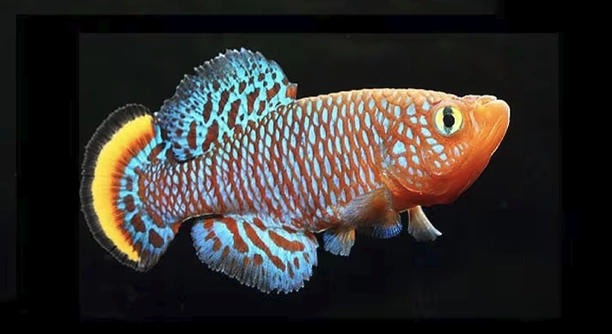
Keeping Killi water clean is essential for the health and well-being of these delicate fish. Maintaining a natural balance in their environment supports their growth and vibrant colors. Proper care ensures a thriving habitat for Killis to flourish.
Natural methods such as regular water changes, the use of live plants, and careful feeding practices help maintain water quality. Additionally, avoiding harmful chemicals and providing proper filtration supports a stable and clean aquatic environment for Killis.
These simple yet effective techniques can help keep your Killi water fresh and healthy for longer. The following tips will guide you through easy ways to care for your aquarium naturally.
Regular Water Changes
Regular water changes are key to keeping Killi water clean and healthy. Removing a portion of the tank water helps dilute waste and toxins that build up over time. It is best to change about 20-30% of the water every week, using water that matches the tank’s temperature and pH. This prevents sudden shocks to the fish. Fresh water replenishes oxygen and removes harmful substances, making the environment safer. Avoid changing too much water at once, as this can disrupt the tank’s natural balance. Consistency in water changes keeps conditions stable and reduces the chance of diseases. Using a siphon or gravel vacuum also helps remove debris from the bottom, which contributes to cleaner water. Keeping a schedule for water changes makes the task easier and ensures the tank stays in good condition. This simple habit supports the overall health and happiness of your Killis.
Regular water changes reduce toxins and improve oxygen levels. They are essential for a balanced, safe environment for Killis to thrive.
Regular water changes keep toxins low and oxygen levels high. They prevent waste buildup and maintain a stable environment. This promotes healthy fish and reduces stress, giving Killis the best chance to live well in your care.
Use of Live Plants
Live plants improve water quality by absorbing nitrates and producing oxygen. They create a natural filtration system that helps keep water clean. Plants also provide hiding places and reduce stress for Killis. Choose plants that thrive in similar water conditions as Killis, such as Java moss or Anubias. They require minimal care and adapt well to different light levels. In addition to cleaning the water, plants enhance the tank’s appearance with natural greenery. They compete with algae for nutrients, helping to prevent algae overgrowth. Adding plants gradually allows you to monitor their growth and impact on water quality. Healthy plants signal a balanced aquarium. Make sure to trim dead or decaying leaves to avoid water contamination. Overall, live plants play an important role in maintaining a healthy, natural environment for your Killis.
Live plants help maintain water quality and provide shelter for Killis. They reduce algae and contribute to a balanced aquarium environment.
Including live plants in your Killi tank improves water conditions and fish comfort. Their natural filtration supports clean water, while their presence makes the aquarium feel more natural and safe for your fish.
Careful Feeding Practices
Overfeeding can quickly pollute Killi water. Feeding small amounts once or twice a day prevents leftover food from decaying and harming water quality. Avoid giving more than they can eat within a few minutes.
Feeding Killis the right amount of food helps reduce waste buildup. Excess food breaks down into harmful substances that affect water cleanliness and fish health. Use high-quality, appropriately sized food to ensure they get the nutrients they need without overfeeding. Observing their eating habits will help you adjust portion sizes and frequency. Keeping feeding consistent and controlled supports a cleaner tank and healthier fish.
Careful feeding also means removing uneaten food promptly. This simple habit keeps the tank from becoming dirty and maintains a balanced environment. Monitoring feeding habits protects your Killis and preserves water quality.
Proper Filtration
A good filtration system is necessary to maintain clean Killi water. Filters remove debris, waste, and harmful chemicals while circulating oxygen throughout the tank. Choose a filter that matches your tank size and water type.
Filters support biological, mechanical, and chemical filtration processes. Biological filtration uses beneficial bacteria to break down toxic ammonia and nitrites into less harmful nitrates. Mechanical filtration traps particles and debris, preventing buildup. Chemical filtration can remove odors and discoloration, depending on the filter media used. Regular filter maintenance is important to keep the system working efficiently. Cleaning filter components gently and replacing media as needed avoids disturbing beneficial bacteria colonies. An effective filtration system combined with regular water changes creates a stable and healthy aquatic environment for Killis. Proper filtration reduces stress and illness, contributing to your fish’s long-term well-being.
Avoid Harmful Chemicals
Avoid using harsh chemicals near the tank. Cleaning agents, pesticides, and fertilizers can contaminate the water and harm Killis. Always wash hands thoroughly before handling the aquarium or its water.
Even small amounts of chemicals can disrupt the delicate balance of your tank. Opt for natural cleaning methods and use aquarium-safe products when necessary. Keeping chemicals away protects both your fish and beneficial bacteria.
Maintain Stable Temperature
Maintaining a stable temperature is crucial for Killi health. Sudden temperature changes stress the fish and affect water quality. Use a reliable heater and thermometer to keep the temperature consistent.
Proper Tank Size
A tank that is too small leads to poor water quality and stressed Killis. Provide enough space for your fish to swim freely and maintain cleaner water.
FAQ
How often should I change the water in my Killi tank?
Water should be changed regularly, about 20-30% every week. This helps remove toxins and keeps the water fresh without shocking the fish. Using water that matches the tank’s temperature and pH is important to avoid stress.
What kind of plants work best in a Killi aquarium?
Plants like Java moss, Anubias, and Hornwort are ideal because they thrive in similar conditions. These plants help absorb waste and provide shelter. They don’t require strong lighting and adapt well to various tank setups.
Can I use tap water for my Killi tank?
Tap water can be used if properly treated. It should be dechlorinated and adjusted for pH to match Killi needs. Using water conditioners removes chlorine and chloramines, which are harmful to fish and beneficial bacteria.
How much should I feed my Killis daily?
Feed small amounts once or twice daily, only what they can eat within a few minutes. Overfeeding leads to waste buildup and poor water quality. Observing their behavior helps determine the right portion size.
Do Killis need a special filter?
A gentle filter suitable for small tanks is best. Strong currents can stress Killis, so choose filters that offer good mechanical and biological filtration without excessive water flow. Regular maintenance keeps filters effective.
How can I prevent algae growth in my tank?
Algae can be controlled by limiting light exposure to about 8-10 hours per day and avoiding overfeeding. Live plants compete with algae for nutrients, which helps reduce its growth naturally. Regular cleaning and water changes also help.
What temperature is ideal for Killis?
Most Killis thrive between 72°F and 78°F (22°C to 26°C). Keeping a steady temperature within this range reduces stress and supports their health. Sudden temperature changes should be avoided to prevent shock.
Is it okay to keep Killis with other fish?
Killis can be kept with peaceful, slow-moving fish that prefer similar water conditions. Avoid aggressive species that may harm or outcompete Killis. Careful selection and monitoring help maintain harmony in the tank.
How do I know if my Killi tank water is clean?
Clear water is a good sign, but testing is more reliable. Use aquarium test kits to check ammonia, nitrite, nitrate, and pH levels. Healthy water should have zero ammonia and nitrites, low nitrates, and stable pH suitable for Killis.
What should I do if my Killis show signs of illness?
Isolate sick fish if possible and check water parameters immediately. Poor water quality often causes illness. Adjust water changes and filtration, and consider appropriate treatments recommended for specific diseases. Prompt action improves recovery chances.
Can I use gravel in a Killi tank?
Yes, gravel is suitable and can trap debris, helping beneficial bacteria grow. It also creates a natural environment. Regular vacuuming of the gravel prevents waste buildup and keeps the tank clean.
How important is lighting for Killis and their tank?
Moderate lighting supports live plants and keeps the tank vibrant. Too much light encourages algae growth. A light cycle of about 8-10 hours per day is usually best to balance plant health and algae control.
Should I add decorations to the Killi tank?
Decorations like driftwood and rocks provide hiding spots and reduce stress for Killis. They help mimic natural habitats. Make sure decorations are aquarium-safe and cleaned before adding them to prevent contamination.
How do I maintain beneficial bacteria in my tank?
Beneficial bacteria grow in filter media, substrate, and surfaces inside the tank. Avoid overcleaning these areas or using strong chemicals. Regular but gentle maintenance supports bacteria that break down harmful substances.
What is the best way to clean the Killi tank?
Perform partial water changes regularly and gently vacuum the substrate. Clean the glass and decorations without soap or harsh cleaners. Rinse filter media in tank water to preserve beneficial bacteria during maintenance.
This FAQ covers common questions to help maintain clean, healthy water for Killis. Following these guidelines creates a stable and comfortable environment for your fish.
Keeping Killi water clean is a key part of caring for these delicate fish. Maintaining good water quality supports their health, reduces stress, and helps them live longer. Simple steps like regular water changes, using live plants, and proper feeding can make a big difference. Each of these actions helps remove waste, balance nutrients, and keep the tank environment stable. When the water is clean and stable, Killis are more active and display their natural colors better. Consistency in care is important, and small daily efforts can add up to a thriving aquarium.
Using natural methods to maintain water cleanliness also benefits the overall aquarium ecosystem. Live plants not only improve water quality by absorbing harmful substances, but they also create a more natural habitat for Killis. This reduces stress and encourages natural behaviors, making the tank more enjoyable to watch. Proper filtration supports these benefits by removing debris and harmful chemicals. It is essential to choose equipment suitable for your tank size and the needs of your fish. Avoiding chemicals and maintaining a steady temperature also play important roles in keeping Killis healthy. These combined methods work together to create a balanced environment.
Taking time to learn and apply these natural care practices will pay off with a cleaner, healthier tank. Your Killis will thrive in an environment that mimics their natural habitat. By following simple routines such as careful feeding and gentle cleaning, you help prevent problems before they start. The goal is to provide stable water conditions that promote the well-being of your fish. This careful attention allows you to enjoy the beauty and uniqueness of Killis, knowing they are safe and comfortable. Natural care techniques are not only effective but also easy to maintain, making them a great choice for every Killi keeper.

Hello,
If you enjoy the content that we create, please consider saying a "Thank You!" by leaving a tip.
Every little bit helps us continue crafting quality advice that supports the health, happiness, and well-being of pets around the world, for pets of all shapes, sizes, and species.
We really appreciate the kindness and support that you show us!