
Sexing killifish is an important step for breeders and hobbyists wanting healthy, stress-free fish. Knowing how to identify males and females carefully can make the process smoother and safer for the fish. Proper handling helps keep killifish calm and healthy.
To sex killifish without stressing them, handle them gently using a soft net or a clear container, avoid sudden movements, and keep water conditions stable. Observing color and fin differences calmly helps reduce stress during identification.
Learning simple techniques can improve your killifish experience and ensure their wellbeing during sexing. This article will guide you through easy, stress-free methods to help both you and your fish.
Preparing Your Tank and Equipment
Before you start sexing killifish, it’s important to prepare the tank and equipment properly. Make sure the water temperature and quality are stable, as sudden changes can stress the fish. Use a soft, fine mesh net to handle them gently. Having a clear container can also help you observe the fish without too much handling. Dim lighting or indirect light can reduce the fish’s anxiety and make colors easier to see. Avoid overcrowding by working with only a few fish at a time. Clean hands and tools are essential to prevent introducing contaminants. Taking these steps creates a calm environment, which helps keep your killifish healthy during the sexing process. This preparation reduces the risk of injury and stress, making it easier to identify males and females confidently.
A calm environment with proper tools is key to stress-free sexing. Preparing your tank and gear well helps keep killifish safe and relaxed.
Keeping water stable and handling fish gently ensures they stay comfortable. This prevents stress-related health issues and improves your chances of accurate sexing. It also builds your confidence, making future sessions easier and less stressful.
Recognizing Male and Female Killifish
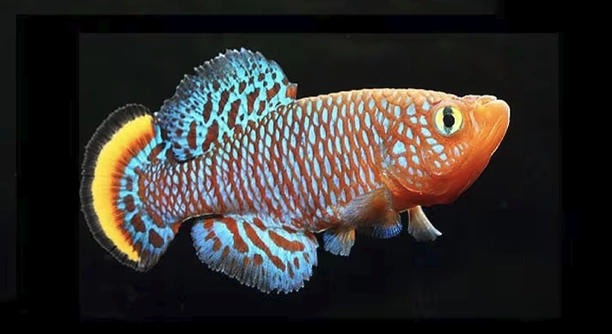
Male and female killifish show distinct differences, especially in color and fin shape. Males usually have brighter colors and longer fins, while females tend to have duller hues and rounder bodies. Observing these traits carefully without rushing is important. Avoid forcing the fish into positions; let them swim naturally to spot differences. Some species show more obvious sexual dimorphism, but others may require closer inspection. Look for small size differences and behavior, as males often display more active, territorial actions. Identifying sex with patience helps reduce stress and keeps your fish calm. Keep in mind lighting and tank conditions can affect color visibility. Taking your time ensures you don’t mistake stress colors for natural markings.
Recognizing these signs correctly helps in breeding and care decisions. It supports a healthier environment and prevents unnecessary handling stress.
Being able to spot males and females confidently means fewer stressful captures. This knowledge also helps when pairing fish for breeding, ensuring compatibility and reducing aggression risks. You can maintain a more peaceful tank by separating sexes when needed. Over time, this skill makes maintaining your killifish easier and more enjoyable.
Handling Killifish Safely
Use gentle movements when catching killifish to avoid sudden stress. A soft net and calm hands make a big difference in how the fish react.
Avoid squeezing or holding the fish too tightly. Support them carefully in your hand or container. Quick, smooth actions reduce the time fish spend out of water, minimizing stress. Keep the fish low over a soft surface to prevent injury if they jump.
Try to limit handling sessions to a few minutes. Return fish promptly to their tank once sexing is done. If possible, use a clear container to observe rather than frequent netting. Keeping the fish calm during handling improves their overall health and recovery.
Timing and Conditions for Sexing
Sex killifish during the day when they are most active. Bright but indirect lighting helps reveal colors clearly without causing stress.
Water temperature should be stable and near the fish’s normal living conditions. Avoid sexing right after feeding or during water changes, as these are stressful times. Calm water and quiet surroundings improve your chances of a smooth sexing process. Using a calm approach reduces the risk of aggressive behavior or hiding. Being mindful of timing and conditions supports the fish’s wellbeing and makes sex identification easier and more accurate.
Observing Behavior Differences
Males are usually more active and may flare fins to show dominance. Females tend to swim calmly and stay near plants or hiding spots.
Watching fish over time helps spot these behavior patterns without stressing them. Patience is key for accurate observation.
Using Visual Cues for Sexing
Look closely at fin shape and color brightness. Males often have longer, more elaborate fins and vivid colors, while females are less colorful with shorter fins. Body shape also helps—males are slimmer, females rounder, especially when carrying eggs. Lighting affects color visibility, so use soft, consistent light for best results. Avoid rushing; multiple observations improve accuracy. Combining these visual signs with behavior gives a clearer picture of each fish’s sex.
Avoiding Common Stress Triggers
Keep noise and movement around the tank to a minimum. Sudden disturbances can make killifish hide or panic quickly.
How do I know if my killifish is male or female?
Males usually have brighter colors and longer fins, while females appear duller with shorter fins. Males are often slimmer, and females look rounder, especially when carrying eggs. Behavior can help too—males tend to be more active and territorial, while females stay calmer and hide more often. Observing the fish over time in good lighting will help you identify their sex more accurately.
Can I sex killifish without taking them out of the water?
Yes, you can observe killifish in the tank to reduce stress. Look closely at their fins, colors, and behavior through the glass. Using a clear container to isolate one fish gently can help with detailed observation without removing them completely from the water. This method limits handling and helps keep the fish calm.
What is the best time to sex killifish?
Sex killifish during the day when they are most active. Choose a calm time after feeding and water changes, as fish tend to be less stressed then. Good lighting helps you see colors clearly, but avoid direct harsh light to keep the fish comfortable.
How do I handle killifish without stressing them?
Use a soft net and move slowly. Support the fish gently, avoiding squeezing or rough handling. Keep the fish low to avoid injury if they jump. Limit time outside the water to just a few minutes. Return them to their tank quickly and calmly after sexing.
What signs show killifish stress during sexing?
Signs include rapid gill movement, hiding, clamped fins, or frantic swimming. If you notice these, stop handling and give the fish time to recover in a quiet, stable environment. Reducing handling time and improving tank conditions can help prevent stress.
Can lighting affect how I see the fish’s colors?
Yes, lighting plays a big role. Soft, indirect light shows colors more naturally and helps avoid stressing the fish. Harsh or bright light can cause the fish to hide or change color temporarily, making sexing less accurate.
Is it necessary to separate males and females after sexing?
Separating males and females can reduce aggression and stress, especially in breeding tanks. Males can be territorial and aggressive towards each other. Keeping them apart helps maintain peace and better health for your fish.
What if I can’t tell the sex right away?
Some killifish species have subtle differences. If you’re unsure, observe the fish over several days without frequent handling. Watch for behavior, fin shape, and color changes. Patience will improve your ability to identify sex accurately.
Are there tools that can help with sexing killifish?
Using a clear observation container or a small breeding tank can help isolate fish gently. A soft net is essential to reduce injury. Good lighting and a calm setting also act as indirect tools by making fish easier to see and less stressed.
Can stress affect breeding success?
Yes, stress can reduce breeding willingness and egg production. Keeping fish calm during sexing and maintaining good water quality supports better breeding results. Minimizing handling and avoiding sudden changes are key to healthy breeding behavior.
Sexing killifish without causing them stress is an important part of caring for these delicate fish. Handling them gently and paying close attention to their environment can make the process much easier and safer for the fish. When you prepare the tank properly, keep the water conditions stable, and use soft nets or clear containers, you reduce the chance of stressing your killifish. This helps them stay healthy and calm, which is good for both the fish and you. Taking your time and observing the fish calmly also means you can tell males and females apart more accurately.
Watching the behavior and physical traits of your killifish over time is a useful way to learn how to sex them properly. Males and females often show differences in color, fin shape, and activity levels. Males tend to be more colorful and active, while females usually have duller colors and swim more cautiously. Sometimes these differences are small and require patience to spot. Avoid rushing the process or handling the fish too much, as this can cause unnecessary stress. Keeping your observations gentle and consistent helps the fish stay comfortable and reduces the chance of mistakes.
Overall, being calm and careful when sexing killifish benefits everyone involved. The fish remain healthier and less stressed, which supports their long-term wellbeing. You gain confidence in identifying the sexes correctly and can better care for your killifish. With time and practice, this process becomes easier and more natural. Remember, providing a calm environment, using the right tools, and paying attention to details are the best ways to sex killifish without causing them harm. Taking these steps ensures your fish have the best chance at a happy and healthy life.

Hello,
If you enjoy the content that we create, please consider saying a "Thank You!" by leaving a tip.
Every little bit helps us continue crafting quality advice that supports the health, happiness, and well-being of pets around the world, for pets of all shapes, sizes, and species.
We really appreciate the kindness and support that you show us!