
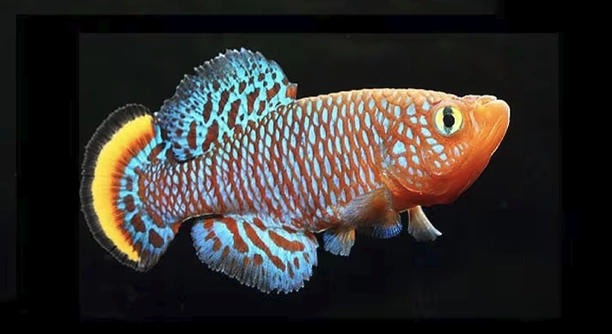
Have you ever set up a breeding mop for your killifish, only to find they completely ignore it day after day?
The most common reason your killi breeding mop is being ignored is due to unsuitable environmental conditions. Factors such as incorrect lighting, temperature, or water parameters can discourage breeding behavior and reduce interest in the mop.
Learning what truly encourages spawning will help you adjust their setup more effectively and create a better breeding environment for your fish.
Common Reasons Your Killifish Ignore the Breeding Mop
Killifish can be particular about where they lay their eggs. If the breeding mop is ignored, it’s often because something in the environment feels off to them. A mop that is too clean, too new, or placed incorrectly may not feel natural. Lighting also plays a role. Killifish need a consistent light cycle to stimulate spawning behavior. The water temperature should match their specific needs, usually around 72–75°F for most species. If the temperature is too cold or too warm, they may not be in the mood to breed. Also, poor water quality, even if not visibly dirty, can be enough to discourage spawning. Stress from tank mates or sudden changes in the tank can also be a factor. When conditions aren’t quite right, the fish will ignore even a perfectly made mop. They need to feel calm and ready, both physically and behaviorally, before anything happens.
Some species prefer to spawn at certain times of day, which may not line up with when you’re observing them.
It also helps to understand the type of mop you’re using. Floating mops suit surface spawners, while sinking mops are better for bottom spawners. If the type doesn’t match the species, they’ll ignore it. Pay attention to their natural behavior in the tank. Are they exploring, showing color, or chasing each other? If not, they may simply not be ready. Sometimes, giving them a few extra days with good food, stable conditions, and minimal disruption is all it takes. Feeding them live or frozen food can also help trigger the right behavior. A peaceful, stable tank paired with the right kind of mop makes a big difference. Keep observing and adjusting gently. It’s not always instant, but small changes often lead to success.
Things You Can Do to Encourage Breeding
Try feeding live or frozen foods daily for a few days. This often helps spark breeding behavior in otherwise disinterested killifish.
Adding plants or hiding spots around the breeding mop can make the area feel safer and more appealing. Killifish often prefer some level of cover when spawning. Make sure the mop looks natural, too—some fish avoid synthetic materials if they don’t resemble what they’d use in the wild. Consider using darker yarn or placing the mop near a shaded area of the tank. Maintain a regular light cycle and keep tank noise or movement to a minimum. Daily water changes, even small ones, can also refresh the tank and mimic rainy season changes, which many killifish associate with breeding time. Lastly, try separating males and females for a few days, then reintroducing them. This can reset their interest and encourage spawning. Patience, small adjustments, and careful observation often lead to better results without stressing your fish.
Other Factors That Might Be Affecting Spawning
If your killifish are young or recently introduced to the tank, they may need more time to adjust before they start breeding. Stress from shipping or new surroundings can delay spawning behavior even in otherwise healthy fish.
Tank mates can also affect breeding behavior. If there are other fish in the tank—especially active or aggressive ones—your killifish may not feel secure enough to use the mop. Even peaceful species can create too much movement, making the killifish hesitant to lay eggs. Sometimes, even having too many killifish in one tank can lead to social stress. Overcrowding may cause dominant fish to chase others away from the mop or prevent females from relaxing enough to spawn. Providing more space, plants, and visual barriers can help them feel safer and more confident. A quiet, well-spaced tank setup usually leads to better breeding results.
Water flow might also be interfering with your fish’s comfort. A strong current can make it hard for them to rest or feel safe near the mop. Many killifish prefer slow-moving water or even still water when spawning. If your filter is creating too much flow, try using a sponge filter or redirecting the outflow to reduce disturbance. Soft lighting can also help. Bright lights might make them feel exposed, so consider lowering the intensity or using floating plants for shade. Check ammonia and nitrite levels often—trace amounts can still affect behavior. If everything else seems fine but there’s still no interest in the mop, it might just be a matter of timing. Some pairs take longer to bond or get comfortable enough to start spawning.
How to Tell If They’re Getting Close to Breeding
If the male is flaring his fins, following the female closely, or displaying brighter colors, these are usually signs breeding may happen soon. The female may begin inspecting the mop or hiding nearby more often.
You might also notice subtle chasing or circling behavior. These are natural parts of courtship. The male may gently nudge the female toward the mop or hover around it waiting for her. If she swims through it or lingers nearby, it usually means she’s at least somewhat interested. This is a good time to limit disturbances. Avoid feeding or doing water changes during this stage unless necessary. Once you notice eggs in the mop, remove it promptly and place it in a separate container to protect the eggs from being eaten. A gentle air stone in the egg container can help prevent fungus while the eggs develop. Keep the mop moist if you’re using the dry incubation method.
When to Replace or Adjust the Breeding Mop
If the mop has been in the tank for over a week with no signs of interest, it might help to replace it. Sometimes a new texture, color, or placement is all it takes to spark curiosity.
Make sure the yarn isn’t too thick or stiff. Softer, thinner strands often work better. Place the mop near plants or shaded areas where the fish already feel safe. Moving it gently during water changes can also encourage them to investigate it again.
What to Do After You See Eggs
Once you spot eggs in the mop, it’s best to remove it within a few hours. Leave it in too long, and the parents may eat the eggs. Gently transfer the mop to a separate container with aged water and mild aeration. Check the mop daily for fungus or spoiled eggs. Remove any white or fuzzy ones using tweezers. Depending on the species and water temperature, eggs may hatch in a few days to a few weeks. Keep the container stable and quiet. After hatching, prepare infusoria or baby brine shrimp for the fry. The first few days are delicate, so limit any sudden changes.
What to Avoid Doing
Avoid overcrowding the tank, moving the mop too often, or changing too many things at once. Too much interference can disrupt breeding behavior.
FAQ
How long does it usually take for killifish to start using a breeding mop?
It can take anywhere from a few days to a couple of weeks. If the fish are comfortable, well-fed, and conditions are right, they may start spawning within just a few days of introducing the mop. However, if they were recently moved, are still adjusting, or if environmental factors aren’t ideal, it may take longer. Patience is key, especially with shy or newly paired fish. Keep the setup consistent, avoid unnecessary stress, and give them time to settle into a routine before expecting results.
What type of yarn should I use for a killifish breeding mop?
Use 100% acrylic yarn. Natural fibers like cotton or wool can rot in water and create issues with water quality. Acrylic is durable, holds its shape well, and doesn’t break down easily in water. Choose dark colors like green or brown to mimic plant material. Avoid yarns with metallic threads or glitter, as these can leach harmful substances into the water. Also, make sure to rinse the mop before placing it in the tank to remove any dust or chemicals from the yarn.
Should the breeding mop float or sink?
That depends on the species. Some killifish are surface spawners, and they prefer floating mops. Others, especially bottom-spawning types, will ignore a floating mop and look for one that sinks. Research your specific species to know what they prefer. If unsure, try offering both types in the same tank. Place the floating mop near calm surface areas and the sinking one near cover or shaded parts of the tank. Watch where the fish naturally gravitate, and adjust accordingly.
Can I leave the eggs in the main tank with the parents?
It’s not recommended. Most killifish will eat their own eggs if given the chance. Even if the mop is placed in a quiet corner, curious parents often return and pick at it. Once you notice eggs, it’s best to remove the mop and place it in a separate container for incubation. This gives the eggs a better chance to develop without being disturbed. A small plastic container with aged water, gentle aeration, and a lid works well for this purpose.
How often should I check the breeding mop for eggs?
Once or twice a day is enough. Morning and evening checks usually work best since many killifish spawn in the early part of the day. Be gentle when handling the mop. Avoid squeezing or pulling at it too much, as this can damage the eggs. Shine a light behind the strands to spot tiny clear or amber-colored eggs. If you notice any fungus, remove those eggs immediately to stop it from spreading to healthy ones.
Can two males be kept together in a breeding tank?
It depends on the species and tank size. Some males get along fine if there’s enough space, cover, and more than one female to interact with. Others may fight constantly, especially in small or bare tanks. If aggression becomes an issue—chasing, fin-nipping, or stress—you’ll need to separate them. For breeding purposes, it’s often best to keep one male with one or two females in a calm, well-decorated tank. This reduces stress and increases your chances of successful spawning.
Why are my killifish not showing any interest in each other?
This could be due to poor water conditions, stress, or simply not being ready. Make sure water parameters—pH, temperature, hardness—are suitable for your specific killifish. Feed live or frozen foods daily to improve conditioning. Also, some pairs take time to form a bond. If you’ve had them for less than a week, give them more time. If after two weeks there’s still no interaction, you might try a different pairing or separate them temporarily, then reintroduce them later.
How do I prevent fungus from spreading on killifish eggs?
Keep the incubation container clean and the water well-aerated. Fungus spreads quickly, especially in warm, stagnant water. Remove any eggs that turn white or fuzzy. You can also use a few drops of methylene blue in the container to help prevent fungus, though some breeders prefer to avoid additives. Daily observation and gentle water changes (using aged or treated water) help keep things clean. If you’re using peat moss for incubation, keep it moist but not soaking wet and avoid letting mold grow in the container.
Final Thoughts
Breeding killifish can be a calm and rewarding part of fishkeeping, but it does require patience. If your breeding mop is being ignored, it’s usually because something in the setup isn’t quite right. It could be the water temperature, lighting, water quality, or even the placement of the mop itself. Small things like strong water flow or the wrong type of mop can make a big difference. It’s not always easy to figure out the exact reason, but watching your fish closely over time can give you helpful clues. If they seem active and healthy but still don’t use the mop, give it time and continue to keep their environment stable and peaceful.
Feeding plays a bigger role than many people think. Live or frozen foods not only help improve your fish’s health, but they also trigger natural breeding behavior. If your fish are well-fed and conditions are right, they’ll eventually start showing interest in the mop. Make sure you’re using the correct mop for your species—floating for surface spawners and sinking for bottom spawners. Also, clean and replace the mop if it’s been in the tank too long without activity. A fresh mop can sometimes make the difference. Keep your setup quiet and avoid sudden changes. The more stable the environment, the more likely your killifish will feel safe enough to spawn.
There’s no one perfect answer that works for every tank or every species. That’s why observation is so important. Watch how your fish behave around the mop, each other, and the rest of the tank. These small behaviors can help you know when they’re getting close to breeding or when something still needs adjusting. If you’re new to breeding killifish, don’t worry if things don’t happen right away. Many experienced breeders had slow starts too. What matters is staying consistent, learning from what you see, and making calm, gradual changes when needed. Over time, you’ll start to notice patterns that make things easier. With a bit of patience and care, that ignored breeding mop may soon become the place where the next generation of your fish begins.

Hello,
If you enjoy the content that we create, please consider saying a "Thank You!" by leaving a tip.
Every little bit helps us continue crafting quality advice that supports the health, happiness, and well-being of pets around the world, for pets of all shapes, sizes, and species.
We really appreciate the kindness and support that you show us!