
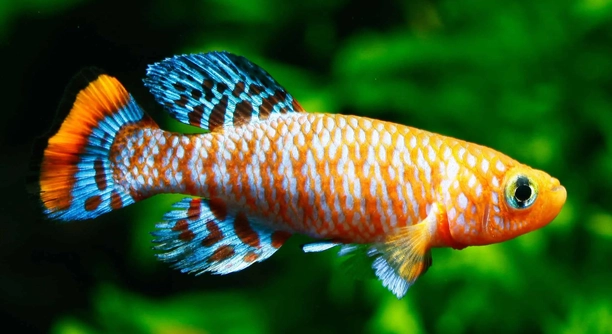
Do your killifish fry often fail to survive, or do your breeding attempts feel more frustrating than rewarding despite your best efforts?
The most common breeding mistakes with killifish include poor water conditions, mismatched pairs, overcrowding, and improper feeding. Avoiding these issues is essential for healthy fry development, successful hatching rates, and maintaining adult fish health in your breeding tank.
Learning what to avoid will help create a safer, healthier environment for your killifish and increase your chances of a successful breeding experience.
Using the Wrong Water Parameters
Killifish are sensitive to water quality, and even small imbalances can affect breeding success. Many species require soft, slightly acidic water to thrive. If the pH, hardness, or temperature is off, your breeding pair may become stressed, stop spawning, or produce weak eggs. Tap water often needs conditioning before use, as it may contain chlorine or be too hard for killifish. It’s important to use a reliable water testing kit regularly and adjust conditions slowly and carefully. Stable water temperature—usually between 72°F and 75°F—is also key, especially during spawning and egg development. Fluctuations can harm eggs or discourage breeding behavior entirely.
Water changes help, but sudden shifts can shock the fish. Always match temperature and pH during each change to avoid disruptions.
Sticking to the ideal water parameters ensures your killifish remain active, healthy, and more willing to breed successfully without unnecessary stress or risks.
Ignoring Compatibility Between Pairs
Not all killifish get along, even within the same species. Poor pair compatibility can lead to aggression, stress, and breeding failure.
Aggressive males may constantly chase or injure females, especially if there aren’t enough hiding spots. This often happens when males are overly dominant or the tank size is too small. To reduce stress, start with one male and multiple females, if the species allows. Observe interactions carefully and remove any fish that appears overly aggressive or withdrawn. Also, some killifish need time to bond or may never pair well with a particular mate. Swapping partners sometimes leads to better results.
If a pair isn’t producing eggs or the female seems uninterested, it’s not always a health issue—compatibility matters just as much. Try separating them temporarily or introducing a new match. When the right pair is formed, you’ll notice increased activity, egg laying, and less stress. Balanced behavior between fish makes a major difference in breeding results.
Overcrowding the Breeding Tank
Too many fish in a breeding tank creates stress and lowers your chances of success. Overcrowding leads to aggression, poor water quality, and competition for food and space—especially harmful for fragile fry and egg-laying females.
Breeding tanks should be simple and spacious, with enough room for fish to move freely without constant interaction. A single pair or trio is best for most species. Using a separate spawning container or tank reduces pressure and keeps eggs safe from being eaten. Crowded tanks often result in more aggression and lower fertility rates. You might also notice poor fry survival due to increased waste and oxygen depletion. A sponge filter and frequent water changes help, but proper stocking levels make the biggest difference. Less stress means better spawning behavior, healthier eggs, and more consistent breeding results.
Space is also key after hatching. Fry grow unevenly, and too many in one space can lead to cannibalism or stunted growth.
Failing to Provide Proper Spawning Surfaces
Killifish need specific surfaces to lay eggs, and skipping this step often leads to missed spawns or eaten eggs. Different species prefer different spawning setups, so it’s important to know what works for your fish.
Mop-spawning killifish, like Aphyosemion, do well with floating or sinking yarn mops. Peat-spawning species, like Nothobranchius, need a container filled with damp peat moss where they can bury their eggs. Without these, females may drop eggs on bare surfaces where they get eaten or go unnoticed. Clean and inspect these materials regularly to avoid fungus and bacteria. Artificial plants can work in a pinch, but they’re not always effective. The right spawning surface encourages natural behavior and helps you collect eggs safely without disturbing the fish too much. Keeping things clean, simple, and accessible makes collecting and hatching much easier.
Inconsistent Feeding Routine
Feeding killifish irregularly affects both their health and breeding success. High-quality live or frozen foods like brine shrimp and daphnia should be offered consistently. Poor or erratic feeding often leads to low energy, poor egg quality, and weak fry.
Breeding adults need strong conditioning through regular, protein-rich meals. Skipping feedings or offering low-nutrient foods weakens their immune systems and lowers their spawning activity. Keeping a routine supports both egg production and recovery after spawning.
Mishandling the Eggs
Killifish eggs are delicate and should be handled with care. Rough handling, dirty tools, or sudden changes in temperature can damage them. Always use clean tweezers or your fingers, and avoid moving them more than necessary.
Skipping Fry Separation
Older fry will eat younger ones if kept together too long. Separating them by size improves survival and prevents bullying or cannibalism.
FAQ
What is the best water temperature for breeding killifish?
Most killifish breed best between 72°F and 75°F (22°C to 24°C). Keeping the temperature steady within this range encourages spawning and healthy egg development. Sudden temperature changes can cause stress, reduce egg viability, or stop breeding altogether. Use a reliable aquarium heater and thermometer to maintain consistent warmth.
How often should I change water during breeding?
Frequent water changes are important to keep conditions clean, but changes should be small and gradual—about 10-20% every few days. Large or sudden water replacements can shock both adults and eggs. Matching the temperature and pH of new water with the tank water helps reduce stress and keeps the fish comfortable.
Can killifish breed in tap water?
Tap water often contains chlorine and minerals that can harm killifish eggs and adults. Using a water conditioner to remove chlorine and adjusting hardness or pH is necessary. Many killifish species need soft, slightly acidic water, which tap water rarely provides without treatment. Testing and conditioning your water properly increases breeding success.
How do I know if my killifish are compatible?
Compatible pairs show balanced behavior without constant chasing or aggression. The female should appear relaxed and actively accept the male’s courtship. If the female hides excessively or looks stressed, the pair might not be a good match. Sometimes switching partners or adding more females reduces stress and improves breeding outcomes.
What spawning surfaces work best for killifish?
Different killifish have varied preferences. Mop spawning species need floating yarn or mop bundles to lay eggs on. Peat spawning species prefer damp peat moss where they bury eggs. Providing the right surface encourages natural spawning and helps protect eggs from being eaten. Artificial plants can sometimes be used but may not be as effective.
How long does it take for killifish eggs to hatch?
Hatching time depends on species and water temperature but generally ranges from 10 to 21 days. Warmer water speeds up development, while cooler temperatures slow it down. Eggs need to stay clean and free from fungus to hatch successfully. Regular monitoring is key to knowing when fry will appear.
What should I feed killifish fry?
Newly hatched fry need tiny live foods such as newly hatched brine shrimp or infusoria. These small foods provide essential nutrients and encourage growth. As fry grow, gradually introduce larger live or frozen foods like daphnia or microworms. Avoid dry foods until fry are large enough to eat them safely.
How do I prevent fry from being eaten?
Separating eggs from adults or moving eggs to a hatching tank protects them from being eaten. After hatching, transfer fry to a separate tank or breeding box. Older fry may cannibalize younger ones, so separate by size to reduce losses. Providing plenty of hiding spots and gentle filtration also helps.
Can I breed multiple pairs in one tank?
Breeding multiple pairs together often causes stress and aggression. It’s better to use separate tanks or spawning containers for each pair. Overcrowding reduces egg survival and increases competition for food. If space is limited, carefully monitor behavior and be ready to separate aggressive fish quickly.
Why are my killifish eggs turning white or fungus-covered?
White or fungus-covered eggs usually indicate poor water quality or insufficient oxygen flow. Removing fungus quickly with safe antifungal treatments or methylene blue helps save eggs. Prevent this by keeping the water clean, avoiding overcrowding, and ensuring proper filtration and gentle aeration during incubation.
These answers cover the main challenges and common questions about breeding killifish, helping you avoid problems and improve success rates.
Breeding killifish can be a rewarding experience, but it requires careful attention to detail and patience. Understanding the common mistakes to avoid makes a big difference in achieving success. From maintaining the right water parameters to selecting compatible pairs and providing proper spawning surfaces, each step plays an important role. The health of both adults and fry depends on creating a stable, low-stress environment. Small changes in care can lead to better egg quality and higher survival rates. Consistency is key when it comes to feeding, cleaning, and monitoring water conditions.
It’s important to keep the breeding tank simple and avoid overcrowding. Too many fish in a small space cause stress, aggression, and poor water quality. Separating eggs or fry from adults prevents accidental eating or bullying, which often reduces fry survival. Handling eggs carefully and keeping the spawning surfaces clean helps prevent fungus and increases hatch rates. Knowing what your killifish species need—whether it is peat moss, yarn mops, or specific water conditions—improves the chance of successful spawning. Observing behavior closely helps you recognize if a pair is compatible or if changes need to be made.
Overall, patience and observation go hand in hand. Breeding killifish is not always quick or easy, but avoiding common errors sets a solid foundation. Every fish and species has its own needs, and adapting your care accordingly will yield better results. Remember to keep conditions stable and provide a calm environment for your killifish. With time and effort, breeding can become a steady, enjoyable part of your fishkeeping routine.

Hello,
If you enjoy the content that we create, please consider saying a "Thank You!" by leaving a tip.
Every little bit helps us continue crafting quality advice that supports the health, happiness, and well-being of pets around the world, for pets of all shapes, sizes, and species.
We really appreciate the kindness and support that you show us!