
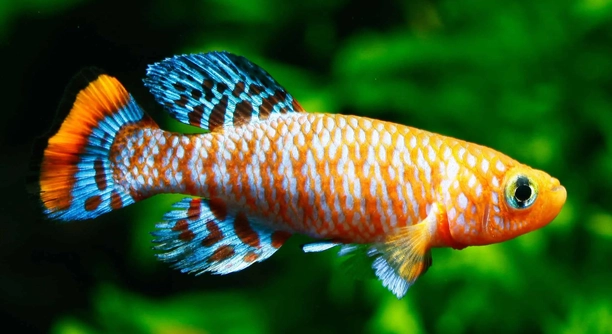
Are your killifish swimming alone in their tank, or are you considering adding more for company and enrichment? Their social behavior can shape their overall health, interactions, and even how long they live in captivity.
Most killifish do best when kept in pairs or small groups, depending on the species. Males can become territorial, so proper ratios and tank setups help reduce aggression and ensure a more peaceful, stable environment for all fish.
Understanding the specific needs of your killifish can help you create a healthy and stress-free habitat that supports their natural behavior.
Choosing Between Pairs or Groups
Keeping killifish in pairs or groups depends on the species and tank conditions. Many hobbyists choose pairs, especially when breeding is the goal. A male and female can coexist peacefully in a well-planted tank with hiding spots. However, some species thrive better in groups, especially those that are less aggressive or more social. Group setups require careful attention to the male-to-female ratio—typically, one male for every two or three females helps minimize aggression. Always research your specific species. Some, like Aphyosemion, are more peaceful, while others, like Nothobranchius, may not tolerate tank mates well.
Pairs are often easier to manage and breed, making them ideal for beginners or those with limited space.
When housing groups, tank size becomes more important. A larger tank with visual barriers reduces stress and aggression. Floating plants, leaf litter, or décor can break sightlines. This setup allows more natural interactions and mimics their wild environment.
Tank Setup and Behavior
Killifish behavior is closely tied to their tank environment.
A proper setup can help prevent conflict. Killifish prefer soft lighting, stable water conditions, and densely planted areas. Males often display vibrant colors to impress females, and having enough space prevents them from constantly chasing each other. Frequent chasing causes stress, especially in small tanks.
For group setups, add horizontal swimming space and cover. This gives shy individuals room to retreat. While some species do well in community tanks, others should be kept in species-only tanks. Monitor your fish for signs of stress, such as fin damage, hiding, or refusal to eat. Introduce new fish slowly and rearrange tank elements to avoid territorial behavior. Regular water changes and stable parameters support their health. Keeping killifish in suitable conditions doesn’t just prevent problems—it also brings out their most natural colors and behaviors, allowing you to observe their full range of interactions.
Managing Aggression in Groups
Male killifish can become territorial, especially in confined spaces. When kept in groups, aggression may increase if the tank lacks hiding places or if males outnumber females. Proper tank layout and balanced ratios help reduce tension and create a calmer atmosphere.
In group settings, always aim for more females than males. This prevents one female from being overwhelmed by constant attention. Provide dense plant cover, caves, or floating plants to give each fish its own space. A well-decorated tank breaks the line of sight and lowers stress levels. Rearranging tank decor before introducing new fish can also help reduce aggression. Some species tolerate groups better than others, so observing your fish daily is important. Look for torn fins or changes in behavior. If needed, separate aggressive males or use a tank divider. Peaceful interactions are a good sign that your setup is working well.
Avoid placing dominant males together without enough space or cover. In a cramped environment, even typically peaceful species may become aggressive. A long, shallow tank with visual breaks works better than a tall one. Monitor feeding times to prevent food competition. Distribute food evenly and use sinking pellets to reduce surface tension. Calm group dynamics lead to healthier and more active fish.
Pairing Killifish for Breeding
Pairing killifish can be more predictable than managing groups.
When breeding, one male and one female is the most common setup. This arrangement limits distractions and gives you better control over egg collection and behavior. Provide a spawning mop or fine-leaf plants to encourage egg-laying. Remove the eggs or parents depending on the species’ tendency to eat them. Breeding pairs should be well-fed, with a high-protein diet that supports reproductive health. Soft water, stable temperature, and a calm environment improve breeding results. Observe the pair closely—if the male harasses the female constantly, separate them and try again later.
Some killifish species require seasonal setups, mimicking dry and wet cycles for breeding. Others spawn regularly in the right environment. After breeding, remove the pair or the eggs to avoid losses. Maintain clean water and good filtration, but avoid strong currents. You can rotate pairs to increase genetic variety. Label each spawn if you’re keeping track of different lines. Breeding pairs allow more control, but always give both fish room to retreat and rest between spawning attempts. A calm, steady setup helps prevent stress and boosts long-term health.
Signs Your Setup Isn’t Working
Watch for torn fins, constant chasing, or fish hiding all the time. These signs often mean your tank is too crowded, unbalanced, or lacking cover. Quick changes can reduce stress and prevent injuries from getting worse.
If a fish stops eating or isolates itself, something is off. Check your male-to-female ratio, tank layout, and water parameters. Rearranging decor or moving aggressive fish can make a big difference.
Species That Prefer Groups
Some killifish species, like Epiplatys and Aphyosemion, are more peaceful and can live in small groups. These fish often do well in heavily planted tanks with plenty of space and hiding spots. Avoid placing multiple males from aggressive species together, especially in tanks under 20 gallons. Peaceful species enjoy the interaction and display fewer territorial behaviors in stable setups. Even in groups, a proper male-to-female ratio matters. Keep stress levels low with routine care and consistent feeding. Not every species thrives in a group, so knowing your fish’s behavior before setting up your tank will help you avoid issues later on.
Monitoring Behavior Regularly
Paying attention to how your fish act each day helps you notice changes early. Quick action keeps the tank peaceful and healthy.
FAQ
Can killifish live alone?
Yes, some killifish can live alone, especially if they are more aggressive or territorial by nature. Males, in particular, often do better alone if space or tank mates are limited. However, solitary setups may reduce natural behavior and color display. For more active and social interaction, pairing or keeping a group is often preferred, depending on the species. If you choose to keep a killifish alone, be sure the tank still offers hiding places, enrichment, and stable water conditions to support its health and well-being.
How many killifish can I keep together?
This depends on your tank size and the species. In a 10-gallon tank, a pair or a trio (one male, two females) is typically the maximum. For peaceful species and larger tanks, small groups can work well—usually one male per two or three females. Avoid housing multiple males in small tanks, as this leads to fights and stress. In larger tanks with lots of plants and hiding spots, more males may be kept together, but they should still be observed for aggression.
Do female killifish fight each other?
Female killifish are generally less aggressive than males and usually coexist without major conflict. However, they can still show dominance behaviors like chasing or mild nipping, especially in tight spaces or under stress. If you see frequent fighting, consider increasing hiding places or spreading out the group across a larger tank. Keeping females in odd numbers can also reduce tension.
Is it better to keep killifish in a species-only tank?
For many species, yes. Killifish are often shy or easily stressed by more active tank mates. A species-only tank allows them to feel secure and behave naturally. It also simplifies care and feeding. While some peaceful community setups work, you must avoid aggressive or fast-swimming fish that compete for food or space. Always match temperament, size, and water needs when considering tank mates.
What size tank is best for pairs and groups?
A pair of small killifish can do well in a 5 to 10-gallon tank. For trios or small groups, aim for at least 15 to 20 gallons. Longer tanks offer more swimming space and allow for better territory division. Larger tanks are especially important when housing more than one male. Always consider horizontal space, not just volume, as it helps with aggression control.
How do I know if my male killifish is too aggressive?
Signs include nonstop chasing, biting, torn fins on others, or a stressed appearance in tank mates. If one male constantly dominates, he may need to be removed or the tank layout adjusted. Adding more plants or decorations can help create visual barriers. Watch how the group interacts during feeding and resting times for clues.
Can killifish be kept with shrimp or snails?
Yes, in many cases. Small snails like nerites and peaceful shrimp species can live with killifish if there’s enough space and cover. However, some killifish may nip at shrimp, especially babies. Test compatibility slowly, and make sure inverts have places to hide. Avoid overcrowding and feed well to reduce competition.
Do killifish need live food?
Live food is not required but is highly beneficial. Killifish love live foods like brine shrimp, daphnia, and bloodworms. These foods improve color, health, and breeding activity. You can also feed high-quality frozen or dried alternatives. A varied diet keeps them healthy and active. Rotate foods to give balanced nutrition.
Can you mix different killifish species together?
It’s not recommended unless you’re experienced and the species are known to be compatible. Different killifish have varying aggression levels, behaviors, and water needs. Mixing them can lead to stress, injury, or breeding confusion. If you attempt it, use a large tank with plenty of plants, and monitor closely.
How often should I feed killifish?
Feed them once or twice a day, offering only what they can eat in a few minutes. Remove leftovers to keep the water clean. Young or breeding fish may need more frequent feeding. Use a mix of live, frozen, and dried foods to support overall health and activity.
Final Thoughts
Keeping killifish in pairs or groups depends on their species, tank size, and overall temperament. Some killifish do best in pairs, especially when space is limited or when breeding is your focus. Others, especially more peaceful species, may enjoy living in small groups. It’s important to observe their behavior and adjust your setup as needed. Providing a well-decorated tank with plants and hiding spots will reduce stress and encourage natural behaviors, whether your fish live as a pair or in a group.
Aggression is common when males are kept together in small tanks, especially without enough space or cover. This is why the male-to-female ratio is so important in group setups. More females per male helps reduce tension. If you’re keeping a breeding pair, make sure the environment is quiet and calm. For groups, make sure the tank is large enough to let fish establish territories. Regular monitoring and small adjustments to the tank layout can make a big difference in maintaining a peaceful environment.
Every killifish species has slightly different needs, so research is important before choosing how to keep them. Whether you’re planning to breed or simply enjoy their colors and movement, your setup plays a big role in their health and behavior. The goal is to create a space that feels safe, balanced, and stable. Watching your killifish thrive—whether in pairs or groups—is often a sign that you’ve chosen the right approach for your fish and your tank.

Hello,
If you enjoy the content that we create, please consider saying a "Thank You!" by leaving a tip.
Every little bit helps us continue crafting quality advice that supports the health, happiness, and well-being of pets around the world, for pets of all shapes, sizes, and species.
We really appreciate the kindness and support that you show us!