
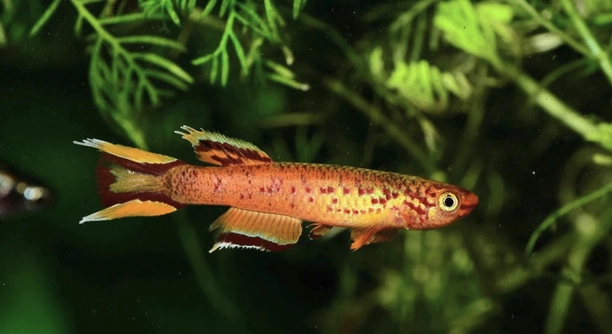
Killis are popular freshwater fish known for their vibrant colors and peaceful nature. Many aquarists seek ways to create a natural environment in their tanks. Driftwood is often used to enhance the aesthetic and mimic natural habitats.
Killis generally do enjoy having driftwood in their tanks, as it provides shelter and a sense of security. Driftwood can also promote beneficial bacteria growth and help maintain water chemistry, contributing positively to the overall health of the fish.
Understanding how driftwood impacts killis’ behavior and tank environment can improve your setup. This article will explain why driftwood can be beneficial and how to use it effectively.
Benefits of Driftwood in Killifish Tanks
Driftwood offers several advantages when placed in killifish tanks. It creates hiding spots where killis can feel safe, reducing their stress levels. The wood also releases tannins, which slightly lower the pH and soften the water, conditions that many killifish prefer. These tannins can give the water a natural, tea-colored tint that mimics the fish’s native habitats. Driftwood also encourages the growth of beneficial bacteria, which helps break down waste and improve water quality. Additionally, it provides surfaces for biofilm and microorganisms to grow, which killifish may feed on. Using driftwood in your tank adds complexity and visual interest, creating a more dynamic environment. It can also help regulate water parameters naturally, making it easier to maintain a stable habitat suitable for killifish. Overall, driftwood is a practical and natural addition that supports the health and wellbeing of killifish.
Driftwood supports both the physical and environmental needs of killifish, improving their comfort and water conditions.
Driftwood varies in size, shape, and type, so it’s important to choose pieces that fit your tank. Before placing driftwood inside, soak and boil it to remove impurities and prevent discoloration. Some driftwood types release more tannins than others, so pick one that suits your water conditions. Arrange the wood to provide ample hiding spots while allowing enough swimming space. Regular cleaning helps prevent mold or algae buildup on the wood’s surface. With proper care, driftwood becomes a natural part of your killifish’s habitat, promoting their health and behavior.
How to Introduce Driftwood Safely
Introducing driftwood safely to your killifish tank involves preparation and observation. Always clean and soak driftwood before adding it to the aquarium to remove dirt and reduce tannin release. Boiling the wood for about an hour helps sterilize it and leaches out excess tannins that could discolor the water. After treatment, place the wood in the tank gradually, monitoring water chemistry to ensure pH and hardness remain stable. Keep an eye on your fish’s behavior during this transition to catch any signs of stress early. It is also helpful to test water parameters regularly for at least a week after adding driftwood. Adjust filtration and perform water changes as needed to maintain balance. Introducing driftwood with care helps prevent unwanted water changes and keeps killifish comfortable in their updated environment. Proper preparation protects both your fish and the tank’s ecosystem.
Choosing the Right Driftwood for Killifish Tanks
Not all driftwood types are suitable for killifish tanks. Hardwood varieties like Malaysian or Mopani driftwood are popular because they are dense and release fewer tannins over time. Softwoods tend to break down faster and can affect water quality more significantly. Size is also important; pieces should fit comfortably without overcrowding the tank, allowing killifish to swim freely. Avoid driftwood with sharp edges that could harm delicate fins. Choosing the right wood ensures a safe and natural environment, enhancing your killifish’s habitat without causing water issues.
Selecting driftwood means considering both the wood type and size. Hardwood driftwoods are preferred due to durability and low tannin release. Mopani and Malaysian driftwood add natural aesthetics while being safe for aquatic life. Softwoods can degrade quickly, affecting water clarity and chemistry. Always avoid wood with sharp or rough surfaces to protect killifish from injury. The piece should provide hiding spots but also leave enough open space for active swimming. Proper selection balances beauty and function in the tank.
Once chosen, properly prepare driftwood to avoid sudden water chemistry changes. Soaking the wood for days helps release tannins slowly, preventing sudden pH drops. Boiling the wood further sterilizes it and removes debris. These steps reduce the risk of water discoloration and unwanted bacterial growth. After preparation, monitor water parameters when placing the wood in the tank. A gradual introduction helps killifish adjust comfortably. Properly selected and prepared driftwood creates a balanced, natural environment that supports the health and behavior of your killifish.
Monitoring Tank Conditions After Adding Driftwood
Adding driftwood can change your tank’s water chemistry, so it is important to monitor conditions regularly. Test the pH, hardness, and ammonia levels frequently during the first few weeks. Driftwood releases tannins that naturally lower pH and soften water, which may benefit killifish but could stress other species. Observe your fish for any changes in behavior or signs of stress. Adjust water changes or filtration if needed to keep parameters stable. Keeping an eye on tank conditions ensures a safe environment as your killifish adapt to the new setup.
Careful monitoring after adding driftwood helps maintain stable water conditions for killifish. Testing water parameters like pH and hardness provides insight into changes caused by tannin release. While slight acidification benefits many killifish species, sudden shifts can harm sensitive fish. Check ammonia and nitrite levels to avoid harmful spikes during this transition. Observing your killifish for signs of stress such as hiding or loss of appetite is also crucial. Consistent water testing and adjustments keep the tank balanced, supporting fish health and wellbeing during environmental changes.
Common Issues with Driftwood in Killifish Tanks
Driftwood can sometimes cause water discoloration due to tannins, turning the water a brownish shade. This is natural and usually not harmful, but it may be undesirable for some aquarium setups. Frequent water changes can help manage this effect.
Another issue is mold or algae growth on driftwood surfaces, especially when first introduced. This is common and often temporary. Cleaning or gently scrubbing the wood can remove unwanted buildup without harming your fish.
How to Clean Driftwood Safely
To clean driftwood, use a soft brush or sponge with warm water only. Avoid soaps or chemicals as they can be toxic to fish. If mold or algae are present, scrubbing can help remove it safely. Boiling driftwood before adding it to the tank is another effective method to sterilize and reduce unwanted organisms. Regular maintenance keeps driftwood clean and prevents water quality issues while preserving the natural look and benefits for killifish.
Driftwood and Killifish Behavior
Driftwood often encourages natural behaviors in killifish, such as hiding and exploring. The shelter provides a sense of security, which can reduce stress and improve overall health. Killifish may also use driftwood surfaces to hunt for biofilm and small microorganisms.
Alternative Natural Decorations
Besides driftwood, plants, rocks, and leaf litter can also create a natural environment for killifish. These elements provide shelter and encourage natural behaviors, enhancing the tank’s ecosystem.
FAQ
Do killifish need driftwood in their tanks?
Killifish do not strictly need driftwood, but it offers many benefits. Driftwood provides hiding places and helps create a natural environment, reducing stress for the fish. It also supports water quality by releasing tannins that lower pH and soften the water, conditions favored by many killifish species.
Can driftwood harm killifish?
Driftwood is generally safe for killifish if prepared properly. Unclean driftwood can introduce harmful bacteria or fungi, so soaking and boiling it before use is important. Sharp edges should be avoided to prevent injury. Regular tank maintenance prevents mold or algae growth on the wood.
Why does driftwood turn my water brown?
The brown tint in water comes from tannins released by driftwood. This natural coloring is not harmful and can benefit killifish by mimicking their native habitat’s soft, acidic water. If the color is unwanted, frequent water changes and pre-soaking driftwood can reduce tannin release.
How long does it take for driftwood to stop releasing tannins?
Tannin release can continue for several weeks or months, depending on the type and size of driftwood. Boiling and soaking before adding it to the tank help reduce this period. Regular water changes also help manage tannin buildup over time.
Should I boil or soak driftwood before placing it in my killifish tank?
Yes, both boiling and soaking are recommended. Boiling sterilizes the wood, kills parasites, and speeds up tannin release. Soaking for several days helps leach out excess tannins and prevents sudden changes in water chemistry when introduced to the tank.
Can driftwood affect water pH?
Driftwood can lower the water’s pH slightly due to tannin release. This can be beneficial for killifish that prefer acidic conditions. However, the extent depends on the water hardness and amount of wood used. Monitoring pH regularly after adding driftwood is important.
How often should I clean driftwood in my killifish tank?
Cleaning driftwood depends on algae or mold growth. If visible buildup appears, gently scrub the wood with a soft brush during routine tank maintenance. Avoid harsh chemicals. Regular water changes and good filtration reduce buildup and keep the wood clean.
Can killifish eat anything off the driftwood?
Killifish may nibble on biofilm, algae, or microorganisms that grow on driftwood. This can supplement their diet slightly. However, driftwood itself is not a food source and should not be relied on for nutrition.
Is driftwood suitable for all killifish species?
Most killifish species benefit from driftwood because it mimics their natural habitat. However, species from harder, alkaline waters might not require it. Research your specific killifish species’ natural environment before adding driftwood to ensure compatibility.
What should I do if my water becomes too acidic after adding driftwood?
If pH drops too much, increase water changes with buffered or neutral water to raise pH gradually. You can also remove some driftwood or replace it with less tannin-releasing wood. Monitoring water parameters regularly helps maintain balance.
Can driftwood cause ammonia spikes?
Driftwood itself does not cause ammonia spikes. However, unprepared wood can introduce organic matter or bacteria that temporarily raise ammonia levels. Proper cleaning and tank cycling before adding driftwood prevent this issue.
How can I prevent algae growth on driftwood?
To limit algae growth, avoid excessive lighting and maintain proper tank cleanliness. Regular water changes and good filtration reduce nutrients that feed algae. If algae appear on driftwood, gently scrub it off during maintenance.
Is it okay to combine driftwood with other natural decorations?
Yes, combining driftwood with plants, rocks, and leaf litter creates a more natural and enriching environment for killifish. This variety offers multiple hiding places and encourages natural behaviors.
How large should driftwood pieces be for a killifish tank?
Driftwood pieces should fit comfortably without overcrowding the tank. Smaller pieces work well in nano tanks, while larger tanks can handle bigger driftwood. Always allow enough swimming space and avoid sharp or heavy pieces that could injure fish or damage the tank.
Can driftwood float in the tank?
Fresh driftwood often floats until it becomes waterlogged. Boiling and soaking help it sink faster. If necessary, you can weigh down driftwood with aquarium-safe stones or attach it securely to the substrate.
What is the best way to position driftwood in a killifish tank?
Arrange driftwood to provide hiding spots and shaded areas, but leave enough open space for swimming. Position pieces to create natural breaks and secure them well to prevent movement. This setup reduces stress and encourages exploration.
Driftwood can be a valuable addition to a killifish tank. It provides natural hiding spots that help reduce stress and make the fish feel more secure. The tannins released by driftwood create softer, slightly acidic water conditions that many killifish species prefer. These natural changes in the water help mimic their environment in the wild, supporting their health and encouraging natural behavior. Beyond the practical benefits, driftwood also adds a pleasing, natural look to the aquarium, making the tank more attractive and interesting to observe.
Preparing driftwood properly before placing it in the tank is important to avoid potential problems. Soaking and boiling driftwood help remove impurities and reduce tannin release, which prevents sudden changes in water chemistry. This preparation also helps avoid the introduction of unwanted bacteria or fungi. Once in the tank, it is necessary to monitor water parameters such as pH, hardness, and ammonia to ensure the environment remains stable. Regular cleaning of driftwood, especially when algae or mold appear, helps maintain water quality and keeps the tank healthy for your killifish.
While driftwood is beneficial, it should be chosen carefully to suit your tank size and killifish species. Hardwood driftwoods like Mopani or Malaysian are preferred because they last longer and release fewer tannins. Avoid wood with sharp edges to protect delicate fins. Combining driftwood with other natural decorations like plants and rocks can create a balanced, enriching environment. Overall, using driftwood thoughtfully enhances your killifish’s habitat, promoting both their wellbeing and the aesthetic of your aquarium.

Hello,
If you enjoy the content that we create, please consider saying a "Thank You!" by leaving a tip.
Every little bit helps us continue crafting quality advice that supports the health, happiness, and well-being of pets around the world, for pets of all shapes, sizes, and species.
We really appreciate the kindness and support that you show us!