
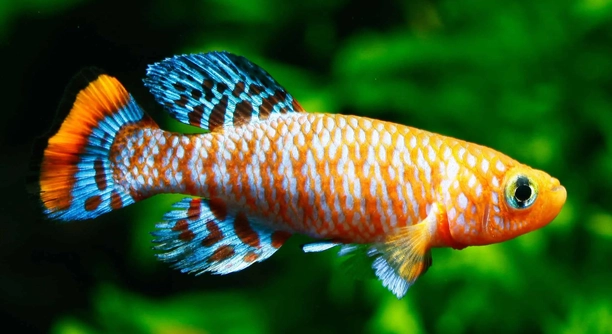
Nervous killifish often display signs of stress that can affect their health and behavior. Many fishkeepers seek effective ways to calm these delicate creatures. Providing a stable environment is key to reducing their anxiety and promoting well-being.
The best approach to calming nervous killifish involves maintaining optimal water quality, minimizing sudden changes in their environment, and providing hiding spots. Gentle handling and reducing exposure to loud noises also help create a peaceful habitat conducive to their comfort.
Understanding these simple techniques can improve your killifish’s quality of life and foster a calmer, healthier aquarium environment.
Create a Stable Environment
Killifish are very sensitive to changes in their surroundings. Keeping water temperature steady between 72 and 78 degrees Fahrenheit helps them feel safe. Sudden fluctuations can cause stress, so using a reliable heater and thermometer is important. Water quality should be regularly tested to keep ammonia, nitrite, and nitrate levels low. Frequent water changes prevent buildup of harmful substances. The tank should be placed in a quiet area away from direct sunlight and drafts. Avoid tapping on the glass, as loud noises startle killifish easily. Including plenty of plants and hiding spots mimics their natural habitat and provides shelter when they feel nervous. These simple steps build a calm, supportive environment that helps reduce anxiety and supports their health.
Maintaining this kind of environment takes some effort but pays off with a happier, healthier killifish. Stability is key to calming their nerves.
Providing consistent water conditions and a peaceful setting encourages natural behavior. It also minimizes the chance of illness related to stress. When killifish feel secure, they are more likely to thrive and show their vibrant colors. Taking the time to prepare their habitat properly is one of the most effective ways to keep them calm and comfortable over the long term. This foundation makes other care techniques easier and more successful.
Handle With Care
Killifish react strongly to rough or sudden movements near their tank. Using slow, gentle actions when feeding or cleaning helps prevent unnecessary stress. Avoid grabbing or chasing them, as this can increase nervousness. When necessary to move the fish, using a soft net with careful control reduces risk of injury. Supporting the fish gently in hands during transfer is preferable when possible. Patience and calmness from the keeper have a direct calming effect on the fish’s behavior.
Regular observation will show when killifish feel secure around you. Calm handling builds trust and reduces overall stress levels. Over time, they may become more comfortable with your presence, improving their wellbeing. This care approach is essential for maintaining a stress-free environment that promotes long-term health and vitality.
Provide Hiding Places
Killifish need places to retreat when they feel nervous. Plants, rocks, and decorations create secure spots for them to hide. This helps reduce stress and gives them a sense of safety.
Adding dense live plants like java moss or floating plants offers natural cover. Smooth rocks and caves create additional hiding spots, replicating their natural environment. These features also break the line of sight, which prevents killifish from feeling exposed. A well-decorated tank encourages natural behaviors and helps them calm down when startled. Be sure to avoid sharp decorations that could injure delicate fins. Regularly check hiding spots to ensure they remain safe and clean.
Providing various hiding places is an easy way to support your killifish’s comfort. These secure areas help minimize anxiety and encourage healthier interactions within the tank. When killifish feel safe, they become less skittish and display more natural, relaxed behavior.
Maintain a Calm Feeding Routine
Feeding killifish at the same times daily creates predictability that reduces nervousness. They quickly learn to associate feeding times with safety. Avoid sudden changes in diet or feeding schedule that could cause stress.
A consistent feeding routine helps killifish stay calm and healthy. Offering a balanced diet of live or frozen foods like daphnia, brine shrimp, and bloodworms supports their nutritional needs. Avoid overfeeding, which can lead to poor water quality and stress. Small, frequent meals are better tolerated than large amounts at once. Watching your killifish eagerly come to feed can be rewarding and shows they feel comfortable in their tank.
Careful attention to feeding habits strengthens the bond between keeper and fish. A calm environment during feeding encourages natural activity and promotes overall wellbeing. This routine is an essential part of reducing nervousness in killifish over time.
Avoid Overcrowding
Too many fish in a tank causes stress and competition. Killifish need enough space to swim and hide comfortably.
A crowded tank leads to poor water quality and aggressive behavior. Keeping a proper fish-to-space ratio helps maintain calm and health for your killifish.
Use Gentle Lighting
Bright or flashing lights can startle killifish easily. Using soft, steady lighting mimics natural conditions and helps keep them calm.
Adjust light intensity and duration to reduce stress. A timer ensures a consistent light cycle, supporting their natural rhythm and comfort.
Minimize Noise and Vibrations
Killifish are sensitive to loud noises and vibrations. Keeping the tank in a quiet, stable area reduces their stress levels.
Avoid placing the aquarium near heavy foot traffic or appliances. Reducing external disturbances creates a peaceful environment essential for calming nervous killifish.
FAQ
How can I tell if my killifish is stressed?
Signs of stress in killifish include rapid breathing, hiding more than usual, loss of color, and erratic swimming. They may also refuse food or appear lethargic. Watching their behavior closely helps catch stress early.
What water parameters are best for killifish?
Killifish thrive in water with a temperature between 72-78°F, pH around 6.0-7.5, and soft to moderately hard water. Stable conditions with low ammonia, nitrite, and nitrate levels are essential to avoid stress.
Can I keep killifish with other fish?
Killifish can be kept with peaceful tank mates that won’t outcompete or bully them. Avoid aggressive or fast-moving species. Small community tanks with slow fish are usually best.
How often should I change the water?
Changing 20-30% of the water weekly keeps the tank clean and reduces stress. Frequent water changes help maintain good water quality, preventing buildup of harmful chemicals that upset killifish.
What foods are best for killifish?
Killifish prefer live or frozen foods such as brine shrimp, daphnia, and bloodworms. These foods offer the nutrition they need and stimulate natural hunting behaviors, reducing nervousness.
Why do killifish jump out of the tank?
Killifish are known to jump when stressed or startled. A tight-fitting lid is necessary to prevent escape and injuries. Reducing stressors like sudden movements or loud noises also helps keep them safe.
How do plants help calm killifish?
Plants offer hiding spots and break up sight lines, making killifish feel safer. They also improve water quality by absorbing nitrates. Dense plant growth mimics the killifish’s natural habitat, which lowers anxiety.
Is tank size important for killifish?
Yes, adequate tank size is crucial. A minimum of 10 gallons for a small group allows enough space to swim and hide. Crowded tanks cause stress and increase the risk of disease.
How should I handle killifish?
Handle killifish minimally and gently to avoid stress. Use a soft net for transfers and avoid grabbing them with bare hands. Calm, slow movements help reduce fear.
What causes killifish to lose color?
Stress, poor water quality, illness, or inadequate diet can cause color loss. Ensuring stable conditions and proper nutrition helps maintain their vibrant appearance.
Can lighting affect killifish behavior?
Yes, bright or fluctuating lights can startle killifish. Using gentle, steady lighting with a regular day-night cycle helps keep them calm and encourages natural activity.
How do I reduce noise around the tank?
Place the aquarium in a quiet area away from heavy foot traffic, loud appliances, or speakers. Sound and vibrations stress killifish and can cause nervous behavior.
What are the signs of illness related to stress?
Illness signs include faded color, clamped fins, abnormal swimming, loss of appetite, and spots or wounds. Stress weakens the immune system, making killifish prone to infections.
How long does it take to calm a nervous killifish?
Calming can take days to weeks depending on the cause and care. Consistency in environment, handling, and feeding routines helps speed recovery and build trust.
Are there any supplements to reduce stress?
Some hobbyists use aquarium salt or stress-reducing additives carefully and in recommended amounts. Always research and use products designed for killifish to avoid harm.
Can breeding help reduce stress?
Breeding itself may increase stress temporarily. However, providing proper conditions for spawning and raising fry successfully can improve overall fish wellbeing in the long term.
These answers provide clear guidance on common concerns related to calming nervous killifish. Following these tips will help maintain a healthy and peaceful environment for your fish.
Final Thoughts
Keeping killifish calm is essential for their health and happiness. These fish are sensitive to changes in their environment, so providing a stable and quiet tank is important. Maintaining good water quality, steady temperature, and gentle lighting all contribute to creating a peaceful space where killifish can thrive. Adding hiding spots and plants gives them places to retreat when they feel nervous, which helps reduce stress naturally.
Handling killifish carefully also plays a big role in keeping them calm. Sudden movements or rough handling can frighten them easily. By moving slowly and gently during feeding, cleaning, or transfers, you allow the fish to feel more secure. A consistent feeding routine and the right diet with live or frozen foods encourage natural behavior and build comfort. These small habits build trust and make the fish less jumpy over time.
Overall, calming nervous killifish requires attention to their needs and environment. Avoid overcrowding, reduce noise and vibrations near the tank, and keep lighting soft and steady. Taking these steps creates a better quality of life for your fish and helps prevent health problems caused by stress. With patience and proper care, killifish can display their natural colors and behaviors, bringing enjoyment to your aquarium. Making their well-being a priority will reward you with a lively and peaceful tank.

Hello,
If you enjoy the content that we create, please consider saying a "Thank You!" by leaving a tip.
Every little bit helps us continue crafting quality advice that supports the health, happiness, and well-being of pets around the world, for pets of all shapes, sizes, and species.
We really appreciate the kindness and support that you show us!