
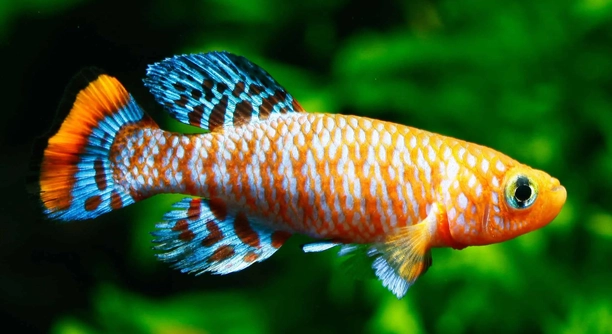
Killi fish are popular for their vibrant colors and small size, making them a favorite among aquarium enthusiasts. Ensuring their water quality remains good is essential for their health and longevity. Simple steps can help keep their environment stable and safe.
Improving Killi water quality involves regular monitoring, maintaining proper pH and temperature, performing partial water changes, using appropriate filtration, avoiding overfeeding, and ensuring no harmful chemicals enter the tank. These measures collectively promote a healthy habitat for the fish.
These straightforward methods can make a significant difference in the well-being of your Killi fish. Applying these tips will help maintain a balanced and thriving aquatic environment.
Test and Monitor Water Regularly
Testing and monitoring water quality is key to keeping Killi fish healthy. You can use simple test kits to check important factors like pH, ammonia, nitrite, and nitrate levels. These indicators tell you how well the water supports your fish. Testing once a week is a good routine to catch any problems early. If you notice changes, take immediate action to correct them. Proper water testing prevents stress and disease in your fish, helping them live longer and thrive. It also ensures that the water remains safe and clean. Maintaining a stable environment makes a big difference, especially since Killi fish can be sensitive to sudden changes. Regular monitoring helps you maintain the right balance in their tank and keeps their habitat healthy.
Keeping an eye on water parameters means fewer surprises and a healthier tank overall.
Regular checks provide peace of mind, ensuring your fish live in optimal conditions without unexpected health issues.
Maintain Proper Temperature and pH
Killi fish thrive in specific temperature and pH ranges. Usually, their ideal temperature is between 72°F and 78°F, while pH should be slightly acidic to neutral, around 6.0 to 7.5. Maintaining these levels is crucial because fluctuations can stress the fish, making them more prone to illness. Using a reliable heater and thermometer helps keep the temperature steady. To adjust pH, use natural additives or water conditioners made for aquariums. Avoid rapid changes by making adjustments slowly over several days. Stable water conditions support the fish’s immune system and encourage natural behavior. Monitoring both temperature and pH regularly helps you catch any deviations early, ensuring your Killi fish remain comfortable and healthy in their environment. This control reduces the risk of diseases and supports their overall well-being in the tank.
Perform Regular Partial Water Changes
Changing part of the water regularly removes waste and toxins that build up in the tank. It keeps the environment clean and reduces harmful substances.
A good rule is to change about 20-30% of the water every one to two weeks. Use dechlorinated water at the same temperature as the tank to avoid shocking the fish. This practice helps maintain water quality and prevents spikes in ammonia and nitrates. It also keeps the tank clear and fresh, which benefits the fish’s health and activity levels.
Partial water changes support the natural balance in the aquarium by diluting pollutants and replenishing minerals. Over time, this routine helps prevent algae growth and improves oxygen levels in the water. Regular maintenance like this reduces the chances of disease and keeps your Killi fish comfortable.
Use Suitable Filtration Systems
A proper filtration system removes debris, excess food, and fish waste efficiently. It also promotes beneficial bacteria growth, which breaks down harmful substances.
Filters should be chosen based on tank size and fish needs. Gentle filters prevent stressing Killi fish, which prefer calmer water. Regular cleaning of the filter media is necessary to maintain flow and effectiveness. Avoid harsh chemicals when cleaning, as these can harm the beneficial bacteria and fish. A well-maintained filter keeps the water clearer and safer, reducing the risk of disease and improving overall tank health.
Avoid Overfeeding
Overfeeding leads to leftover food that decomposes and pollutes the water. Feed your Killi fish small amounts they can eat within a few minutes.
A proper feeding schedule prevents excess waste and keeps the water cleaner. Balanced feeding supports fish health without causing water quality issues.
Remove Harmful Chemicals
Chlorine, heavy metals, and other chemicals can harm Killi fish. Use water conditioners to neutralize these substances before adding water to the tank.
Treating tap water properly protects your fish from stress and illness caused by harmful chemicals. This simple step is essential for maintaining a safe aquatic environment.
Maintain Proper Tank Cleanliness
Regular cleaning of the tank glass, substrate, and decorations prevents algae buildup and removes debris. Avoid using soap or detergents that can leave harmful residues.
Keeping the tank clean promotes a healthy environment and reduces stress for Killi fish, supporting their long-term well-being.
FAQ
How often should I test my Killi fish tank water?
Testing the water once a week is generally sufficient. Weekly checks allow you to track important parameters like pH, ammonia, nitrites, and nitrates. More frequent testing might be necessary if you notice changes in fish behavior or after cleaning and water changes. Regular testing helps keep the environment stable and safe for your fish.
What is the ideal temperature for Killi fish?
Killi fish usually thrive in temperatures between 72°F and 78°F. Keeping the temperature stable within this range prevents stress and supports their immune system. Using a reliable heater and thermometer ensures that sudden temperature changes do not occur, which can be harmful to the fish.
How much water should I change during a partial water change?
It’s best to change about 20-30% of the tank water every one to two weeks. This amount removes harmful toxins without disturbing the beneficial bacteria too much. Using dechlorinated water that matches the tank temperature helps avoid shocking the fish during water changes.
Can I use tap water directly for my Killi tank?
Tap water often contains chlorine and other chemicals that are harmful to fish. Always treat tap water with a water conditioner before adding it to the tank. This neutralizes harmful substances and makes the water safe for your Killi fish.
What type of filter is best for a Killi fish tank?
A gentle filter is best since Killi fish prefer calm water. Sponge filters or low-flow filters work well to avoid stressing the fish. Regularly cleaning the filter media without harsh chemicals ensures it continues working effectively while preserving beneficial bacteria.
How often should I clean the tank decorations and substrate?
Cleaning should be done regularly but gently, usually during partial water changes. Avoid using soaps or detergents, as residues can harm fish. Rinse decorations and substrate with tank water to remove debris and algae. Keeping these clean helps maintain water quality and fish health.
Why is overfeeding harmful to Killi fish?
Excess food decomposes in the tank, increasing ammonia and nitrate levels, which are toxic to fish. Feeding small amounts that your fish can finish in a few minutes prevents waste buildup. Proper feeding supports better water quality and fish health.
What signs show that water quality is poor?
Signs include cloudy water, algae overgrowth, fish gasping at the surface, sluggish behavior, or sudden deaths. Poor water quality stresses fish and makes them vulnerable to disease. Regular testing and maintenance help prevent these issues.
Is it necessary to maintain specific pH levels for Killi fish?
Yes, Killi fish do best in slightly acidic to neutral pH levels, around 6.0 to 7.5. Sudden pH changes can stress or harm them. Adjust pH slowly using aquarium-safe products and monitor regularly to keep it stable.
Can live plants improve Killi tank water quality?
Live plants help absorb nitrates and produce oxygen, improving water quality. They also provide hiding spots that reduce fish stress. However, plants require care and proper lighting, so balance their needs with tank conditions.
How do I prevent algae growth in my Killi tank?
Control algae by avoiding excess light and overfeeding. Regular partial water changes and proper filtration also limit nutrients algae need. Keeping the tank clean and balanced reduces algae problems.
What is the role of beneficial bacteria in the tank?
Beneficial bacteria break down harmful ammonia and nitrites into less toxic nitrates. These bacteria colonize filter media and tank surfaces. Maintaining healthy bacteria populations through proper filtration and avoiding harsh chemicals keeps the tank safe for fish.
Final thoughts on improving Killi water quality focus on simple, consistent care. Maintaining clean water is the foundation for keeping your fish healthy and happy. Regular monitoring of water parameters, such as pH, temperature, and toxins, helps you spot issues before they become serious. By testing water weekly and making necessary adjustments, you create a stable environment that supports your Killi fish’s natural behavior and reduces stress. This steady care prevents many common problems related to poor water conditions.
Water changes play a big role in maintaining water quality. Partial water changes of about 20-30% every one to two weeks remove waste and keep toxins low. Using treated, temperature-matched water prevents shocking the fish and maintains balance. Overfeeding should be avoided because leftover food can quickly pollute the water. Feeding small amounts that fish can finish within a few minutes keeps the tank cleaner and healthier. These simple habits work together to create a safer, more comfortable habitat for your fish.
Proper filtration and tank maintenance also support water quality. Gentle filters suited for Killi fish prevent stress and keep water clear by removing debris and encouraging beneficial bacteria growth. Cleaning the filter and tank decorations carefully, without harsh chemicals, preserves this helpful bacteria and prevents algae buildup. Taking these steps regularly helps avoid sudden changes in water quality that can harm your fish. By following these basic practices, you ensure a balanced, thriving environment that helps your Killi fish live longer and more comfortably.

Hello,
If you enjoy the content that we create, please consider saying a "Thank You!" by leaving a tip.
Every little bit helps us continue crafting quality advice that supports the health, happiness, and well-being of pets around the world, for pets of all shapes, sizes, and species.
We really appreciate the kindness and support that you show us!