
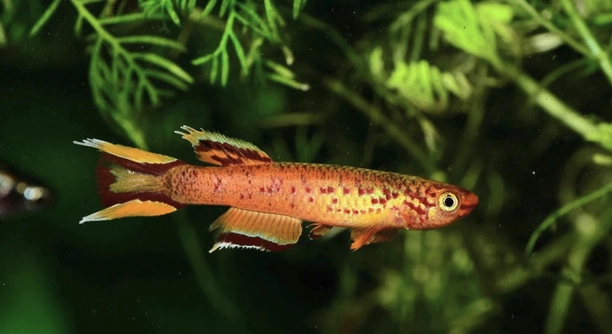
Many aquarium owners notice their killifish stop eating right after a water change. This sudden loss of appetite can cause concern and confusion. Understanding the reasons behind this behavior is important for maintaining a healthy tank environment.
Killifish often refuse food after a water change due to stress and changes in water parameters. Sudden shifts in temperature, pH, or chemical composition can disrupt their comfort, leading to temporary appetite loss as they adjust to the new conditions.
Knowing why your killifish react this way can help you support their recovery and ensure their well-being after each water change.
How Water Changes Affect Killifish Behavior
Water changes are necessary to keep an aquarium healthy, but they can be stressful for killifish. Even small changes in temperature or water chemistry can make them uneasy. Killifish are sensitive to shifts in pH levels, hardness, and dissolved oxygen. When these change suddenly, killifish may stop eating as their bodies try to adjust. This response is natural and usually temporary. Additionally, the physical disturbance during water changes can frighten them. They may hide or swim less actively, which reduces their interest in food. Keeping the water change gentle and consistent helps minimize this stress. Using a water conditioner and matching new water temperature closely to the tank can make a difference. Over time, killifish adapt better if changes are gradual and predictable, reducing the chance of appetite loss after water changes.
Killifish typically resume normal eating within a few hours to a day after the water change if conditions are stable.
To help your killifish recover, observe their behavior closely and avoid overfeeding during this adjustment period. Providing hiding spots and keeping lighting low can ease their stress. Monitoring water quality regularly will also support their health. If the fish refuse food for more than a couple of days, testing water parameters for ammonia, nitrite, and nitrate is important. Sometimes an unnoticed water quality issue after a change causes prolonged appetite loss. In such cases, partial water changes or treatments may be needed to restore balance and encourage feeding.
Tips to Reduce Stress During Water Changes
Preparing your tank and fish before a water change can help reduce their stress levels. Performing water changes slowly and carefully is key.
One way to ease killifish stress is to keep the new water temperature close to the tank’s current temperature. Adding water conditioner removes chlorine and other chemicals that may upset your fish. Avoid changing too much water at once; smaller, more frequent water changes are better tolerated. Minimizing sudden movements around the tank during the process helps keep killifish calm. Turning off strong filters temporarily can reduce water flow disturbance. Also, feeding your fish shortly before a water change provides some energy to withstand the brief discomfort. Finally, ensure the tank has plants or decorations where killifish can hide during this time. These simple steps help maintain a peaceful environment and promote faster recovery after water changes.
Common Water Parameters to Watch
Keeping water parameters stable is crucial for killifish health. Temperature, pH, ammonia, nitrites, and nitrates are the most important factors to monitor regularly.
Temperature changes can shock killifish, causing stress and appetite loss. They prefer a stable range around 72–78°F (22–26°C). pH levels should be kept consistent, ideally between 6.0 and 7.5, depending on the species. Sudden shifts in pH can disrupt their metabolism and behavior. Ammonia and nitrite are toxic even in small amounts and should always be at zero. Nitrate is less harmful but should be kept below 20 ppm to avoid stress. Testing water before and after changes ensures these values stay safe. Adjusting parameters slowly during water changes minimizes discomfort for your killifish.
Frequent water testing and gentle adjustments help maintain a stable environment. Use quality test kits and record results to track any fluctuations. This careful approach prevents sudden changes that could cause feeding problems or other health issues.
In some cases, water hardness can also affect killifish appetite. Hard water contains more minerals like calcium and magnesium, which influence fish behavior and digestion. Depending on your species, soft or moderately hard water is preferred. Using reverse osmosis or dechlorinated tap water can help control hardness levels. Maintaining these parameters supports your killifish’s immune system and reduces stress, encouraging them to eat normally after water changes.
Signs of Stress Beyond Appetite Loss
Killifish showing stress after water changes may also exhibit unusual swimming or hiding behavior. Identifying these signs early can help prevent more serious health problems.
Stress signs include lethargy, clamped fins, rapid breathing, and spending more time hiding. Fish may stay near the surface or bottom of the tank instead of exploring. Color fading or dullness can also indicate discomfort. These behaviors often accompany appetite loss and suggest that water conditions are not ideal. Addressing stress promptly by checking water parameters and reducing disturbances can help your killifish recover faster. Monitoring these signs ensures you take action before the situation worsens.
How to Encourage Eating After a Water Change
Offering small, frequent meals can help stimulate your killifish’s appetite after a water change. Avoid overfeeding during this sensitive time to prevent water quality issues.
Providing high-quality, easily digestible food encourages feeding. Live or frozen foods like brine shrimp or daphnia are often more appealing than flakes.
The Role of Tank Environment
A calm, well-planted tank offers shelter and reduces stress for killifish. Plants and decorations provide hiding spots, making fish feel secure and more willing to eat.
Lighting should be gentle after a water change. Bright or sudden lights can increase stress and discourage feeding.
When to Seek Help
If your killifish refuses food for more than three days despite stable water conditions, illness might be a factor. Consult an aquatic veterinarian or experienced hobbyist.
Early diagnosis and treatment are essential to prevent complications and ensure your fish’s health and recovery.
Preventing Future Appetite Loss
Regular, partial water changes with careful monitoring help maintain a stable environment. Consistency in water quality reduces stress and supports regular feeding habits.
Why won’t my killifish eat right after a water change?
Killifish often refuse food after a water change because of sudden changes in water temperature, pH, or chemistry. These shifts can stress the fish, causing them to stop eating temporarily. The disturbance from water replacement itself also contributes to their discomfort and loss of appetite.
How long does it usually take for killifish to start eating again after a water change?
Most killifish begin eating again within 24 to 48 hours after a water change if the conditions remain stable. If they do not eat after this period, it could indicate stress is persisting or another underlying issue like water quality problems or illness.
Can overfeeding after a water change cause problems?
Yes. Overfeeding can lead to leftover food decomposing in the tank, which harms water quality by increasing ammonia and nitrite levels. Poor water quality causes further stress and can delay your killifish’s return to normal eating habits.
Is it normal for killifish to hide after a water change?
Yes. Hiding is a natural stress response. Killifish feel vulnerable when the environment changes, so they seek shelter until they feel safe again. Providing plants or decorations helps them feel secure during this time.
Should I change all the water or just part of it?
Partial water changes, usually 20-30%, are recommended. Large or full water changes cause bigger shifts in water parameters, increasing stress. Smaller, regular changes maintain stability and keep your killifish comfortable.
How can I make water changes less stressful for my killifish?
Match the temperature and pH of the new water to the tank’s current water. Add water conditioners to remove chlorine and chloramines. Change water slowly, avoid sudden movements around the tank, and perform changes regularly to keep the environment predictable.
What foods are best to offer after a water change?
Offer small amounts of high-quality foods like live or frozen brine shrimp, daphnia, or bloodworms. These are easier to digest and more enticing for stressed killifish than dry flakes or pellets. Feeding smaller portions frequently is better than large meals.
Can water hardness affect killifish appetite?
Yes. Killifish come from habitats with varying water hardness, and sudden changes in mineral content can impact their digestion and stress levels. Maintaining a consistent water hardness appropriate for your species helps keep them healthy and eating normally.
What signs should I look for if my killifish is stressed?
Look for hiding, lethargy, clamped fins, rapid breathing, faded colors, or unusual swimming patterns. These behaviors indicate discomfort. Appetite loss often accompanies stress, so addressing the environment and water quality is important to help them recover.
When should I be concerned about my killifish’s health after a water change?
If your killifish refuses food for more than three days, shows physical signs of illness like spots, swelling, or damaged fins, or acts unusually inactive, it’s time to investigate further. Testing water quality and consulting an aquatic vet can help identify problems early.
Can sudden lighting changes after a water change affect feeding?
Yes. Bright or sudden lights can stress killifish, especially during or after a water change. Keeping lighting soft and consistent reduces stress and encourages fish to resume normal feeding habits.
Is it okay to feed my killifish right before a water change?
Feeding just before a water change can give killifish energy to handle the stress. However, avoid overfeeding since uneaten food can pollute the water and worsen conditions.
How often should I perform water changes to keep killifish healthy?
Regular partial water changes every 1-2 weeks are ideal. This frequency maintains water quality without causing too much disturbance. The exact schedule depends on tank size, stocking levels, and filtration.
Can using a water conditioner help with killifish appetite?
Yes. Water conditioners neutralize harmful chemicals like chlorine and chloramines in tap water, which can irritate killifish. Using conditioners during water changes reduces stress and supports better feeding behavior.
Is water temperature the most important factor in killifish feeding after a water change?
Temperature is critical because killifish are cold-blooded and rely on stable warmth for metabolism. Sudden temperature drops or rises can shock them, causing appetite loss. Keeping temperature steady during changes encourages quicker recovery.
Water changes are essential for keeping killifish healthy, but they can also cause temporary problems like loss of appetite. This is a normal response to the stress caused by sudden changes in water temperature, pH, or chemistry. Killifish are sensitive to their environment, so even small shifts can make them stop eating for a short time. Understanding this helps us stay patient and take the right steps to support them during and after water changes. The key is to keep water conditions as stable as possible and avoid sudden changes.
To reduce stress and help your killifish resume eating quickly, it is important to prepare properly for each water change. Using water that closely matches the tank’s temperature and chemistry minimizes shock. Partial water changes done slowly are better than large, sudden changes. Adding water conditioner to remove chlorine and other chemicals also makes a difference. Providing plenty of hiding spots in the tank gives the fish a safe place to retreat if they feel nervous. These simple actions create a calm environment that encourages killifish to feel secure and start feeding again.
If your killifish still refuse to eat after a couple of days, it is important to check water quality and look for signs of illness. Stress from poor water conditions can lead to longer appetite loss or sickness. Regular testing of ammonia, nitrites, nitrates, and pH will help you spot problems early. If everything seems fine but the fish are still not eating, consulting an expert can provide guidance. Overall, patience and careful tank management will help your killifish stay healthy and happy, even after water changes.

Hello,
If you enjoy the content that we create, please consider saying a "Thank You!" by leaving a tip.
Every little bit helps us continue crafting quality advice that supports the health, happiness, and well-being of pets around the world, for pets of all shapes, sizes, and species.
We really appreciate the kindness and support that you show us!