
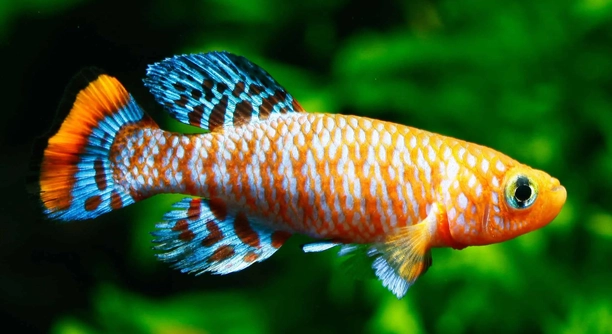
Sudden death in killi fry can be frustrating and upsetting for any fish keeper. These small, delicate fish are sensitive to many factors that may cause rapid health decline. Understanding the causes helps in better care and prevention.
The main causes of sudden death in killi fry include poor water quality, inadequate nutrition, temperature fluctuations, overcrowding, disease, stress, and improper tank conditions. Each factor disrupts their fragile balance and can lead to quick mortality.
Recognizing these causes early can protect your killi fry and improve their chances of survival and healthy growth in your aquarium.
Poor Water Quality
Poor water quality is one of the most common reasons killi fry die suddenly. These tiny fish are very sensitive to changes in their environment. If the water has high levels of ammonia, nitrites, or nitrates, it can quickly become toxic. Uneaten food and waste can also pollute the tank. Low oxygen levels and improper pH balance add more stress to the fry. Keeping the water clean and stable is crucial. Frequent water changes and proper filtration help maintain good water conditions. Testing the water regularly will catch problems before they become fatal. In my experience, neglecting water quality is the fastest way to lose killi fry. Monitoring water parameters and acting quickly can save them from sudden death.
Testing water parameters regularly ensures a safe environment for the fry. Consistent maintenance reduces risks and promotes their health.
Water quality affects the immune system of killi fry. Poor conditions weaken their defenses, making them vulnerable to infections. Even small amounts of toxins can cause fatal damage. When ammonia or nitrites rise, gills get irritated, leading to breathing difficulties. Fry are less able to cope with stress from toxins compared to adult fish. Proper water management reduces disease risk, improves growth, and increases survival rates. Using a good filtration system and keeping the tank clean prevents buildup of harmful substances. Avoid overcrowding to limit waste production. Feeding the fry the right amount prevents leftover food from rotting. Overall, maintaining excellent water quality is the foundation of healthy killi fry care.
Inadequate Nutrition
Killi fry need balanced nutrition for healthy development. Poor feeding practices often cause weakness and sudden death. Newly hatched fry require very small, high-protein foods. Infusoria, baby brine shrimp, and specialized fry food are good options. Feeding too much or too little can both harm their health. Overfeeding pollutes the water, while underfeeding stunts growth and lowers immunity. Variety in diet ensures the fry get all necessary nutrients. I found that consistent, appropriate feeding makes a big difference in fry survival. Adjusting feeding amounts as they grow helps maintain water quality and health.
Temperature Fluctuations
Temperature changes stress killi fry and can cause sudden death. These fish need stable, warm water conditions. Rapid shifts weaken their immune systems and slow metabolism. Maintaining a consistent temperature around 72–78°F is ideal for most killi species.
Sudden drops or spikes in temperature shock fry, making them vulnerable to disease and organ failure. Even small fluctuations can be dangerous, especially in young or weak fry. Using a reliable heater and thermometer helps keep conditions steady. Avoid placing the tank near drafts, windows, or heating vents to prevent unexpected changes. In my experience, careful temperature control significantly reduces fry losses.
Temperature also affects fry activity and feeding behavior. When water is too cold, they become lethargic and eat less, impacting growth. Too warm, and oxygen levels drop, adding stress. Stability is key to healthy development and survival.
Overcrowding
Overcrowding increases competition for food and oxygen, causing stress and death in killi fry. A crowded tank leads to poor water quality and higher disease risk. Keeping fry numbers appropriate for tank size is important for survival.
Too many fry in a small space cause aggression and injury, which weakens them further. Overcrowding also limits swimming space, affecting natural behavior and growth. Separating fry into multiple tanks or using breeding boxes can help manage numbers. I’ve found that reducing crowding greatly improves health and lowers sudden deaths.
Proper stocking density allows each fry enough space to access food and oxygen. This prevents stress-related illnesses and supports steady growth. Overcrowded conditions often lead to rapid water degradation, increasing mortality. Maintaining adequate space is a simple but effective way to protect your fry.
Disease
Disease can quickly cause sudden death in killi fry. Their small size and weak immune systems make them vulnerable to bacterial, fungal, and parasitic infections. Early detection and treatment are essential to prevent outbreaks.
Maintaining good water quality and hygiene reduces the risk of disease. Quarantining new fish helps stop infections from spreading. I’ve seen disease wipe out fry tanks quickly when left unchecked.
Stress
Stress lowers the fry’s ability to fight illness and survive. Causes include poor water conditions, sudden changes, and aggressive tank mates. Minimizing stress is key to keeping fry healthy and alive.
Improper Tank Conditions
Inadequate tank setup harms killi fry survival. Lack of hiding spots, improper substrate, and poor filtration create a harsh environment. Fry need calm, clean, and secure surroundings for best growth. Providing plants or breeding mops offers shelter and reduces stress.
Conclusion
What causes sudden death in killi fry?
Sudden death in killi fry usually happens because of poor water quality, temperature changes, lack of proper food, overcrowding, stress, disease, or unsuitable tank conditions. Each of these factors weakens the fry and can lead to rapid decline. Maintaining stable, clean, and balanced conditions is essential to keep them alive.
How can I improve water quality for killi fry?
Regular water changes, careful feeding to avoid leftovers, and using a good filter help keep the water clean. Test the water for ammonia, nitrites, nitrates, and pH often. Keeping these parameters within safe ranges prevents toxins from building up, which is critical for fry health. I’ve found frequent small water changes better than large ones, as they reduce sudden changes.
What is the best temperature for killi fry?
Most killi fry thrive between 72°F and 78°F. Sudden changes outside this range can shock them and increase mortality. Use a reliable heater and thermometer to monitor and maintain a steady temperature. Avoid placing the tank near windows or vents to prevent temperature swings.
How often should I feed killi fry?
Feed small amounts several times a day, ensuring the fry get enough protein without polluting the water. Newly hatched brine shrimp or infusoria are excellent first foods. Overfeeding causes water problems, while underfeeding slows growth and lowers immunity. Watching the fry’s behavior can help adjust feeding amounts.
Why is overcrowding harmful to killi fry?
Too many fry in one tank cause competition for food and oxygen. They also stress each other, making them more vulnerable to disease. Overcrowding leads to faster water quality decline. Providing enough space or dividing fry into smaller groups improves survival rates significantly.
How do I recognize disease in killi fry?
Look for signs like lethargy, discoloration, loss of appetite, or abnormal swimming. White spots, fuzzy patches, or redness can indicate infections. Early detection is vital. Quarantining sick fry and treating them promptly reduces the risk of spreading disease.
Can stress cause sudden death in killi fry?
Yes, stress lowers their immune defenses, making them prone to illness. Stress can come from poor water conditions, sudden environmental changes, or aggressive tank mates. Keeping conditions stable and providing hiding places helps reduce stress and improves survival chances.
What tank setup is best for killi fry?
A well-filtered tank with calm water and plenty of hiding spots is ideal. Use plants or breeding mops to provide shelter. Avoid strong currents and sharp decorations that could harm fry. Clean substrate and gentle filtration promote a safe environment for fry growth.
How often should I change water for killi fry?
Small water changes of 20-30% two to three times a week keep water quality high without stressing the fry. Large or infrequent changes can shock the fry with sudden parameter shifts. Consistency is more important than volume.
Is it necessary to quarantine new fish before adding them to the fry tank?
Yes, quarantining new fish for at least two weeks helps prevent diseases from spreading to vulnerable fry. Many infections show symptoms during quarantine, allowing early treatment before introducing new fish to the main tank. This practice is key to maintaining a healthy fry environment.
Taking care of killi fry can sometimes be challenging because they are very sensitive and delicate. Sudden death is often the result of factors that are easy to overlook, such as water quality, temperature, or overcrowding. Paying close attention to these details can make a big difference in keeping fry healthy and alive. It is important to create a stable and safe environment where the fry can grow without stress or harm. Regular maintenance and monitoring of the tank conditions will help prevent many problems before they start.
Water quality plays a crucial role in the health of killi fry. Ammonia, nitrites, and nitrates can build up quickly in a small tank if not properly managed. Keeping the water clean through frequent small changes and using good filtration supports the fry’s fragile systems. Temperature stability is just as important because sudden shifts can shock young fry, weakening their immune response. Feeding the fry the right kinds of food in appropriate amounts also supports their growth and resistance to disease. Overcrowding should be avoided to reduce stress and maintain water quality.
Overall, success with killi fry comes down to careful observation and timely action. By addressing the common causes of sudden death, such as poor water conditions, improper feeding, and stress, you give the fry the best chance to thrive. Taking the time to understand and meet their needs will lead to healthier fish and a more rewarding experience. Remember, small changes in care routines can have a big impact on fry survival and growth. Consistency and patience are key to raising strong, healthy killi fry.

Hello,
If you enjoy the content that we create, please consider saying a "Thank You!" by leaving a tip.
Every little bit helps us continue crafting quality advice that supports the health, happiness, and well-being of pets around the world, for pets of all shapes, sizes, and species.
We really appreciate the kindness and support that you show us!