
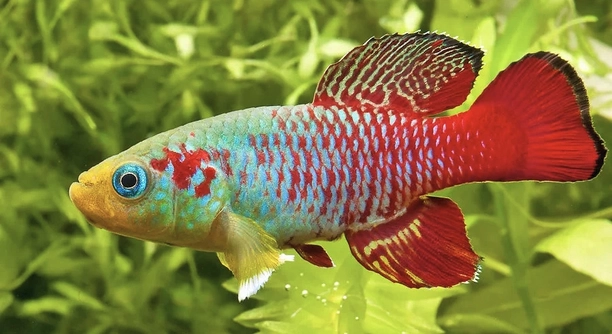
Have you ever looked into your aquarium and noticed your once-active killi fish suddenly sitting still at the bottom of the tank?
The most common reason killi fish suddenly stop moving is stress caused by water quality issues, temperature fluctuations, or illness. These conditions can quickly affect their behavior and lead to inactivity or lethargy.
Understanding what triggers this sudden change can help you respond quickly and keep your killi fish safe and healthy.
Common Reasons Your Killi Fish Isn’t Moving
Stress is one of the most common reasons your killi fish might stop moving. Poor water quality, sudden temperature changes, or an overcrowded tank can lead to discomfort and inactivity. Ammonia or nitrite spikes are especially harmful and can cause rapid behavioral changes. If your killi fish is hiding, breathing heavily, or showing faded colors along with not moving, these are warning signs. Illnesses like parasites or bacterial infections can also make them sluggish. It’s important to act quickly. Start by testing your tank water with a reliable kit, checking for ammonia, nitrite, nitrate, and pH. Ensure the temperature is stable and within the preferred range of 72–75°F. Isolate the fish if you notice signs of disease, and consult a vet experienced in aquatic animals. In many cases, making a few simple changes early can help bring your killi fish back to its usual active behavior.
Most inactive behavior in killi fish is triggered by poor tank conditions or undiagnosed illness.
Feeding problems can also lead to sluggishness. If your killi fish isn’t eating or isn’t getting the right nutrition, its energy level will drop. A varied diet with quality flakes, frozen foods, and occasional live food is important for their health. Overfeeding or underfeeding can both cause issues. Watch their feeding behavior and remove any uneaten food quickly to avoid water contamination. If your fish stops eating entirely, it’s often a sign of stress or sickness. Address the root problem, whether it’s diet, water, or infection. Keeping an eye on their appetite is an easy way to catch issues early.
When to Worry and What to Do
Inactivity becomes more serious when paired with labored breathing or visible signs of illness.
When your killi fish remains motionless for hours and shows no interest in food, immediate attention is needed. Look closely at its body—do you see spots, redness, or clamped fins? These signs may indicate infection, injury, or even internal parasites. Use a quarantine tank to separate the fish if you’re unsure. This not only helps in treating the fish but also protects the rest of your tank. Start with partial water changes to refresh the environment. A clean tank can do wonders. Check that your heater and filter are working correctly. Use medications only if symptoms match a specific condition, and follow all instructions carefully. Avoid overreacting with too many treatments at once, as that can stress the fish more. Gentle steps and observation are often more helpful than rushing. With some care and the right changes, many fish regain their energy and begin swimming again.
How Tank Conditions Affect Movement
Poor water conditions quickly impact your killi fish’s activity. Ammonia buildup, low oxygen levels, and incorrect pH make the environment stressful. Even slight changes in water chemistry can cause the fish to stop moving or remain near the bottom.
Check your water parameters regularly using a trusted test kit. Keep ammonia and nitrite at zero, and nitrates under 20 ppm. pH should stay between 6.0 and 7.5, depending on the species. If levels are off, perform a partial water change—around 25% is usually safe. Make sure your tank is properly cycled and has a working filter. Sudden water changes or large temperature swings can shock your fish, so keep everything stable. Aim for a consistent temperature between 72–75°F. Even strong water currents from the filter can cause stress. Use plants or decorations to break up the flow if needed. These small adjustments can help your killi fish recover quickly.
Proper lighting and tank size also matter. Too much light can overwhelm your fish, while too little may affect their daily rhythms. Killi fish do best with a day-night cycle that mimics natural light patterns. Use a timer to keep things consistent. Avoid tanks that are too small, as cramped spaces increase aggression and stress. A minimum of 5 gallons for a pair is recommended. Decorations, plants, and hiding spots provide comfort and security. Avoid placing the tank near loud noises or sudden movement, as vibrations can startle your fish and discourage swimming. Clean the tank regularly, but avoid scrubbing everything at once—leave some beneficial bacteria intact to keep your water stable.
Feeding Habits and Energy Levels
A poor diet can reduce your fish’s energy and cause it to stop moving. Killi fish need a balanced mix of proteins and vitamins to stay healthy and active.
Offer high-quality flakes or pellets as a base, but also include frozen or live foods like brine shrimp, daphnia, or bloodworms. These add protein and variety to their diet. Feed once or twice a day, and only what they can eat in two minutes. Remove leftovers right away to avoid dirtying the tank. Overfeeding can cause bloating or constipation, which often leads to inactivity. If your fish isn’t eating, test the water and observe its behavior for other symptoms. A healthy fish should show interest in food and swim toward it. If not, it may be stressed, sick, or affected by tank conditions.
Watch how your killi fish responds at feeding time. Healthy fish will swim up, explore, and react to movement. A still fish that ignores food or hides may be ill or overwhelmed. If this happens repeatedly, reduce stressors like bright lights or strong currents. Keep feeding times consistent to build routine. Sometimes, switching to live foods helps spark interest. A fish that refuses to eat for more than two days might need isolation or treatment. Always quarantine new fish and avoid introducing anything that could bring in parasites. Safe feeding and clean water go hand in hand to support your killi fish’s health and activity.
Signs Your Fish May Be Sick
Lethargy, loss of appetite, clamped fins, or gasping at the surface can signal illness. Watch for white spots, bloating, or odd swimming patterns, which may point to infections, parasites, or swim bladder issues.
Quarantine the fish if symptoms appear. This helps prevent spreading illness and allows for focused treatment. Use medications carefully and only after confirming the condition.
How Age and Genetics Play a Role
Sometimes, your killi fish may slow down simply due to age. As they grow older, they become less active and may rest more often. Most killi fish live between two and three years. Genetic traits also influence energy levels. Some fish are naturally more active, while others remain calm. If your tank conditions are stable, and there are no signs of stress or disease, a gradual decrease in movement might just reflect the fish’s age. Observe changes slowly and compare with past behavior. If the fish is still eating and breathing normally, aging is likely the cause. Keep them comfortable with stable conditions.
Don’t Ignore the Small Changes
Even small changes in behavior can signal a problem. Acting early often makes it easier to fix whatever is wrong.
FAQ
Why is my killi fish just lying at the bottom of the tank?
This behavior often points to stress, poor water quality, or illness. Check for ammonia, nitrite, and temperature problems. If water levels are normal, look for signs of disease like clamped fins or discoloration. Sometimes, older fish also rest more often near the bottom.
Is it normal for killi fish to stop moving during the day?
Killi fish are usually active during the day, but short rest periods are normal. If inactivity lasts hours or becomes daily, it may signal a problem. Watch for other changes, like loss of appetite or hiding. These can confirm if the fish is unwell or stressed.
What should I do if my killi fish isn’t eating?
Start by checking water conditions. Dirty or unbalanced water often causes loss of appetite. If conditions are fine, try offering live or frozen food to stimulate interest. If your fish still refuses food, isolate it and monitor for other signs of illness.
Can poor lighting cause killi fish to stop moving?
Yes. Too much or too little light affects their natural rhythm. Bright lights can overwhelm them, while constant darkness may lead to low energy. Aim for a consistent day-night cycle using a light timer. This helps regulate activity and supports overall health.
How long can killi fish go without moving?
Killi fish should not remain motionless for long periods. Short rests are fine, but extended inactivity is not normal. If your fish hasn’t moved in hours and shows no interest in food or swimming, there may be an underlying issue that needs attention.
What temperature should the tank be for killi fish?
Most species do best in water between 72°F and 75°F. Sudden changes can stress your fish. Use a heater and thermometer to keep the temperature stable. Avoid placing the tank near windows or vents that might cause temperature fluctuations.
Are killi fish sensitive to stress?
Yes, they are. Stress can come from many sources—poor water, aggressive tankmates, loud noises, or too much handling. Stressed fish often stop moving, hide, or refuse food. Keep the tank calm, clean, and quiet to reduce stress and help them stay active.
Can I use aquarium salt if my fish isn’t moving?
Aquarium salt can help in some cases, especially with external infections or stress recovery. However, it’s not always necessary. Use it cautiously and only when you’re sure it’s suitable for your species. Always research dosage and effects before adding anything to your tank.
How can I tell if my killi fish is dying?
Signs include lying on the bottom for long periods, gasping, refusal to eat, faded colors, or floating awkwardly. If you notice several of these at once, your fish may be very sick. Immediate steps—clean water, isolation, and proper treatment—can sometimes help.
Should I remove the fish if it looks sick?
Yes. If you suspect illness, move the fish to a quarantine tank. This prevents spreading disease and allows you to treat it safely. Use clean water, watch closely, and treat only as needed. Monitor its progress before returning it to the main tank.
Can a killi fish recover from stress-related inactivity?
Yes, if caught early. Improve water quality, check for hidden problems, and maintain stable conditions. Often, just making the environment safe and consistent helps the fish regain energy. Avoid sudden changes and allow time for the fish to feel secure again.
What foods help boost a killi fish’s energy?
High-protein foods like live brine shrimp, daphnia, and bloodworms are great for energy. Combine them with quality pellets or flakes for balance. Feed small portions once or twice daily. A varied diet supports health and encourages active swimming behavior.
Is a motionless killi fish always sick?
Not always. It could be resting, aging, or adjusting to a recent change in the tank. If inactivity lasts or comes with other symptoms, take action. But if the fish seems normal otherwise, give it time and keep observing. Small changes can mean a lot.
Final Thoughts
Killi fish are sensitive, and even small changes in their environment can affect their behavior. If your fish suddenly stops moving, it’s often a sign that something isn’t right. The most common causes include poor water quality, stress, illness, or even aging. Taking the time to check your tank conditions is one of the easiest and most effective ways to protect your fish. Regular water testing, proper feeding, and a peaceful tank setup all play an important role in keeping your fish active and healthy. Simple habits like checking the temperature and cleaning the tank regularly can make a big difference over time.
Pay close attention to your fish’s normal behavior, so that you can notice changes early. A healthy killi fish will swim around, explore its surroundings, and eat with interest. If these behaviors suddenly stop, it’s best to act quickly. Whether the cause is stress, disease, or poor diet, the sooner you respond, the better the outcome. You don’t always need to medicate right away. Sometimes, just adjusting the environment or isolating the fish for a short time can help. Keep in mind that changes should be made slowly. Sudden shifts in lighting, water flow, or food can make the situation worse.
Caring for killi fish doesn’t have to be complicated, but it does require attention. By maintaining a clean tank, offering the right food, and watching your fish closely, you can avoid many problems before they start. These fish may be small, but their health depends on consistency and care. If your killi fish ever stops moving again, you’ll know what to look for and how to respond calmly. A little effort each day helps create a stable environment where your fish can thrive. With patience and good care, you’ll enjoy seeing your killi fish swim actively and live a full, healthy life.

Hello,
If you enjoy the content that we create, please consider saying a "Thank You!" by leaving a tip.
Every little bit helps us continue crafting quality advice that supports the health, happiness, and well-being of pets around the world, for pets of all shapes, sizes, and species.
We really appreciate the kindness and support that you show us!