
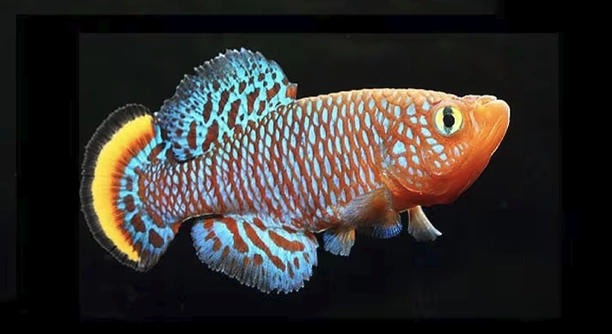
Killis are small freshwater fish popular among hobbyists for their vibrant colors and easy care. Many keepers wonder about the best conditions to keep these fish healthy and happy. Temperature plays a key role in their well-being.
Killis can survive without a heater in temperate environments, but their health and activity depend on stable, appropriate water temperatures. Without heating, they may experience stress or slower metabolism during colder periods, affecting growth and lifespan.
Understanding how temperature influences killis helps maintain their ideal habitat and supports their long-term care needs.
Killis and Temperature Needs
Killis come from various regions, mostly tropical and subtropical areas, where water temperature is usually warm and stable. Most killis thrive best between 72°F and 78°F (22°C to 26°C). Without a heater, keeping the water in this range can be difficult, especially in cooler climates or during winter. When temperatures drop below 68°F (20°C), killis may become less active and their immune systems can weaken. Some species can tolerate brief dips in temperature, but prolonged exposure to cold can lead to health problems. To keep killis comfortable without a heater, placing the tank in a warm room and avoiding drafts is essential. Regular monitoring with a thermometer helps catch temperature changes early. While killis do not always require a heater, ensuring stable warmth encourages normal behavior, breeding, and longevity.
Some hardy killis can adjust to cooler water but watch for signs of stress like reduced movement or loss of color.
Choosing the right killis species for your environment matters. For example, some killis naturally live in cooler waters and can handle temperatures as low as 64°F (18°C). These species are better suited to tanks without heaters, especially in temperate homes. However, tropical species typically need consistent warmth, so a heater may be necessary. Maintaining stable water conditions also involves regular water changes and avoiding sudden temperature swings, which are more harmful than gradual changes. Balancing these factors ensures your killis remain healthy and active, even without constant heating.
Signs Killis Need a Heater
Killis may need a heater if they frequently appear sluggish or hide more than usual.
If you notice your killis losing color or not eating well, temperature could be a factor. In colder water, their metabolism slows, making them less active and more vulnerable to disease. When temperatures are too low, killis might stop breeding altogether, which can be disappointing if you want to raise fry. Adding a heater helps maintain a stable environment that supports normal activity and reproduction. For those who want to keep tropical killis, a heater is often necessary to prevent health issues. However, if you have cold-tolerant species or live in a warm climate, they may do fine without extra heating. Knowing the needs of your specific killis species will guide your decision on whether to invest in a heater or rely on natural room temperature.
Maintaining Killis Without a Heater
Keeping killis without a heater requires careful attention to room temperature and tank placement. Avoid spots with drafts or direct sunlight.
A stable environment is key when no heater is used. Temperatures that fluctuate too much can stress the fish. You may need to use an insulated tank cover or place the tank near a heat source, like a warm appliance, to keep water temperature steady. Using a reliable thermometer helps track daily changes. Frequent water changes with water at the right temperature are also important to avoid shock.
Some keepers use natural methods to keep the tank warm, such as placing it in warmer rooms or using plants to retain heat. Avoid sudden cold drafts from air conditioners or open windows. Though this requires more effort than using a heater, it can be done successfully with the right setup and monitoring.
Choosing Killis for Heater-Free Tanks
Certain killis species are naturally better suited for tanks without heaters. They come from cooler climates and can handle wider temperature ranges.
For example, species like Nothobranchius guentheri and some Fundulopanchax tolerate lower temperatures and seasonal changes. These fish can survive comfortably without supplemental heating if the room temperature remains within their preferred range. Choosing species adapted to your local environment reduces the need for extra equipment. It’s still important to monitor water temperature and tank conditions regularly. Selecting the right killis not only saves energy but also helps maintain a healthy, balanced aquarium. This approach suits those who want a low-maintenance setup without sacrificing fish well-being.
Risks of Not Using a Heater
Without a heater, killis risk exposure to cold stress, which can weaken their immune system. This may lead to illness or death if temperatures stay too low for long periods.
Cold water slows killis’ metabolism, causing reduced activity and appetite. Prolonged cold conditions can disrupt breeding cycles and stunt growth, making it harder for the fish to thrive in the long term.
Best Room Temperature for Killis
Maintaining a room temperature between 72°F and 78°F helps keep killis comfortable without a heater. This range supports their natural behavior and health.
How to Monitor Water Temperature
Using a reliable aquarium thermometer is essential. Check the temperature daily to avoid sudden drops or rises that could harm killis.
Alternative Heating Options
For gentle warmth without a heater, consider placing the tank near natural heat sources like sunlight or household appliances.
FAQ
Can killis live in room temperature without a heater?
Yes, killis can live in room temperature without a heater if the temperature stays within their comfortable range, usually between 72°F and 78°F (22°C to 26°C). Cooler rooms may cause stress or inactivity, so consistent warmth is important. Some species tolerate wider ranges better than others.
What happens if killis get too cold?
If killis get too cold, their metabolism slows down, making them less active and reducing their appetite. Prolonged exposure to cold can weaken their immune system, making them vulnerable to diseases. Breeding may stop, and growth can be stunted, which affects their overall health.
Are there killis species that don’t need a heater?
Yes, certain killis species, especially those from cooler or seasonal climates, can tolerate lower temperatures. Examples include Nothobranchius guentheri and some Fundulopanchax species. These fish are better suited for tanks without heaters, provided the room temperature is stable.
How can I keep water temperature stable without a heater?
To keep water temperature stable, place the tank away from drafts, open windows, and air conditioners. Use an insulated tank cover to reduce heat loss. Position the aquarium in a warm room or near household heat sources like a radiator (without overheating). Regular monitoring with a thermometer helps catch changes early.
Is it okay to use a small heater only in winter?
Yes, using a heater only during cold months can be a practical solution. It helps maintain a stable temperature during colder periods when room temperature drops below what killis need. In warmer months, the heater can be turned off or removed, saving energy.
Can sudden temperature changes harm killis?
Sudden temperature changes are harmful. Rapid drops or rises cause stress and can lead to illness. Gradual temperature adjustments are safer if you need to change conditions. Keeping a steady temperature is better for killis’ health and reduces stress-related problems.
How often should I check the water temperature?
Daily temperature checks are recommended, especially if you don’t use a heater. This helps spot any sudden shifts early. Frequent monitoring allows timely adjustments to protect the fish’s health.
Do killis breed without a heater?
Killis can breed without a heater if the temperature stays within their preferred range. However, cooler water slows breeding or may stop it altogether. Stable, warm conditions encourage spawning and better fry survival.
What signs show my killis are stressed by temperature?
Signs include sluggish movement, hiding more than usual, faded colors, and lack of appetite. Stress can also make them more prone to infections. If you notice these signs, check the water temperature and adjust conditions accordingly.
Is a heater necessary for all killis tanks?
Not always. If you have hardy species and a warm room, a heater may not be needed. For tropical killis or colder homes, a heater is often essential to keep the environment stable and healthy.
Can plants help maintain temperature?
Yes, live plants can help stabilize tank temperature by providing shade and reducing heat loss. They create a more natural environment and may help keep water warmer during cool periods.
What’s the easiest way to warm a tank without a heater?
Placing the tank in a consistently warm room or near appliances that emit gentle heat, like a TV or computer, helps maintain temperature. Avoid placing it near air conditioners or drafty areas.
Will using a heater increase electricity bills significantly?
A small aquarium heater uses relatively low power, but continuous use can add to electricity costs. Using a heater only when necessary or choosing energy-efficient models can reduce expenses. Proper insulation also helps lower heater usage.
Can temperature affect killis’ lifespan?
Yes, stable and appropriate temperatures support longer lifespans. Cold stress or frequent temperature swings can shorten their life by weakening their immune system and causing chronic stress.
What’s the best way to acclimate killis to a new tank temperature?
Introduce killis slowly by gradually adjusting the tank’s temperature over several days. Sudden changes cause shock. Use a thermometer to monitor closely and avoid rapid shifts for their safety.
Keeping killis without a heater can work well if you understand their temperature needs and provide a stable environment. These small fish do best in water that stays warm enough to support their health and activity. If your room temperature stays fairly steady between 72°F and 78°F, many killis will thrive without extra heating. However, it is important to watch for signs that the water might be too cold, such as slow movement or faded colors. Keeping an eye on temperature changes and making small adjustments can help your fish stay comfortable.
Choosing the right killis species for your home conditions is also key. Some species tolerate cooler water better and are less dependent on a heater. For example, killis from seasonal or subtropical regions may handle mild temperature drops without problems. On the other hand, tropical killis usually need more consistent warmth and may require a heater to stay healthy. Knowing the natural habitat of your killis helps guide how much effort you need to put into keeping their tank warm. Using natural methods like placing the tank in warmer rooms or near gentle heat sources can reduce the need for a heater, but only if you monitor conditions closely.
Ultimately, killis can live without a heater, but it takes some care to maintain stable temperatures and avoid sudden changes. Regular temperature checks, proper tank placement, and selecting species suited for your climate all play a role. If the water gets too cold, killis can become stressed, leading to health problems or even death. Keeping these factors in mind will help you create a safe and comfortable home for your killis. With patience and attention, it is possible to enjoy these colorful fish without relying on a heater all year round.

Hello,
If you enjoy the content that we create, please consider saying a "Thank You!" by leaving a tip.
Every little bit helps us continue crafting quality advice that supports the health, happiness, and well-being of pets around the world, for pets of all shapes, sizes, and species.
We really appreciate the kindness and support that you show us!