
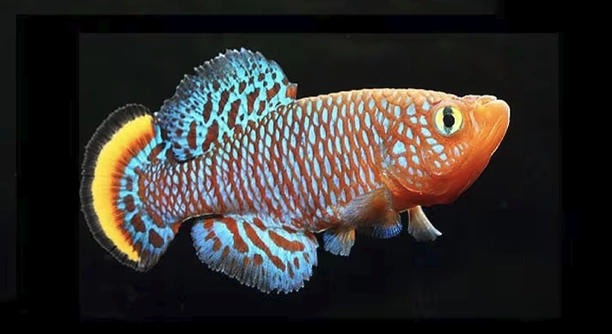
Many people enjoy keeping killi fish because of their bright colors and unique behaviors. These small fish are often chosen for home aquariums, especially by beginners. Their care needs can vary, which makes understanding their environment important.
Killi fish can survive in small bowls, but only if conditions are carefully managed. Proper filtration, regular water changes, and adequate space for swimming are essential to maintain their health. Small bowls often limit these factors, making long-term survival challenging.
Knowing how to create a suitable habitat helps ensure your killi fish stay healthy and vibrant. This article will guide you through the basics of caring for them in smaller containers.
Understanding Killi Fish Needs
Killi fish are small, active swimmers that require specific conditions to thrive. Although they can live in small bowls, these containers often lack enough space for them to swim freely. The limited water volume can also cause rapid changes in temperature and water quality, which stresses the fish. They prefer clean, well-oxygenated water with stable conditions. Providing hiding spots with plants or decorations helps them feel secure. Small bowls may not support proper filtration, so regular water changes become very important. Without good water quality, killi fish are more prone to diseases and shorter lifespans. Paying attention to water parameters such as pH and temperature is key, as these can fluctuate quickly in small environments. It’s also important to avoid overfeeding, since leftover food can pollute the water. Meeting these basic needs in a small bowl requires careful effort to keep your fish healthy and happy.
Proper care means frequent water changes and monitoring water quality closely.
Killi fish can adapt to small spaces, but consistent maintenance is essential for their well-being and longevity.
Choosing the Right Bowl Size
A bowl that is too small can limit the health of killi fish.
While killi fish do not require large tanks, bowls smaller than one gallon are generally not recommended. A minimum of two to three gallons provides better water stability and more room for the fish to swim. Larger bowls help maintain water quality for longer periods and reduce the risk of rapid temperature shifts. Bowls with a wider surface area also allow for better oxygen exchange, which benefits the fish. Choosing a bowl with enough space to add plants and decorations will improve the fish’s environment. When selecting a bowl, consider ease of cleaning and the ability to add filtration or aeration devices. Although it may seem convenient to keep killi fish in very small bowls, a slightly larger container will make their care easier and promote a healthier life. Taking this small extra step can make a big difference in their comfort and survival.
Feeding Killi Fish in Small Bowls
Feeding killi fish the right amount is crucial in small bowls. Overfeeding can quickly pollute the water.
Killi fish have small stomachs and need only a few pellets or flakes once or twice a day. Feeding more than they can eat in a few minutes leads to leftover food, which decomposes and harms water quality. Small bowls have less water to dilute waste, so keeping feeding minimal helps keep the water clean. It’s best to observe how much your fish consume and adjust accordingly.
Varied food improves their health. Live or frozen foods like brine shrimp or daphnia add nutrition and stimulate natural hunting behavior. Avoid overfeeding, and always remove uneaten food promptly. Feeding carefully supports their well-being, especially in limited water environments.
Maintaining Water Quality
Clean water is vital for killi fish survival in small bowls.
Water changes are necessary to reduce toxins and keep the environment stable. Change about 25-50% of the water once or twice a week. Use dechlorinated water at the right temperature to avoid shocking the fish. Testing water for ammonia, nitrites, and nitrates helps track water health. Small bowls are more sensitive to waste buildup, so regular checks are important.
Using a small sponge filter or gentle aeration can improve water circulation and oxygen levels. Avoid strong currents that may stress the fish. Good water quality reduces stress and disease risks. Proper maintenance keeps killi fish healthy and comfortable even in small spaces.
Tank Decorations and Plants
Adding plants and decorations helps killi fish feel secure.
Live plants improve water quality by absorbing waste and providing oxygen. They also create hiding spots, reducing stress for the fish.
Temperature Control in Small Bowls
Killi fish prefer temperatures between 72°F and 78°F. Small bowls heat up or cool down quickly, so keeping the water temperature stable is important. Avoid placing the bowl near windows or vents where temperature changes are frequent. Using a small heater designed for tiny tanks can help maintain the right temperature, especially in cooler rooms. Stable temperature prevents stress and supports healthy fish behavior.
Lighting Considerations
Moderate lighting helps live plants grow and keeps killi fish active. Too much light can cause algae growth and stress. Aim for 8 to 10 hours of light daily, using a gentle, indirect source to avoid overheating the small bowl.
FAQ
Can killi fish live happily in a small bowl?
Killi fish can survive in small bowls if the environment is carefully maintained. However, small bowls require frequent water changes and monitoring to keep water clean and stable. Without proper care, the limited space and water volume can stress the fish, leading to health problems. Giving them enough space to swim and hiding spots improves their well-being. While a small bowl may work temporarily, a slightly larger tank is usually better for long-term health.
How often should I change the water in a small bowl?
In small bowls, water changes are essential and should be done about once or twice a week. Changing 25-50% of the water helps remove waste and toxins that build up quickly. Always use dechlorinated water that matches the bowl’s temperature to avoid shocking the fish. Skipping water changes can cause poor water quality, harming your killi fish’s health.
What do killi fish eat in a small bowl setup?
Killi fish eat small pellets, flakes, and live or frozen foods like brine shrimp or daphnia. Feeding them once or twice daily in small amounts is best to avoid leftover food. Uneaten food pollutes the water quickly in small bowls. Offering varied food keeps them healthy and encourages natural behavior.
Can I use a filter in a small bowl?
Using a small sponge filter or gentle aeration can improve water quality and oxygen levels in a small bowl. Strong filters or currents should be avoided because killi fish prefer calm water. If a filter is not possible, frequent water changes become even more important.
How do I keep the water temperature stable?
Small bowls are sensitive to temperature changes. Avoid placing the bowl near drafts, windows, or direct sunlight. Using a small heater made for tiny tanks can help keep the water between 72°F and 78°F. Stable temperature reduces stress and helps the fish stay healthy.
Are live plants necessary in a small bowl?
Live plants are not required but highly recommended. They help absorb waste, improve oxygen levels, and provide hiding spots. Plants also make the environment more natural and comfortable for killi fish. Choose easy-to-care-for plants that don’t need strong lighting.
What are signs that my killi fish is stressed?
Signs of stress include erratic swimming, hiding constantly, loss of color, or refusing food. Poor water quality, incorrect temperature, or overcrowding are common causes. Checking water parameters and improving tank conditions usually helps reduce stress.
How big should the bowl be for a pair of killi fish?
A bowl of at least two to three gallons is better for a pair of killi fish. This size offers more stable water conditions and swimming space. Smaller than this, and it becomes harder to keep the water quality safe.
Can killi fish breed in small bowls?
Breeding killi fish in small bowls is difficult due to limited space and water quality challenges. If you want to breed them, a larger tank with proper conditions is best. Small bowls may cause stress and reduce the chances of successful breeding.
What maintenance routine should I follow?
Maintain your killi fish bowl by testing water weekly, changing water regularly, feeding sparingly, and cleaning decorations as needed. Keep an eye on fish behavior and appearance for any health issues. Regular care ensures your fish live a comfortable life, even in small spaces.
Killi fish are beautiful and interesting pets that many people enjoy keeping. They are small and colorful, which makes them a popular choice for home aquariums. While it is possible to keep killi fish in small bowls, it requires careful attention to their needs. Small bowls can be more difficult to maintain because water quality changes quickly, and there is less space for the fish to swim. If you decide to keep killi fish in a small bowl, you must be ready to do regular water changes and monitor their environment closely to keep them healthy.
Providing the right care for killi fish in small bowls means balancing many factors. Water quality is one of the most important things to watch. Since waste and leftover food build up faster in small spaces, it is necessary to clean the water often. Feeding the fish the right amount is also very important because overfeeding can pollute the water quickly. Adding live plants and decorations can help improve the environment by giving the fish places to hide and improving oxygen levels. Maintaining a stable temperature and gentle lighting also plays a big role in keeping the fish comfortable. All these efforts together help create a healthier space where killi fish can live better even in smaller containers.
Although small bowls can work for killi fish, larger tanks are usually easier to care for and better for the fish’s long-term health. Bigger tanks hold more water, which helps keep the environment more stable and less stressful for the fish. If you are new to keeping killi fish, starting with a slightly larger tank might be less challenging and more rewarding. Still, if you choose a small bowl, consistent care and attention are key. Knowing how to meet their basic needs in a small space will help you enjoy watching these colorful fish thrive and stay active for a long time.

Hello,
If you enjoy the content that we create, please consider saying a "Thank You!" by leaving a tip.
Every little bit helps us continue crafting quality advice that supports the health, happiness, and well-being of pets around the world, for pets of all shapes, sizes, and species.
We really appreciate the kindness and support that you show us!