
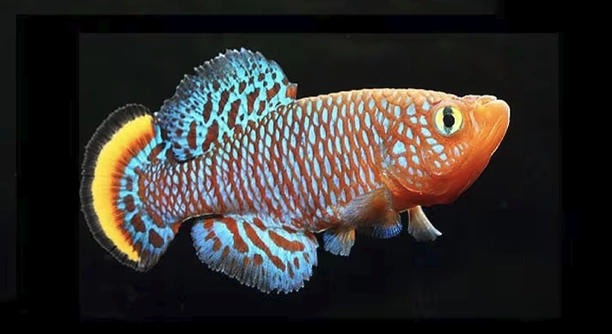
Have you ever tried encouraging fish to breed, only to find they won’t even begin to pair up in your aquarium?
The most effective way to encourage breeding in aquarium fish is to create a tank environment that mirrors their natural habitat. Proper layout, water parameters, and shelter options all play a key role in successful reproduction.
These seven tank designs are tailored to improve comfort, reduce stress, and help your fish feel safe enough to begin the breeding process.
Planted Tank with Dense Vegetation
A densely planted tank is ideal for fish that need shelter to breed. Plants like Java moss, hornwort, and Amazon swords offer excellent cover and mimic the fish’s natural habitat. These plants help reduce stress, which is essential for breeding. When fish feel secure, they’re more likely to exhibit natural courtship behaviors. The plants also serve as a surface for egg laying, especially for species like tetras and gouramis. In addition, live plants improve water quality by absorbing excess nutrients and providing oxygen. Keep the lighting moderate and use a soft substrate to complete the environment. Clean water and stable temperature will support plant growth and fish health. Avoid strong currents that may disturb the plants or the fish. Try to use natural décor to blend with the plants and avoid anything too bright or artificial. This type of tank is low-maintenance and supports both aesthetics and functionality.
Thick vegetation keeps fish calm and encourages natural breeding patterns. It’s ideal for species that lay eggs among plants or need quiet areas.
It also helps fry survive by giving them places to hide from adults. This is especially important if you plan to keep all stages of life in one tank.
Clay Pot Breeding Tank
Small clay pots are excellent for species that lay eggs in enclosed spaces. Fish like cichlids often prefer private areas to spawn and care for their eggs.
A clay pot setup is both simple and highly effective. Use a few small, overturned clay pots with openings wide enough for your fish to enter. Place the pots on a soft substrate, and surround them with a few smooth stones or low plants. This gives fish a secluded, natural feeling space. Cichlids and similar species appreciate this kind of structure because it mimics caves found in nature. It also allows them to guard their eggs in peace. Make sure the tank has proper filtration and water stability. Clean the pots with hot water before use to remove any residues. Avoid pots with sharp edges or glaze, as they can harm the fish. Using dim lighting will also help the fish feel more secure and more likely to breed.
Leaf Litter Breeding Setup
Some fish feel safest when there’s leaf litter covering the tank floor. It softens the environment, buffers pH, and creates a calm setting perfect for breeding.
Use dried Indian almond leaves or oak leaves to cover the substrate. These leaves release tannins that slightly darken the water, which mimics blackwater habitats. Fish like bettas, apistos, and pencilfish thrive in these setups. The leaves also create hiding spots for fry and encourage natural behavior in adults. Make sure to remove leaves if they start to break down too much, as this can affect water quality. Replace them regularly to keep the environment stable. Keep the lighting low and avoid adding bright decorations. Use a sponge filter to reduce strong currents and keep the water clean without disturbing the leaf bed. A secure lid is also helpful for fish that tend to jump in low-light tanks.
The natural look of a leaf-litter tank makes fish feel relaxed and secure. It supports spawning behaviors and helps fry survive their early days by offering shelter. These setups also promote the growth of microorganisms that young fish can feed on in their first weeks of life.
Breeding Divider Tank
Divider tanks allow you to control interactions between fish without removing them from the same tank. This helps condition them for breeding while keeping them safe.
Set up a clear or mesh divider in the tank so fish can see each other but remain separated. This is especially useful for aggressive or territorial breeders like bettas and gouramis. Use gentle lighting and stable water conditions to help reduce stress. Introduce the divider days before attempting to breed so the fish become familiar with each other. Monitor their behavior and only remove the divider if both fish are calm and showing interest. After spawning, replace the divider or remove one fish to protect the eggs or fry. These tanks give you flexibility without needing separate setups. Use plants or decorations on both sides of the divider to make each space feel complete and comfortable for the fish.
Breeding Mound Setup
This design works well for fish that create and defend nests. Species like some cichlids and certain loaches will gather substrate to build their breeding mound.
Use fine sand or smooth gravel and place flat rocks nearby. Keep the tank peaceful to prevent stress and allow natural breeding behaviors to show.
Bubble Nesting Tank
Bubble nesters, like bettas and gouramis, prefer still water and floating plants. These tanks need gentle filtration, soft lighting, and calm surroundings. Add floating plants such as water lettuce or frogbit to support the nest. Warm temperatures around 78–80°F encourage nest building. Avoid strong currents and keep surface movement low.
Cave Breeder Tank
Cave breeders need dark, secure hiding spaces. Use coconut shells, ceramic tubes, or rock structures with tight openings to mimic natural caves. Keep the tank quiet and low-stress.
How important is tank size for breeding success?
Tank size plays a crucial role in fish breeding. Smaller tanks can lead to stress due to limited space and poor water quality. Larger tanks provide more stable environments and reduce aggressive behavior by giving fish enough room to establish territories. Depending on the species, some fish require extra space to build nests or for fry to swim safely. A cramped tank can discourage breeding or cause the parents to eat the eggs or fry. For example, cichlids often need at least 20 gallons to breed comfortably, while smaller species like tetras might do well in 10 to 15 gallons. Proper tank size supports better water quality management, which is essential for both egg development and fry survival.
What water parameters encourage breeding?
Water temperature, pH, hardness, and cleanliness all influence breeding success. Most tropical fish breed best in stable temperatures between 75°F and 82°F, but some species have specific needs. Soft, slightly acidic water encourages breeding in species like discus and angelfish, while others, such as livebearers, prefer harder, more alkaline water. Regular water changes help maintain cleanliness and reduce toxins that may harm eggs or fry. Gradual changes in temperature or simulating rainy seasons can trigger spawning behavior in some fish. Using a reliable test kit to monitor water conditions ensures that parameters stay within the species’ preferred range.
Can all fish breed in community tanks?
Not all fish breed easily in community tanks. Aggressive or territorial species may harm eggs or fry if other fish invade their space. Many species require specific conditions and privacy for breeding that community tanks don’t provide. Livebearers like guppies sometimes breed in community tanks because they scatter eggs and fry quickly hide. Egg layers or cave breeders usually need separate tanks or dividers to protect their offspring. The risk of predation is high in community tanks, making survival rates for fry low. Separating breeding pairs or using breeding tanks improves success and protects young fish from being eaten.
How can I protect fry in a breeding tank?
Fry are vulnerable to being eaten by adults or other fish. Adding plenty of hiding places like plants, moss, or breeding cones helps protect them. Using a breeding box or separate nursery tank keeps fry safe until they grow strong enough to join the main tank. Feeding the fry tiny, nutritious foods regularly improves their chances of survival. Avoid overfeeding adults to reduce aggression. Removing the parents after spawning is sometimes necessary if they show signs of eating the eggs or fry. Clean water and stable conditions support healthy fry development.
What role does diet play in encouraging breeding?
A balanced, nutritious diet prepares fish for breeding. High-quality live or frozen foods like brine shrimp, bloodworms, and daphnia improve health and stimulate spawning behavior. Conditioning fish with richer foods over several weeks increases fertility and egg quality. Avoid feeding only flakes or pellets during breeding preparation, as these may lack necessary nutrients. Proper feeding also helps parents maintain energy to care for eggs and fry in some species. A varied diet mimics natural food sources and boosts the overall wellbeing of breeding fish.
How often should I clean a breeding tank?
Cleaning frequency depends on tank size and stocking levels but should avoid disturbing eggs or fry. Partial water changes of 10–20% weekly keep water clean without stressing fish. Remove uneaten food and waste carefully using a siphon, taking care not to suck up fry or eggs. Avoid complete tank cleanings during breeding as this can cause sudden changes in water parameters and disrupt breeding behaviors. Maintaining good filtration and stable water conditions supports both adult fish and fry health. Regular monitoring is key to timely cleaning.
Are lighting conditions important for breeding?
Lighting affects fish behavior and breeding readiness. Many fish breed better with a consistent day/night cycle, often around 10–12 hours of light daily. Some species prefer dim lighting or shaded areas to feel secure when spawning. Bright lights can cause stress or discourage natural behavior. Using floating plants or adjustable lights allows control over brightness. Simulating natural light cycles helps fish stay on a breeding schedule, especially when combined with temperature and water changes.
Can breeding tanks be used for raising fry?
Breeding tanks often double as fry tanks, but conditions must support young fish needs. Fry require gentle filtration, plenty of hiding spots, and appropriate food size. Many breeding tanks have sponge filters that avoid sucking up small fry. Space should be enough to allow fry to swim freely but small enough for easy feeding and cleaning. Sometimes fry tanks are separate from breeding tanks to protect the fry from aggressive adults. Monitoring water quality and feeding schedules closely is essential to help fry develop properly before moving them to larger tanks.
How do I know when fish are ready to breed?
Fish readiness is shown by physical changes and behaviors. Males often become more colorful or develop breeding marks, while females may appear rounder with eggs. Courtship behaviors like chasing, fin flaring, or nest building indicate breeding readiness. Some species become more territorial or change swimming patterns. Observing these signs helps time breeding attempts. Proper diet and tank conditions also encourage readiness. If fish remain uninterested, adjusting water parameters or tank setup can help stimulate natural breeding instincts.
Is it necessary to use breeding hormones or chemicals?
Most fish breed naturally without hormones or chemicals if conditions are right. Hormones are usually reserved for difficult-to-breed species or in commercial breeding. Using them without experience can harm fish health or cause stress. It is best to focus on creating a natural environment with proper water quality, diet, and habitat to encourage breeding. Patience and observation often lead to successful breeding without artificial aids. If considering hormones, seek advice from experts and understand risks before use.
Breeding fish successfully often depends on creating the right environment. Each species has unique needs that influence how they behave and reproduce. Setting up a tank that mimics their natural habitat can reduce stress and encourage natural breeding patterns. Whether it’s using plants, leaf litter, caves, or breeding dividers, the goal is to provide fish with comfort and security. Careful attention to water conditions, tank size, and décor supports both the adults and their offspring. When fish feel safe and their basic needs are met, they are more likely to breed and raise healthy fry.
It is important to remember that patience and observation are key parts of the breeding process. Fish may not start breeding immediately, even when conditions are right. They need time to adjust, build trust with tank mates, and show natural behaviors. Watching for signs like changes in color, behavior, and nest building helps identify when fish are ready to spawn. Keeping water clean, feeding a nutritious diet, and maintaining stable temperature and lighting create an environment where fish can thrive. These small efforts greatly increase the chances of successful breeding.
Finally, protecting eggs and fry is just as important as encouraging breeding itself. Many species require hiding places or separate spaces to keep young fish safe from predators, including adult fish. Using plants, breeding boxes, or nursery tanks helps fry grow with less risk. Regular monitoring and gentle tank maintenance support the health of both parents and young. Understanding the needs of your specific fish and tailoring tank design accordingly will make the breeding experience more rewarding and successful over time.

Hello,
If you enjoy the content that we create, please consider saying a "Thank You!" by leaving a tip.
Every little bit helps us continue crafting quality advice that supports the health, happiness, and well-being of pets around the world, for pets of all shapes, sizes, and species.
We really appreciate the kindness and support that you show us!