
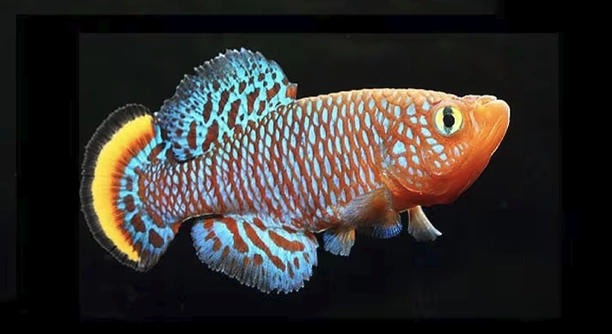
Have you ever watched your aquarium and noticed one of your fish suddenly leap into the air without warning?
Not all killifish are jumpers by nature, but many species are known for their remarkable jumping ability. This behavior often serves as a survival tactic in the wild, helping them escape predators or reach new habitats during seasonal changes.
Some killifish are more prone to jumping than others, depending on their species and environment. Keep reading to learn which ones are most likely to leap and why it matters for your tank setup.
Why Some Killifish Jump More Than Others
Killifish are a diverse group with over a thousand species, and their behaviors can vary widely. Many jump in the wild to avoid predators, find food, or move between temporary water sources. Species like Nothobranchius or Aphyosemion are especially known for their jumping habits. Their natural habitats often dry out seasonally, pushing them to move quickly and adapt for survival. This instinct remains strong even in captivity. A tight-fitting lid is necessary to prevent injuries or escape. Their jumping behavior isn’t random—it’s closely tied to their biology and environmental needs, even in home aquariums.
Some species remain mostly at the bottom of the tank and rarely show any interest in jumping.
If your killifish jumps often, it may be reacting to stress, sudden changes in water quality, or a lack of space. A calm, well-maintained tank can help reduce this behavior. Providing plenty of plants and hiding spots also helps.
How to Reduce Jumping in Your Tank
Many fishkeepers are surprised by how quickly killifish can leap out of their tanks. Simple steps can reduce the risk and keep them safe.
Always keep a secure lid on your aquarium. Even small gaps can lead to an escape. Keep the water level a few inches below the top. Dim lighting and floating plants can help reduce sudden movements. Monitor water parameters often, as spikes in ammonia or temperature may cause panic. Avoid overcrowding and choose tank mates carefully. Fast or aggressive fish can stress killifish and increase the likelihood of jumping. Offering a stable environment helps them feel secure. Feeding them regularly and keeping routines consistent also minimizes stress. If your tank setup mimics their natural habitat with soft lighting, gentle water flow, and lots of hiding spots, jumping is less likely to occur. Observing your fish daily will help you spot any changes and adjust quickly.
Signs Your Killifish Might Be Ready to Jump
Frequent darting near the surface, sudden bursts of energy, or unusual pacing can be signs your killifish is preparing to jump. These movements often signal stress, discomfort, or a strong urge to escape something in their environment.
Changes in tank conditions, like temperature shifts or loud noises, can cause your killifish to react by jumping. If the tank is too small or crowded, the fish might also act out. Fish jumping doesn’t always mean something is wrong, but it does signal that the environment might need adjusting. Watching for these signs can help you respond early. Look out for rapid gill movement or sudden starts when the lights switch on. Even water changes done too fast can unsettle them. Taking note of what happens before the jump can help you identify patterns and fix problems before they become harmful.
Some killifish jump when there is too much activity outside the tank, such as movement, shadows, or vibrations. Keeping their environment calm and consistent is essential. You can reduce outside stress by covering the back and sides of the tank with background material and keeping the tank in a quiet room. The more stable the environment, the less likely your killifish will feel the need to escape.
Environmental Triggers That Influence Jumping
Light plays a big role in how comfortable your killifish feels. Sudden changes, like switching the lights on or off too quickly, can startle them. It’s best to use a timer and allow the light to fade in and out gradually if possible.
Water parameters matter more than many realize. Ammonia spikes, high nitrates, and low oxygen levels can all increase stress, making jumping more likely. Regular testing keeps conditions steady. Keep temperatures in the appropriate range for the species, and perform partial water changes on a consistent schedule. Even low water flow or poor filtration can affect behavior. Another overlooked factor is tank layout. If your tank lacks plants or hiding spots, killifish may feel exposed and unsettled. Place tall plants or decorations near the surface to break open space and provide comfort. Adding floating plants can also help them feel secure and block out sudden light.
Differences Between Wild and Captive Killifish
Wild killifish are more likely to jump because they’ve adapted to unpredictable environments. They move between pools or escape predators often. In captivity, they still carry those instincts, even when the risks are no longer present in a home tank.
Captive-bred killifish may jump less often, but the behavior isn’t completely gone. It depends on their genetics and the environment they are raised in. Even in well-maintained tanks, some individuals will still leap unexpectedly due to sudden changes or natural reflexes.
Tank Setup Tips to Prevent Jumping
Use a tight-fitting lid without gaps, especially around equipment. Lower the water level slightly to reduce the chance of jumping over the edge. Add floating plants and tall decorations to block open space. Provide plenty of hiding spots at different levels of the tank. Reduce strong currents and bright lighting. Limit loud sounds and movement around the tank. Keep water parameters stable, and avoid sudden changes. Observe your fish daily and respond to any signs of stress. A calm environment helps your killifish feel safe and reduces the urge to leap out of the tank.
Final Thoughts on Killifish Behavior
Killifish jumping can often be managed with proper care, stable conditions, and a thoughtful tank setup. Their behavior is natural, but your actions can make a big difference.
FAQ
Do all killifish jump?
Not all killifish jump, but many species are known for it. Some, like Aphyosemion and Nothobranchius, are strong jumpers because of their natural habitats. Others, especially tank-bred types, may not show this behavior as often. It depends on genetics, environment, and how the fish were raised. Even within the same species, some individuals may jump more than others. Always prepare your tank as if jumping could happen, even if your current fish seem calm. A covered tank is the best way to avoid surprises.
What causes a killifish to jump out of the tank?
Jumping usually happens when the fish feels threatened or uncomfortable. Changes in water quality, bright lights, loud sounds, or aggressive tank mates can trigger this behavior. Poor tank conditions or lack of hiding places may also cause stress. Killifish may also jump during feeding if startled. In some cases, it’s instinct—something passed down from their wild ancestors who needed to move between drying pools. Understanding your fish’s behavior and environment helps reduce this risk. Try to notice any patterns that lead to jumping episodes.
Can I train my killifish not to jump?
You can’t train a killifish the way you might train a dog, but you can manage the environment to reduce jumping. Make their space feel safe and predictable. Feed at regular times, avoid loud noises, and keep the lighting consistent. Providing cover and floating plants can also help. Over time, the fish may feel less jumpy, but the instinct can still return if they feel threatened. It’s about creating comfort, not control. Consistency and calm surroundings are key.
Do all killifish species jump equally?
No, not all species jump equally. Some are more active or nervous, especially those from seasonal environments where jumping helps survival. Austrolebias and Fundulopanchax are known to jump more often than others. Species that live in more stable waters tend to be calmer. Captive-bred strains, especially those raised in peaceful tanks, often show less intense jumping. Researching the specific needs of your killifish species will help you understand how likely they are to jump.
Is a lid always necessary for a killifish tank?
Yes, a lid is necessary. Even if your fish has never jumped before, that can change suddenly. Lids protect against escape, injury, and even other pets. Some lids have small openings for filters or feeding, and those should be covered too. Use mesh or sponge to close gaps without blocking airflow. A secure lid gives peace of mind and helps maintain humidity, which benefits some killifish species.
What are the best tank conditions to reduce jumping?
A calm tank with clean, stable water is best. Avoid overcrowding, aggressive fish, and harsh lighting. Keep the water temperature within the preferred range for your species. Add live or silk plants, floating plants, and hiding areas. Use a gentle filter to avoid strong currents. Check ammonia, nitrite, and nitrate levels regularly. Gradual changes in lighting and temperature also help reduce stress. Everything should feel calm and predictable to your fish.
Do killifish jump more at night?
Some killifish do jump more during the night, especially if they are startled by sudden noise or lights. Without natural light cycles, they may become more restless. A soft night light or ambient lighting in the room can help avoid sudden darkness. It’s also helpful to avoid moving near the tank suddenly after lights go out. Fish rely on routines, and anything that breaks that can cause panic.
Can jumping injure a killifish?
Yes, jumping can lead to injury or death. A fish that lands outside the tank may not survive long without water. Even if it lands back inside, it could hit the lid or decorations and injure its body or fins. Bruising, fin tears, or internal damage can happen. Prevention is safer than trying to treat injuries later. Make your tank a secure space to avoid these accidents.
Why does my killifish jump during water changes?
Fast water changes can be stressful. If the temperature or chemistry shifts too quickly, the fish may react by jumping. Always match the new water’s temperature and add it slowly. Use a bucket or drip system instead of pouring all at once. Turn off strong lights and reduce movement around the tank while changing the water. Some fish associate water changes with danger, especially if they’ve had bad experiences before. Slow and steady is best.
Can jumping be a sign of happiness or play?
It’s unlikely. Killifish don’t jump for fun. Jumping usually signals stress, fear, or an attempt to escape. A healthy, content killifish tends to swim calmly and use all parts of the tank. While brief, playful movement might look like fun, real jumping tends to come from discomfort. Watching their behavior closely helps you understand what’s normal and what isn’t. If jumping becomes frequent, something in the tank may need adjusting.
Final Thoughts
Killifish are interesting and colorful fish, but their jumping behavior can catch people off guard. While not every killifish is a jumper, many have strong instincts that make them more likely to leap from the tank. This behavior is natural for some species and has helped them survive in the wild. Even when kept in a safe home aquarium, these instincts do not completely go away. Some killifish may never jump, while others may leap suddenly, especially when stressed or startled. It’s always best to assume your killifish might jump and set up the tank with that in mind.
A proper tank setup can make a big difference. Using a secure lid, lowering the water level slightly, and adding floating plants can help prevent accidents. Keeping the tank calm, clean, and consistent also plays an important role. Avoid overcrowding, keep tank mates peaceful, and make slow changes to lighting or water. These small actions help your killifish feel secure. Observing your fish daily will also help you catch signs of stress early. If you notice your killifish acting restless or darting toward the surface often, take time to review their surroundings. Adjusting the environment may reduce the chance of jumping.
Understanding your fish’s behavior and needs helps you care for them better. Killifish are not difficult to keep, but they do need a little extra attention when it comes to safety. Their jumping is not always a sign of danger, but it should never be ignored. With the right precautions, you can reduce the risk and keep your killifish safe in their tank. Each fish is different, and over time, you’ll get to know what helps yours feel comfortable. Whether your killifish is highly active or more relaxed, setting up a secure and peaceful environment is the best way to support their natural behavior while keeping them safe.

Hello,
If you enjoy the content that we create, please consider saying a "Thank You!" by leaving a tip.
Every little bit helps us continue crafting quality advice that supports the health, happiness, and well-being of pets around the world, for pets of all shapes, sizes, and species.
We really appreciate the kindness and support that you show us!