
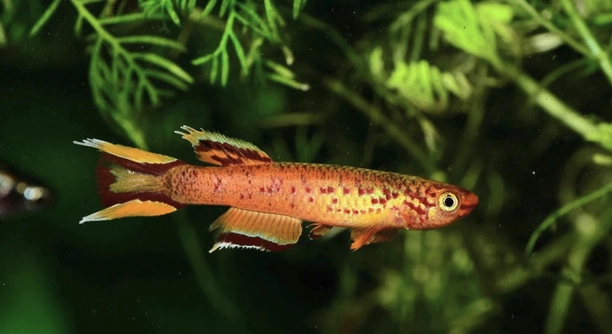
Curved spines in killifish fry can be a troubling sight for hobbyists and breeders. These small fish often develop spinal deformities early in life, affecting their movement and overall health. Understanding the causes helps in better care and prevention.
Curved spines in killifish fry primarily result from genetic factors, poor water quality, nutritional deficiencies, and improper tank conditions. These stressors interfere with normal skeletal development, leading to deformities that impair fish growth and survival.
Identifying the causes behind spinal curvature can improve your fish’s wellbeing and guide you toward healthier breeding practices.
Genetic Factors Behind Curved Spines
Genetics play a significant role in causing curved spines in killifish fry. Some strains carry genes that predispose the fish to skeletal deformities. When breeding killifish, these traits can be passed down, especially if selective breeding is not carefully managed. Inbreeding increases the risk, as it reduces genetic diversity and raises the chances of harmful traits emerging. This is why maintaining a healthy breeding population with diverse genetics is important. Also, some deformities may appear spontaneously, but genetic weakness is often a root cause. Monitoring your breeding stock and avoiding breeding fish with visible deformities can reduce the chances of passing on these spinal issues. Keeping good records helps identify which lines produce healthier offspring, aiding in improving the stock over time.
Understanding genetic influences gives you a better grasp on how to prevent spinal deformities from becoming widespread in your killifish.
Controlling genetic risks through careful breeding practices improves the overall health and vitality of your killifish fry. It ensures fewer curved spines and stronger, more resilient fish.
Environmental and Water Quality Impacts
Poor water quality and inappropriate environmental conditions greatly affect spine development. Killifish fry are sensitive to parameters like pH, temperature, and ammonia levels. High ammonia or nitrite concentrations stress the fish, interfering with normal growth and sometimes causing deformities. Sudden changes in temperature or pH can also disrupt development. Providing stable, clean water with regular monitoring and changes is crucial. A well-maintained tank supports proper bone formation and reduces the risk of spinal curvature. Filtration and partial water changes keep toxins low and oxygen high, creating a healthy environment. Overcrowding worsens water quality and adds stress, making fry more vulnerable. Attention to these details creates better conditions for fry to grow straight and strong, avoiding deformities that arise from environmental stress.
Environmental factors must be controlled to protect the fragile development stages of killifish fry and prevent lasting damage. Consistent water quality management supports their skeletal health.
Nutritional Deficiencies and Their Effects
Lack of proper nutrients can lead to curved spines in killifish fry. Essential vitamins and minerals are necessary for healthy bone growth and development.
A diet low in vitamins like A, C, and D can weaken the skeletal structure. Calcium and phosphorus imbalance also affects bone strength. Feeding fry a varied diet that includes high-quality flakes, live foods, and supplements helps meet their nutritional needs. Neglecting this can cause deformities, slow growth, and weak immune systems. Ensuring balanced nutrition during early stages is key to preventing spine issues.
Supplementing with vitamin-rich foods and carefully managing diet diversity improves fry health. Providing adequate nutrition supports normal development and reduces the risk of spinal deformities.
Tank Conditions and Stress
Overcrowded tanks increase stress, which can contribute to curved spines. Fry need space to swim and grow without constant competition or aggression.
Stress from poor tank conditions weakens the immune system and disrupts development. Sharp water flow or rough handling can physically harm fragile fry, increasing deformity risk. Maintaining a calm, stable environment with proper hiding places reduces stress. Frequent monitoring and gentle care lower injury chances. Adjusting stocking levels and improving habitat conditions helps fry grow straight and healthy. Taking these steps creates a better environment for development and reduces the likelihood of spinal problems in killifish fry.
Genetic Screening and Selective Breeding
Genetic screening helps identify fish with desirable traits, reducing the risk of curved spines. Selective breeding improves stock quality over time.
Avoid breeding killifish with visible deformities. Maintaining genetic diversity limits inherited spinal problems and promotes healthier offspring.
Importance of Water Testing
Regular water testing detects harmful levels of ammonia, nitrites, and nitrates. Keeping these parameters stable prevents stress and supports normal development in fry.
Supplementing Diets
Adding vitamins and minerals to fry diets helps prevent nutritional deficiencies that cause spine deformities. Quality supplements can make a difference.
Handling Fry Carefully
Rough handling or sudden movements can injure delicate fry. Gentle care reduces physical stress and lowers the risk of spinal curvature.
FAQ
What are the first signs of a curved spine in killifish fry?
Early signs include a visible bend or curve along the back of the fry. They may also swim awkwardly or have difficulty maintaining balance. Some fry appear shorter or less active compared to their siblings.
Can curved spines be reversed once noticed?
Unfortunately, once the spine is curved, it rarely straightens on its own. Providing optimal care can prevent worsening, but genetic or developmental deformities are usually permanent. Focus is best placed on prevention.
How can I prevent curved spines in future batches?
Use healthy breeding stock with no deformities, maintain stable and clean water conditions, feed a balanced diet rich in essential nutrients, and avoid overcrowding. Monitoring water quality and regular tank maintenance are critical.
Is it safe to keep fry with curved spines in the same tank as healthy fry?
Yes, but watch for bullying or stress. Sometimes affected fry become targets, which can worsen their condition. If aggression occurs, consider separating them to reduce stress and injury.
Does water temperature affect spinal development?
Yes, extreme or fluctuating temperatures can stress fry and interfere with bone growth. Keep water temperature stable within the species’ recommended range to support proper development.
Are certain killifish species more prone to curved spines?
Some species or strains have higher genetic susceptibility due to inbreeding or limited gene pools. Research your specific species and source healthy breeders from reputable suppliers to reduce risk.
What role does diet play in preventing spinal deformities?
Diet is critical. Lack of vitamins like A, C, and D and minerals such as calcium impairs bone growth. Providing varied food, including live and fortified flakes, supports strong skeletal development.
Can poor water quality alone cause curved spines?
Yes, toxins like ammonia and nitrites stress fry and damage tissues, including developing bones. Maintaining clean water with proper filtration and regular changes is essential for healthy fry.
How often should water parameters be tested?
Test water at least once a week during fry development. Frequent checks help catch harmful changes early and allow prompt corrective action, minimizing risks to spinal health.
Are supplements necessary for all killifish fry?
Supplements are not always required if the diet is balanced. However, adding vitamins and minerals can prevent deficiencies and support optimal growth, especially when feeding mainly commercial foods.
What is the impact of overcrowding on spinal health?
Overcrowding increases stress, waste buildup, and competition for food. This environment weakens fry and makes deformities more likely. Keeping fry in appropriate numbers improves survival and health.
Can stress cause curved spines in adult killifish?
Stress affects overall health, but curved spines typically develop during early growth stages. In adults, stress may cause other health issues but is less likely to change spine shape.
Is there a way to treat curved spines medically?
No established medical treatment exists for spinal curvature in killifish fry. Focus is on prevention through good breeding, nutrition, and environment rather than cure.
Should affected fry be removed from the breeding program?
Yes, removing fry with deformities helps prevent passing genetic issues to future generations. Careful selection maintains healthier lines over time.
How does inbreeding contribute to spinal deformities?
Inbreeding reduces genetic diversity and increases harmful recessive traits, including spinal deformities. Avoiding close-relative breeding lowers these risks and supports healthier fry.
Can changing tank conditions fix existing curved spines?
Improving conditions prevents further damage but does not reverse existing spinal curvature. Consistent care is crucial to avoid additional health problems.
What is the best environment for killifish fry growth?
A stable, clean tank with proper temperature, gentle water flow, adequate hiding spots, and low stocking density creates the best environment for healthy skeletal development.
Are live foods better than flakes for preventing deformities?
Live foods often provide more complete nutrition and promote natural feeding behavior. Combining live foods with quality flakes ensures a balanced diet that supports bone health.
How long does it take to notice spinal deformities after fry hatch?
Deformities often appear within the first few weeks of life, during rapid growth phases. Early monitoring allows quicker intervention to improve care and reduce further harm.
Is it common to see curved spines in wild killifish populations?
Spinal deformities are less common in wild populations due to natural selection and genetic diversity. Captive breeding conditions can increase their frequency if not carefully managed.
Curved spines in killifish fry are a common issue that can arise from several factors. Genetics, water quality, nutrition, and tank conditions all play important roles in the development of spinal deformities. Understanding these causes helps you take better care of your fish and reduce the chances of curved spines appearing. While some factors like genetics can be harder to control, others such as water quality and diet can be managed more easily with careful attention. Maintaining a clean and stable environment with proper feeding routines goes a long way in supporting healthy growth.
Breeding practices have a significant impact on the health of killifish fry. Avoiding inbreeding and selecting healthy breeding pairs reduce the likelihood of passing on deformities. Keeping detailed records and being cautious about the genetic background of your fish helps improve stock over time. It is also important to separate fry with noticeable deformities from breeding programs to prevent hereditary problems from spreading. Alongside genetics, environmental conditions such as proper water parameters and reduced stress are essential. Regular water testing and avoiding overcrowding make a difference in fry development and overall wellbeing.
Taking a proactive approach to care will help prevent many issues related to curved spines. Feeding a balanced diet rich in vitamins and minerals supports bone formation and growth. Using supplements or live foods can enhance nutrition. Gentle handling and stable tank conditions reduce physical and environmental stress that can contribute to deformities. Although curved spines cannot usually be corrected once they appear, focusing on prevention improves the chances of raising healthy, strong killifish fry. Consistency and careful management create the best environment for your fish to thrive and grow properly.

Hello,
If you enjoy the content that we create, please consider saying a "Thank You!" by leaving a tip.
Every little bit helps us continue crafting quality advice that supports the health, happiness, and well-being of pets around the world, for pets of all shapes, sizes, and species.
We really appreciate the kindness and support that you show us!