
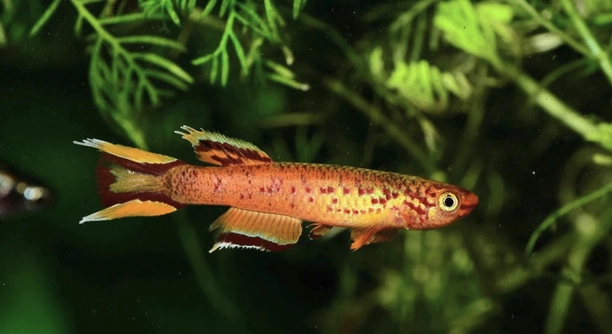
Do your planted killi tanks often feel like more work than you expected, with constant trimming, cleaning, or struggling to keep plants alive?
The best low-maintenance plants for killi tanks are hardy, slow-growing species that tolerate varying water conditions and require minimal care. These plants help maintain water quality and provide essential cover without overwhelming your tank upkeep.
Each plant on this list was chosen for ease of care, compatibility with killifish, and visual appeal in small to medium aquariums.
Java Fern
Java fern is a great choice for killi tanks because it grows slowly, doesn’t need high light, and attaches easily to wood or rock. This makes it a low-effort plant for those who don’t want to fuss with substrate or constant trimming. Killifish enjoy resting near its long, textured leaves, and it adds natural cover without overcrowding the tank. The plant thrives in a wide range of water conditions, which suits the diverse needs of different killifish species. Java fern also helps improve water quality by absorbing waste. It’s ideal for beginner setups or tanks that are not heavily planted.
It grows well in shaded areas and doesn’t need CO₂ or strong lighting to stay healthy.
Propagation is simple—small plantlets form on older leaves and can be removed and reattached elsewhere in the tank. Over time, Java fern fills out nicely, but it doesn’t spread too quickly. You can also trim older leaves if needed. Its thick leaves are not easily damaged by curious fish, which adds to its durability. Just make sure not to bury the rhizome when placing it, as this can lead to rot. With basic care, Java fern remains healthy and attractive for a long time with very little effort.
Anubias
Anubias is another low-maintenance option that suits smaller tanks. It grows slowly, handles low light well, and adds a nice contrast to finer plants.
This plant works well in killi tanks because it’s extremely hardy and doesn’t need special attention to thrive. Anubias comes in a few sizes, so it fits different tank layouts. Its broad, dark green leaves create good hiding spots and don’t break down easily. Like Java fern, it’s best attached to rocks or driftwood to prevent the rhizome from rotting. Trimming is rarely needed since it grows slowly. Some hobbyists even use it in unfiltered tanks because of its toughness. Although algae may build up on its leaves under bright light, placing it in a shaded area of the tank helps avoid this. Anubias stores nutrients in its rhizome, so it doesn’t depend much on water column fertilizers. With very basic care, it adds a solid, calm presence to any killi tank.
Marimo Moss Ball
Marimo moss balls are soft, round algae that require almost no maintenance. They don’t need planting, trimming, or fertilizing. Just place them in the tank, and they’ll slowly roll around with water movement, helping keep the tank clean.
These moss balls are excellent for killi tanks because they trap fine debris and absorb nitrates. They are especially useful in small tanks where filtration may be limited. Marimo moss balls also provide a gentle surface for killifish to rest near, especially fry or shy species. They do best in low to moderate light and don’t mind cool or warm water. Occasionally turning them by hand helps them keep their round shape. If they start to float, a gentle squeeze will remove trapped air. They grow slowly, so one or two can stay in the tank for years without much care.
One nice thing about marimo moss balls is how easy they are to clean. Just rinse them gently in old tank water during water changes. This keeps them from getting clogged with waste and helps them stay healthy. They don’t break apart or get messy like other types of moss, and fish rarely bother them. Their texture stays intact, and they don’t compete for space or light.
Water Sprite
Water sprite is fast-growing, but still manageable if left floating. It creates gentle shade, which helps reduce light stress for killifish. Its thin leaves offer cover for fry and help calm skittish adults.
When used as a floating plant, water sprite quickly adapts to a new tank and spreads across the surface. This creates a more natural look while helping block excess light, which can reduce algae. It also takes up nutrients that might otherwise feed unwanted algae. Floating water sprite doesn’t need any special care, but trimming long roots and thinning the clumps every few weeks helps keep it neat. If planted in the substrate, it grows taller and bushier, though that requires more trimming. Either way, it’s a strong nutrient absorber and helps stabilize water quality. Its soft texture also makes it safe for delicate fish, and fry often hide among the roots and fine leaves.
Hornwort
Hornwort is easy to manage and grows without rooting. It can float freely or be anchored gently. It handles a wide range of water conditions and helps absorb excess nutrients, making it a useful plant for maintaining water quality in low-tech killi tanks.
Its fine, feathery leaves provide excellent cover for fry and shy adults. Hornwort grows fast, so trimming may be needed, but it bounces back quickly. It doesn’t need special lighting or fertilizers and rarely melts when introduced to new setups. It also helps reduce algae by competing for nutrients in the water.
Salvinia
Salvinia is a floating plant that forms thick mats across the water surface. It blocks light gently and keeps killifish comfortable by reducing glare. The roots hang just below the surface, giving fry a safe place to hide and explore.
Subwassertang
Subwassertang is a hardy liverwort that stays compact and attaches to decorations or substrate. It grows slowly and doesn’t need trimming often. Its soft texture makes it ideal for fry and timid fish that like extra cover.
What plants are best for killifish tanks?
The best plants for killifish tanks are those that require minimal care and can tolerate a range of water conditions. Java fern and Anubias are popular because they grow slowly and attach to rocks or wood, avoiding substrate issues. Floating plants like Water Sprite and Salvinia provide cover without needing planting, while Marimo moss balls help improve water quality and are easy to maintain. Hornwort and Subwassertang also work well for their fast growth and shelter for fry. These plants create hiding spots, improve water quality, and don’t demand constant trimming, making them perfect for killifish environments.
How do I care for low-maintenance plants in a killi tank?
Low-maintenance plants generally need moderate lighting, stable water conditions, and occasional cleaning or trimming. Java fern and Anubias should not have their rhizomes buried to prevent rot. Floating plants like Water Sprite and Salvinia may need thinning to prevent overcrowding and to maintain water flow. Marimo moss balls require gentle rinsing during water changes to remove debris. Hornwort can be trimmed if it grows too dense, but it usually recovers quickly. Overall, these plants don’t need fertilizers or CO₂, but maintaining basic water quality with regular changes supports their health.
Can killifish damage plants?
Killifish are usually gentle on plants compared to some other species. They may occasionally nibble on soft leaves like those of floating plants or moss balls, but damage is often minimal. Plants like Java fern and Anubias have thick, tough leaves that resist damage. Fast-growing plants such as Hornwort can withstand occasional nibbling. Floating plants help by providing shade and hiding spots, reducing fish stress and curiosity. Monitoring fish behavior and providing ample hiding spaces helps protect plants from any unwanted attention.
How do plants benefit killifish tanks?
Plants improve killifish tanks by providing shelter, breeding sites, and reducing stress for the fish. They offer hiding spots for shy or young fish and help mimic natural environments. Plants also assist in maintaining water quality by absorbing excess nutrients like nitrates and phosphates, which can reduce algae growth. Floating plants diffuse light, creating a more comfortable environment. Live plants encourage natural behaviors, such as resting and exploring. Overall, plants contribute to a balanced and healthy ecosystem in the tank.
Are fertilizers needed for low-maintenance killi plants?
Most low-maintenance plants for killifish tanks don’t require regular fertilization. Plants like Java fern, Anubias, and Marimo moss balls get nutrients from fish waste and occasional water changes. Floating plants absorb nutrients directly from the water column and don’t rely on root feeding. However, if plants show slow growth or yellowing leaves, a mild liquid fertilizer can be used sparingly. Avoid overfertilizing, as this may cause algae blooms. Keeping good water quality and lighting is usually enough to support healthy plant growth in killi tanks.
What lighting is best for low-maintenance plants?
Low-maintenance plants do best under moderate to low lighting. Java fern, Anubias, and Marimo moss balls grow well in shaded or indirect light, reducing algae growth risk. Floating plants like Water Sprite and Salvinia thrive with moderate light but can also tolerate lower levels. Avoid bright, direct light that encourages algae. A standard aquarium LED light with adjustable settings works well for these plants. Maintaining a 8-10 hour light cycle helps plants photosynthesize without stressing the fish or encouraging excessive algae growth.
How often should I trim plants in a killifish tank?
Trimming frequency depends on the plant type and growth rate. Slow growers like Java fern and Anubias need trimming only if older leaves die or if they become crowded. Fast growers like Hornwort and Water Sprite may require trimming every few weeks to prevent overgrowth. Floating plants should be thinned regularly to maintain water circulation and light penetration. Removing dead or decaying leaves promptly helps keep water clean. Regular but gentle trimming supports healthy plants and a tidy tank environment.
Can I use substrate for these low-maintenance plants?
Some plants like Java fern and Anubias should not be planted in substrate because their rhizomes can rot. Instead, attach them to rocks, driftwood, or decorations. Marimo moss balls don’t need substrate at all. Floating plants don’t require planting and simply float on the surface. Hornwort can be left floating or lightly anchored, and Subwassertang attaches to surfaces. If using substrate, choose inert types that won’t alter water chemistry, but most low-maintenance plants for killi tanks thrive without rooting in soil.
Choosing the right plants for a killifish tank can make a big difference in both the fish’s wellbeing and how easy the tank is to care for. Low-maintenance plants like Java fern, Anubias, and Marimo moss balls are excellent choices because they do not require much attention but still provide many benefits. These plants help create a natural environment by offering hiding spots and resting areas for killifish. They also contribute to better water quality by absorbing nutrients that can cause algae growth. Using plants that are slow growing or easy to care for means less trimming and fewer problems with decaying leaves. This is especially helpful for people who want a beautiful tank without spending too much time on plant care.
Floating plants such as Water Sprite and Salvinia add a gentle layer of cover on the water’s surface. This can help reduce light intensity, which some killifish appreciate. These plants are also good for keeping water conditions stable by competing with algae for nutrients. Hornwort and Subwassertang provide fine leaves or soft textures that work well as shelter for fry or shy fish. They are tough and adapt well to different water conditions. By including a variety of these low-maintenance plants, you create a balanced, healthy tank that supports the natural behaviors of killifish and makes maintenance easier.
Overall, the key to success is choosing plants that fit your tank size, lighting setup, and how much time you want to spend on care. It’s better to start with a few hardy, low-maintenance species and see how they grow in your tank’s conditions. You can always add more plants later if you want a fuller look. Remember to avoid burying rhizomes, keep the lighting moderate, and perform regular water changes to support healthy plants and fish. With the right plants, your killifish tank can become a peaceful, attractive space that requires minimal effort to maintain.

Hello,
If you enjoy the content that we create, please consider saying a "Thank You!" by leaving a tip.
Every little bit helps us continue crafting quality advice that supports the health, happiness, and well-being of pets around the world, for pets of all shapes, sizes, and species.
We really appreciate the kindness and support that you show us!