
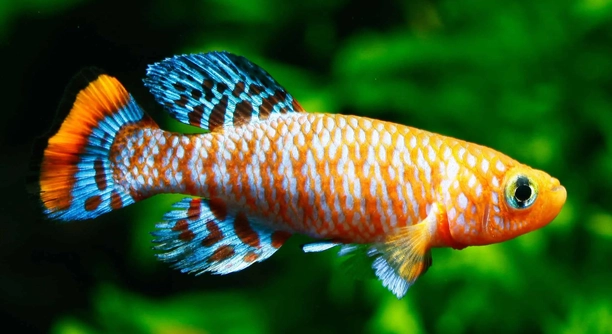
Sponge filters are a popular choice in many freshwater aquariums due to their gentle filtration and ease of use. Killifish, or killis, are delicate fish that require specific care to thrive in captivity. Understanding whether sponge filters suit their needs is essential for any killifish keeper.
Sponge filters can be used for killifish tanks as they provide gentle filtration without strong currents that could stress the fish. They also promote beneficial bacterial growth, maintaining water quality essential for killis’ health and well-being.
Knowing the advantages of sponge filters will help you create a safe and comfortable environment for your killifish to flourish.
Why Killifish Need Gentle Filtration
Killifish are small, often delicate fish that prefer calm water with minimal current. Strong filters can create currents that stress them out and disrupt their natural behavior. Sponge filters work well because they offer gentle water movement and filtration. These filters use air to push water through a sponge, trapping debris while providing oxygen. This method is less likely to harm fry or smaller fish, which is important since many killis are bred in tanks with young fish present. Additionally, sponge filters support the growth of beneficial bacteria, which break down harmful ammonia and nitrites. This helps keep the water clean and safe for killifish. Using a sponge filter can reduce the need for frequent water changes, creating a stable environment where killifish can feel comfortable and healthy. Their natural habitats often have slow-moving water, so sponge filters replicate this condition in the aquarium.
Sponge filters are an effective and low-stress solution that matches killifish’s needs for a calm and clean environment.
Maintaining the right filtration for killifish is essential for their health and breeding success. Sponge filters allow you to provide clean water without disturbing the fish. They are easy to set up and maintain, making them ideal for both beginners and experienced hobbyists. Unlike some filters, sponge filters do not suck in small fry or delicate fish, which is critical during breeding. They also improve oxygen levels in the water without creating strong currents. This balance helps killifish behave naturally, reducing stress and promoting activity. Using sponge filters along with regular water testing and partial water changes ensures your killis live in a healthy environment. It is important to clean the sponge gently to avoid killing beneficial bacteria. Overall, sponge filters create a supportive habitat that matches the natural needs of killifish, improving their chances of thriving in your aquarium.
Setting Up a Sponge Filter for Killifish
Setting up a sponge filter is simple and does not require complicated equipment. The sponge should be placed near the bottom of the tank where killifish spend much of their time.
To install the sponge filter, attach it to an air pump and place it inside the tank. The rising bubbles draw water through the sponge, filtering out debris while circulating oxygen. This setup avoids strong currents, keeping the water movement gentle.
It’s important to choose the right size sponge filter for your tank. Larger tanks may need a bigger or multiple sponge filters to keep water clean effectively. Regular maintenance involves rinsing the sponge in tank water during water changes to preserve beneficial bacteria. Avoid cleaning it with tap water, which can kill helpful microbes. Monitoring water parameters such as ammonia and nitrites will help you know when the sponge needs cleaning or replacement. Using a sponge filter supports a healthier tank environment, especially for sensitive species like killifish, by providing gentle and effective filtration without disrupting their habitat.
Common Issues with Sponge Filters in Killifish Tanks
Sponge filters are generally reliable but can sometimes cause problems if not properly maintained. Over time, they may clog with debris, reducing water flow and filtration efficiency.
If the sponge becomes clogged, water circulation decreases, which can lower oxygen levels and cause waste buildup. This creates an unhealthy environment for killifish. To prevent this, regular cleaning is necessary. However, cleaning should be done carefully using tank water to avoid killing beneficial bacteria. If the sponge is damaged or too old, replacing it will help maintain proper filtration. Monitoring water quality frequently ensures that any issues are caught early before they affect the fish.
Sometimes, the air pump may fail or lose power, stopping filtration completely. Having a backup air pump or checking equipment regularly helps avoid this. Also, if the sponge filter creates too much movement for certain killifish species, adjusting the air flow or repositioning the filter can reduce water current, maintaining the calm conditions killis prefer.
Choosing the Right Sponge Filter for Killifish
Choosing the appropriate sponge filter depends on your tank size and killifish species. Smaller tanks benefit from compact sponge filters designed for gentle filtration without strong water flow.
For larger tanks or multiple killifish species, a bigger sponge filter or multiple filters can help maintain water quality more effectively. The sponge’s pore size matters as well—fine pores trap smaller particles, but coarse sponges allow better water flow. Balancing these features is important to create an ideal environment. Air pump strength should be adjustable to control water movement, ensuring it matches killifish’s preference for calm water.
Proper filter placement is key. Positioning the sponge near plants or decorations provides natural hiding spaces, reducing stress. Also, pairing sponge filters with other gentle filtration methods can improve water clarity without disturbing the fish. Overall, selecting and maintaining the right sponge filter supports the health and comfort of your killifish tank.
Maintaining Sponge Filters for Killifish
Cleaning sponge filters regularly is essential to keep them working well. Rinse the sponge gently in tank water during water changes to preserve beneficial bacteria. Avoid using tap water, which can kill these helpful microbes.
Replacing the sponge depends on its condition. If it becomes too worn or damaged, it’s better to replace it to maintain effective filtration and water quality.
Benefits of Sponge Filters Over Other Filtration Types
Sponge filters provide gentle water flow, ideal for killifish who dislike strong currents. They are inexpensive, easy to maintain, and promote biological filtration by supporting beneficial bacteria growth. These filters also do not trap fry, making them perfect for breeding tanks. Additionally, sponge filters run quietly and consume little energy, making them a practical choice for small to medium-sized aquariums.
Signs Your Sponge Filter Needs Attention
A drop in water clarity or an increase in ammonia levels may indicate the sponge filter needs cleaning or replacement.
If you notice a reduction in air bubbles or water flow, the filter might be clogged or the air pump may require maintenance.
FAQ
Can I use a sponge filter as the only filter in my killifish tank?
Yes, sponge filters can be used as the sole filtration method for killifish tanks, especially smaller setups. They provide both mechanical and biological filtration while creating gentle water flow, which suits killifish well. However, in larger tanks, additional filtration may be necessary to maintain optimal water quality.
How often should I clean my sponge filter?
Cleaning frequency depends on tank size, stocking levels, and feeding habits. Generally, rinse the sponge every 2 to 4 weeks during water changes. Use tank water to gently squeeze out debris and avoid killing beneficial bacteria. Over-cleaning can disrupt biological filtration, so avoid aggressive scrubbing or cleaning with tap water.
Will a sponge filter harm killifish fry?
No, sponge filters are safe for killifish fry. Their gentle suction prevents small fry from being sucked into the filter. This makes sponge filters popular among breeders, as they allow fry to grow safely without the risk of injury or loss.
What size sponge filter do I need for my tank?
Choose a sponge filter based on tank volume. For tanks up to 10 gallons, a small to medium sponge filter works well. Larger tanks require bigger or multiple sponge filters to handle the increased bio-load. Always consider the species of killifish as some prefer even gentler water flow.
Can I use an air pump with adjustable flow for my sponge filter?
Yes, an adjustable air pump is ideal for sponge filters in killifish tanks. It allows you to control water flow and air bubbles, creating a calm environment. Adjusting air flow helps prevent strong currents that can stress killifish.
How do I know if my sponge filter is clogged?
Signs of clogging include reduced air bubbles, slower water flow, and cloudy water. If you notice these, it’s time to clean the sponge. Regular maintenance prevents clogging and keeps water circulating properly.
Can I use a sponge filter with live plants?
Absolutely. Sponge filters work well in planted tanks since they provide gentle water movement that won’t disturb plants. They also promote a healthy environment by supporting beneficial bacteria, which helps maintain stable water parameters favorable for plants and killifish.
Is it okay to run the sponge filter 24/7?
Yes, sponge filters are designed to run continuously. They consume little energy and provide constant filtration and aeration, which benefits killifish by maintaining stable water conditions.
What should I do if my sponge filter stops working?
Check the air pump first, as it’s the most common cause. Make sure it’s plugged in and functioning. Inspect the airline tubing for blockages or kinks. If the sponge is very dirty or damaged, clean or replace it as needed to restore proper function.
Can sponge filters remove toxins from the water?
Sponge filters primarily support biological filtration by hosting beneficial bacteria that convert harmful ammonia and nitrites into less harmful nitrates. They also provide mechanical filtration by trapping debris. However, they do not remove chemical toxins, so regular water changes are necessary to keep the tank safe.
How do sponge filters compare to hang-on-back or canister filters?
Sponge filters create gentle water flow and are safer for delicate fish and fry, making them ideal for killifish. Hang-on-back or canister filters provide stronger filtration and water movement, which may stress killifish. Sponge filters are easier to maintain and more affordable but may require supplemental filtration in larger tanks.
Can I use a sponge filter in a community tank with killifish?
Yes, sponge filters work well in community tanks with killifish and other peaceful species. Their gentle filtration minimizes stress and protects smaller or more sensitive fish from strong currents. They also provide a safe environment for fry if breeding occurs.
How do I clean a clogged sponge filter without harming beneficial bacteria?
Remove the sponge and rinse it gently in a bucket of tank water. Avoid using tap water or harsh scrubbing. Lightly squeezing the sponge removes debris but keeps bacteria intact. Cleaning during water changes helps maintain a healthy balance.
Will a sponge filter oxygenate the water well enough?
Sponge filters oxygenate the water by releasing bubbles that increase surface agitation. This helps oxygen dissolve into the water. While not as powerful as some other filters, sponge filters provide sufficient aeration for killifish, especially with a properly sized air pump.
Can I run multiple sponge filters in one tank?
Yes, using multiple sponge filters improves filtration and water circulation in larger tanks. It also reduces the risk of a total filtration failure if one sponge clogs or the air pump malfunctions. Multiple filters help maintain a stable, clean environment for killifish.
What is the lifespan of a sponge filter?
With proper care, a sponge filter can last several years. The sponge material may degrade or tear over time, requiring replacement. Regular gentle cleaning and monitoring help extend its lifespan.
Are sponge filters noisy?
Sponge filters are generally quiet. Most noise comes from the air pump, which varies by model. Choosing a quality, quiet air pump reduces sound, making sponge filters suitable for bedrooms or offices where low noise is preferred.
Sponge filters are a practical and effective option for keeping killifish tanks clean and safe. They offer gentle filtration that matches the delicate nature of killifish, providing just the right amount of water movement without causing stress. This makes them especially suitable for tanks with fry or smaller species, where stronger filters might cause harm. Because sponge filters support beneficial bacteria, they help maintain good water quality by breaking down harmful substances naturally. This biological filtration is important to keep killifish healthy and comfortable in their environment. Regular maintenance, such as gentle rinsing during water changes, keeps the sponge filter working well without disrupting the balance of bacteria.
Another advantage of sponge filters is their simplicity and ease of use. Setting one up does not require complex equipment or advanced knowledge, which is helpful for both new and experienced fish keepers. They are affordable and energy-efficient, running quietly and steadily around the clock. Their low cost and minimal maintenance make sponge filters an attractive choice for hobbyists focused on killifish care. With the right setup, including an adjustable air pump and proper placement, these filters can provide consistent, gentle filtration that mimics the slow-moving waters killifish prefer. This creates a stable and peaceful environment where killifish can thrive.
While sponge filters have many benefits, it is important to monitor the tank’s water quality and filter condition regularly. Over time, the sponge can clog with debris, reducing water flow and filtration efficiency. Cleaning the sponge carefully in tank water and replacing it when worn ensures the filter remains effective. Additionally, choosing the right size sponge filter and adjusting air flow to prevent strong currents is key to supporting killifish health. When used properly, sponge filters provide a safe and reliable filtration method tailored to the needs of killifish, supporting their wellbeing and making aquarium care simpler.

Hello,
If you enjoy the content that we create, please consider saying a "Thank You!" by leaving a tip.
Every little bit helps us continue crafting quality advice that supports the health, happiness, and well-being of pets around the world, for pets of all shapes, sizes, and species.
We really appreciate the kindness and support that you show us!