
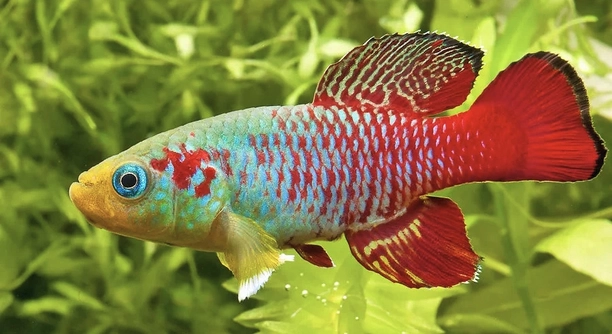
Killi fish are popular aquarium pets known for their vibrant colors and peaceful nature. They come from diverse natural habitats where water flow can vary greatly. Understanding their preferences helps create the right environment for their health and comfort.
Killi fish generally prefer slow to moderate water flow rather than high flow. Strong currents can stress these fish, as they are adapted to calmer waters such as small streams or still pools. Maintaining gentle water movement supports their natural behavior and well-being.
Knowing the right water flow is essential for keeping killi fish healthy and happy in your aquarium. This article explains how to create the best conditions for them to thrive.
Natural Habitat and Water Flow
Killi fish naturally live in environments with slow-moving or still water, such as ponds, swamps, and small streams. These habitats usually have gentle currents, plenty of plants, and calm areas where fish can rest. High water flow is uncommon in their natural settings. Because of this, killi fish are not built to handle strong currents for long periods. If kept in tanks with high flow, they may become stressed, which can affect their health and behavior. Providing a tank setup that mimics their natural habitat, with slow water movement and plenty of hiding spots, helps killi fish feel secure. Adding plants and decorations can break up the flow and create quieter zones. This environment allows the fish to swim comfortably without being pushed around by strong currents. A stable, calm water flow encourages natural swimming patterns and reduces stress, making your killi fish more active and healthier overall.
Strong water currents are generally unsuitable for killi fish, as they prefer calmer waters with little movement.
Properly adjusting water flow to slow or moderate levels ensures a healthier and more natural environment for your killi fish to thrive.
How to Adjust Aquarium Flow for Killi Fish
When setting up your aquarium, it’s important to control the water flow to match killi fish needs. You can adjust the flow by using filters with adjustable power or placing decorations that reduce current strength. For example, sponge filters or gentle internal filters work well to keep the water clean without creating strong currents. Positioning plants, rocks, and driftwood strategically breaks up the flow and provides sheltered areas. Avoid powerful external filters that push large amounts of water quickly. Also, make sure to maintain proper oxygenation since slower flow can reduce water movement. Adding air stones or surface agitation can help balance this. Regularly monitor your fish’s behavior to see if they seem stressed or are struggling to swim. If so, try lowering the flow further or rearranging tank elements. With careful adjustment, your killi fish will enjoy a peaceful, natural-feeling home that supports their health and happiness.
Signs of Stress from High Water Flow
Killi fish exposed to strong currents may show signs of stress quickly. They might hide more than usual or stay motionless in calm areas. Erratic swimming or struggling to swim against the current are also common signs. If you notice these behaviors, it’s time to check the water flow in your tank.
Stress from high water flow can weaken killi fish over time. It may cause loss of appetite, faded colors, and increased vulnerability to disease. Because these fish are small and delicate, prolonged exposure to strong currents can lead to exhaustion and injury. Reducing the water flow helps prevent these problems and promotes healthier behavior. Creating safe, quiet zones in the tank lets your fish rest and recover. Watching your killi fish closely ensures their environment suits their needs, keeping them lively and comfortable.
Ensuring the right flow rate improves your fish’s overall well-being and tank enjoyment. It supports natural swimming patterns without unnecessary effort or stress.
Choosing the Right Filter for Killi Fish Tanks
Selecting a filter that offers gentle water movement is essential for killi fish tanks. Sponge filters are ideal because they provide biological filtration without strong currents. They also offer a safe environment for fry or smaller fish by preventing suction injuries. Internal filters with adjustable flow settings can also work well if set to low power.
High-powered filters designed for larger or more turbulent tanks are not suitable for killi fish. They can create currents that exhaust or harm your fish. Positioning the filter outlet toward a tank corner or behind plants can further reduce direct flow. Maintaining clean filter media ensures proper water quality without stressing your fish. Choosing the right filter type and placement helps maintain a stable, calm environment where killi fish can thrive naturally.
Benefits of Low Flow for Killi Fish
Low water flow reduces stress and helps killi fish conserve energy. It allows them to swim naturally without struggling against currents.
Gentle water movement also helps maintain stable water conditions, which supports better health and less aggressive behavior in the tank.
Impact of Still Water on Killi Fish Behavior
Still water environments encourage natural behaviors such as resting among plants and exploring calm areas. Killi fish feel more secure and display brighter colors when they aren’t fighting currents.
Without strong water movement, killi fish can focus energy on feeding and breeding rather than constant swimming against water flow. This leads to a more balanced and active tank community.
How to Create a Low Flow Aquarium Environment
Use filters with adjustable flow settings or gentle sponge filters. Position plants and decorations to block direct current and create calm zones for your fish.
Regularly check flow rates and fish behavior to make sure the environment remains comfortable and stress-free.
Adjusting Flow for Different Killi Species
Different killi species may tolerate slightly different flow rates. Research your specific species’ natural habitat to tailor tank flow accordingly.
FAQ
Do killi fish survive in strong currents?
Killi fish can survive in currents that are stronger than their natural preference, but it is not ideal. Strong currents cause stress and fatigue because they are not adapted to swim against fast-moving water. Over time, this stress can weaken their immune system and lead to health issues. It’s best to avoid strong flow and create a calm environment that mimics their natural habitat.
Can killi fish live in completely still water?
While killi fish prefer slow or still water, completely stagnant water is not healthy for any aquarium. Still water without any movement can lead to poor oxygen levels and accumulation of waste. A gentle flow or surface agitation helps maintain oxygen exchange and water quality. So, low but consistent water movement is best to keep killi fish healthy.
What type of filter is best for killi fish?
Sponge filters are the most suitable because they provide gentle filtration without strong currents. Internal filters with adjustable flow can also work if set to a low setting. Avoid powerful external filters that produce fast water movement, as these can stress or exhaust killi fish. Positioning the filter output to reduce direct flow helps create calm zones in the tank.
How can I tell if my killi fish is stressed by water flow?
Signs of stress include hiding excessively, erratic swimming, or struggling to swim against the current. Your fish may lose appetite or show faded colors. Watch for lethargy or gasping at the surface, which can indicate poor oxygen levels often related to improper flow. Adjust the flow immediately if you notice these behaviors.
Is it okay to have plants in a killi fish tank?
Yes, plants are highly beneficial. They break up water flow and provide sheltered spots where killi fish can rest and hide from currents. Plants also improve water quality by absorbing nitrates and adding oxygen. Both live and artificial plants can be used, but live plants contribute more to a natural tank environment.
Do killi fish prefer slow or moderate flow?
Killi fish generally do better in slow to moderate water flow rather than still or high flow. Slow flow helps circulate the water and oxygen without creating stress. Moderate flow can be acceptable if it’s gentle and broken up by plants or decorations. High flow is rarely suitable and often causes distress.
How often should I check water flow in a killi fish tank?
Regular checks are important, especially after cleaning or changing equipment. Observe your fish daily to ensure they are swimming comfortably without struggling. Adjust flow when adding new decorations or filters. Keeping a routine will help maintain an environment where killi fish can thrive.
Can flow adjustments improve breeding success in killi fish?
Yes, gentle water flow can encourage natural breeding behaviors. Calm water helps males establish territories and allows females to lay eggs safely. Too much current can disrupt spawning or wash away eggs. Creating quiet zones with slow flow supports successful breeding.
Should I add air stones if flow is low?
Adding air stones is a good idea when water flow is very slow or nearly still. They help increase oxygen levels by agitating the water surface without creating strong currents. This keeps the tank oxygenated, which is essential for killi fish health.
What’s the easiest way to reduce strong flow?
Placing decorations like plants, rocks, or driftwood near the filter outlet breaks up the current. Using a sponge or foam cover on the filter output can also slow water movement. Adjusting filter settings or switching to a gentler filter type is often necessary to keep the flow low and safe for killi fish.
Killi fish are delicate creatures that thrive best in environments mimicking their natural habitats. Their preference for slow to moderate water flow means that tank setups should focus on creating calm and peaceful conditions. High water flow can cause unnecessary stress, affecting their health and behavior negatively. Providing gentle currents allows these fish to swim naturally, conserve energy, and maintain their vibrant colors. A tank with low flow also supports stable water conditions, which is crucial for their overall well-being. This means that paying attention to how water moves in the aquarium is one of the most important aspects of caring for killi fish.
Choosing the right equipment is key to achieving the ideal water flow. Filters with adjustable settings or sponge filters are excellent choices because they offer effective filtration without creating strong currents. Adding plants, rocks, or other decorations can help break up the water movement and create quiet zones where the fish can rest. It is also important to maintain good oxygen levels, especially in tanks with low flow, by using air stones or surface agitation. Regular monitoring of the fish’s behavior helps ensure that the flow is not too strong or too still. When killi fish appear stressed or tired, adjusting the water flow is often the solution. Keeping these conditions balanced supports their natural habits and reduces the risk of disease.
In summary, creating a gentle, well-regulated flow in a killi fish aquarium promotes healthier and more active fish. Paying attention to their specific needs can make a noticeable difference in how they live and behave. Maintaining calm water encourages natural swimming patterns, better feeding, and even successful breeding. By choosing the right filter, adding plants, and regularly checking the tank environment, it is possible to provide a comfortable home for killi fish. These efforts not only help the fish thrive but also enhance the overall enjoyment of keeping them. Understanding and managing water flow is a simple but vital step in responsible fish care.

Hello,
If you enjoy the content that we create, please consider saying a "Thank You!" by leaving a tip.
Every little bit helps us continue crafting quality advice that supports the health, happiness, and well-being of pets around the world, for pets of all shapes, sizes, and species.
We really appreciate the kindness and support that you show us!