
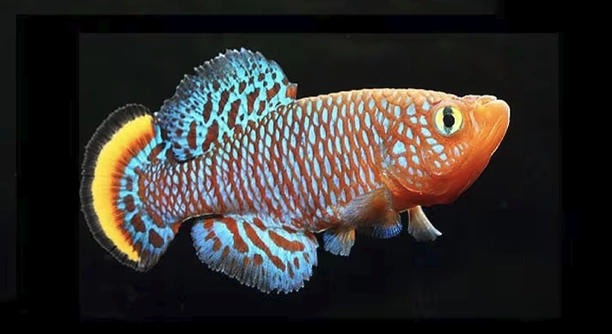
Keeping killifish at home has grown in popularity among aquarium enthusiasts. These small, colorful fish are known for their unique life cycles and vibrant patterns. Many people are drawn to their charm but often encounter mixed information about their care.
Several myths surround the care of killifish, causing confusion among hobbyists. These misconceptions can lead to improper care or unnecessary worry. Addressing these myths clearly helps ensure better understanding and promotes responsible keeping of killifish in home aquariums.
Clarifying these common misunderstandings will improve your approach to killifish care and enhance your enjoyment of these fascinating fish.
Myth 1: Killifish Are Difficult to Keep
Many people believe killifish are hard to care for because of their unusual breeding habits and short lifespans. While some species do have specific needs, most killifish adapt well to a standard aquarium environment. They require clean water, regular feeding, and appropriate tank conditions like low to moderate water flow and plenty of plants or hiding spots. Their diet is simple, often including live or frozen foods such as brine shrimp and bloodworms, which many fish readily accept. It is true that some killifish have seasonal life cycles, but with proper care, they can live comfortably for several years. Many hobbyists successfully keep killifish by maintaining stable water parameters and avoiding overcrowding. Understanding the basic needs of your killifish can remove much of the difficulty and make their care quite manageable.
Killifish are generally easier to keep than many assume, especially when their basic needs are met and their environment is stable.
Recognizing that killifish do not demand overly complex care routines allows owners to enjoy their vibrant colors and lively behavior without undue stress. Providing clean water and a balanced diet goes a long way toward maintaining their health. Patience and attention to tank conditions ensure these fish thrive in a home aquarium. With correct care, killifish can be a rewarding addition that is both interesting and surprisingly straightforward to maintain.
Myth 2: Killifish Must Live Only in Seasonal Tanks
Some people say killifish can only be kept in seasonal tanks that mimic their natural dry and wet cycles. This is true for a few species, but most killifish do well in regular aquariums year-round. Seasonal tanks require draining and restarting the water to simulate dry seasons, which is complicated for many hobbyists. Most killifish species sold as pets thrive in stable environments with consistent water conditions and do not need this special treatment.
While certain killifish species have adapted to extreme natural cycles, many common pet killifish are happy in regular aquariums. Seasonal tanks are not mandatory for the majority of killifish available to hobbyists.
For many killifish, consistent water quality and a secure environment are more important than mimicking natural seasonal changes. Hobbyists often succeed by maintaining a planted tank with clean water, moderate temperature, and suitable hiding places. Seasonal tanks are mainly useful for breeding rare species with unique life cycles. If breeding is not your goal, a regular aquarium setup is enough to keep killifish healthy and content. This approach simplifies their care and still allows you to enjoy their beauty and behavior without extra work.
Myth 3: Killifish Need Large Tanks
Killifish do not require large tanks. Many species are small and thrive comfortably in tanks as small as 5 gallons. A well-maintained, properly planted tank is more important than size.
Small tanks with clean water and plenty of plants create a suitable habitat for killifish. Overcrowding should be avoided, but a small group can live happily in compact spaces. Providing hiding spots and gentle filtration supports their health. Tank size should match the species, but for most killifish, a modest aquarium is sufficient.
Large tanks are not necessary for killifish, but stability and good water quality are essential. Regular maintenance and attention to tank conditions matter more than space. A smaller tank that is carefully cared for offers a comfortable environment. This makes killifish accessible even to those with limited room. By focusing on water quality and habitat setup, killifish can thrive without a large aquarium.
Myth 4: Killifish Are Aggressive Towards Tank Mates
Killifish behavior varies by species, but many are peaceful and coexist well with other fish. Aggression is usually minimal if their environment is appropriate.
Most killifish are shy or territorial only during breeding. Choosing compatible tank mates of similar size and temperament helps maintain harmony. Providing plants and hiding spots reduces stress and aggression. Some species prefer to be kept in groups, which also minimizes fighting.
Aggression is often overstated in killifish care advice. Understanding the needs of your species and providing a balanced community tank results in peaceful cohabitation. Proper tank setup, with sufficient space and cover, allows killifish to interact calmly with other fish. Avoiding overly aggressive or very small tank mates also helps maintain peace. This approach encourages natural behavior and reduces conflicts in the aquarium.
Myth 5: Killifish Only Eat Live Food
Killifish can eat more than just live food. They also accept frozen, freeze-dried, and some high-quality flake or pellet foods.
A varied diet helps keep killifish healthy. While live food stimulates natural hunting behavior, frozen or freeze-dried options are convenient and nutritious. Many killifish adapt well to different food types when introduced gradually.
Myth 6: Killifish Are Not Suitable for Beginners
Killifish care is manageable with basic aquarium knowledge. They require clean water, stable conditions, and proper feeding, similar to many common aquarium fish.
With patience and attention, beginners can successfully keep killifish. Learning about the specific species’ needs is important, but their care does not demand advanced skills.
Myth 7: Killifish Cannot Live Long in Captivity
Killifish lifespan varies by species, but many live two to three years with good care. Some species even live longer in stable environments.
Proper tank maintenance and nutrition extend killifish longevity. Their lifespan is often misunderstood as very short, but with the right conditions, they can thrive for years.
FAQ
How often should I feed my killifish?
Killifish usually do well when fed once or twice daily. Offering small amounts that they can finish within a few minutes helps prevent overfeeding and water pollution. Variety in their diet, including live, frozen, or freeze-dried foods, ensures proper nutrition and keeps them interested in their meals.
Can killifish live with other types of fish?
Yes, many killifish species coexist peacefully with compatible tank mates. Avoid overly aggressive or much larger fish that might harm them. Providing plants and hiding spots reduces stress and allows killifish to retreat when needed. Choosing calm species with similar water requirements improves tank harmony.
Do killifish need special lighting?
Killifish do not require intense lighting. Moderate lighting that supports live plants is sufficient. Bright lights may cause stress, so it’s best to keep lighting natural and consistent. Plants provide cover and improve water quality, which benefits killifish health overall.
How do I know if my killifish is healthy?
A healthy killifish will be active, show vibrant colors, and eat regularly. Signs of stress or illness include lethargy, faded colors, clamped fins, or unusual swimming patterns. Regular observation and maintaining clean water can prevent most health issues.
Is breeding killifish difficult?
Breeding killifish varies by species. Some lay eggs on plants or substrate, while others prefer seasonal conditions. Many hobbyists successfully breed common species in regular tanks with stable conditions. Researching your specific species is important for success.
What water parameters do killifish need?
Killifish generally prefer slightly acidic to neutral pH (6.0-7.5), soft to moderately hard water, and temperatures between 72-78°F (22-26°C). Stability is more important than exact numbers, so regular water testing and maintenance help keep conditions steady.
How do I set up a killifish tank?
A killifish tank should have gentle filtration, live plants, and hiding places. Substrate can be sand or fine gravel. Avoid strong currents, as killifish prefer calmer waters. Frequent water changes and good filtration keep the environment clean and healthy.
Can killifish jump out of the tank?
Yes, killifish are known to be jumpers. It’s important to have a secure lid or cover on the aquarium to prevent escapes. This simple step protects your fish and keeps the tank environment stable.
What should I do if my killifish dies suddenly?
Sudden death can result from poor water quality, stress, or disease. Test water parameters immediately, check for signs of illness, and isolate any sick fish if possible. Improving tank conditions and keeping a clean environment reduces risks.
Are killifish suitable for planted tanks?
Killifish thrive in planted tanks. Plants provide hiding places, reduce stress, and help maintain water quality. Many killifish also use plants to lay eggs. Including live plants creates a natural and comfortable habitat for them.
Keeping killifish at home can be a rewarding experience when their basic needs are understood and met. Despite many myths about their care, killifish are generally adaptable and manageable in home aquariums. They do not require overly complex setups or specialized equipment beyond what is needed for most freshwater fish. Simple attention to water quality, diet, and tank environment can go a long way in ensuring their health and longevity. Their vibrant colors and active behavior make them a pleasant addition to a variety of tank sizes, including smaller setups.
Understanding and dispelling common misconceptions about killifish care helps create a better environment for these fish. For example, they do not always need large tanks or seasonal breeding conditions to thrive. They accept a variety of foods beyond just live options and often live peacefully with other compatible fish. This makes them more accessible to hobbyists who may not have the time or space for complex aquarium maintenance. Knowing these facts can reduce unnecessary worry and encourage proper care practices that benefit both the fish and their owners.
Ultimately, success with killifish depends on consistent care and learning about the specific species you keep. Taking time to observe their behavior, maintain clean water, and provide a balanced diet will promote their well-being. Killifish are not as difficult to care for as some might believe. With the right approach, they offer an interesting and enjoyable experience for anyone interested in freshwater fish. The key is patience and a willingness to meet their needs simply and steadily over time.

Hello,
If you enjoy the content that we create, please consider saying a "Thank You!" by leaving a tip.
Every little bit helps us continue crafting quality advice that supports the health, happiness, and well-being of pets around the world, for pets of all shapes, sizes, and species.
We really appreciate the kindness and support that you show us!