
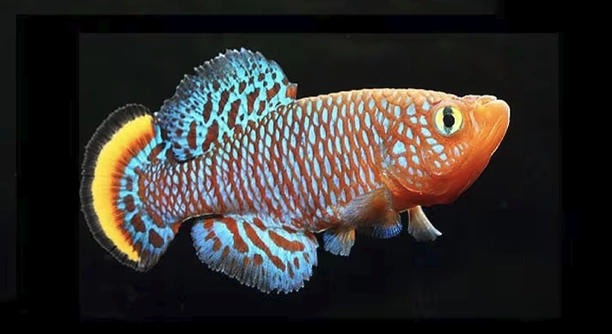
Do you ever find yourself looking for natural ways to support your Killi fish’s health and help them thrive in their environment?
Feeding your Killi fish natural immunity-boosting foods can enhance their resistance to stress and disease. These foods provide essential nutrients, antioxidants, and anti-inflammatory properties that strengthen their overall immune response and promote longevity.
Understanding how each of these foods supports their well-being can make a noticeable difference in your fish’s daily activity, color, and behavior.
Garlic Supports Immune Strength
Garlic is known for its strong antibacterial and antiviral properties. When given in small amounts, it can help Killi fish build resistance to infections and parasites. Crushed garlic releases allicin, a compound that supports the immune system by reducing harmful bacteria in the tank environment. It also improves appetite, which is helpful during recovery from illness. You can soak pellets in garlic juice or add crushed garlic to homemade fish food. This method ensures your fish receive the beneficial compounds without overwhelming their systems. Feeding once a week is enough to offer support without causing digestive issues or water quality problems.
Garlic also improves circulation, allowing nutrients to move more effectively throughout the fish’s body.
When used correctly, garlic serves as a natural way to reduce disease risk in your tank. It’s gentle, effective, and easy to include in your regular care routine without much effort or added cost.
Spirulina Strengthens Cell Health
Spirulina is a natural blue-green algae that supports healthy cell development in fish.
Packed with vitamins A, B, and E, as well as amino acids, spirulina helps Killi fish build resistance to bacterial infections. It also supports tissue repair and boosts energy levels. When fed regularly, it improves growth rates and gives Killi fish a healthy glow. Many commercial foods already contain spirulina, but adding pure spirulina flakes or powder ensures a more direct benefit. A small pinch a few times a week is enough to notice improvements. It’s also easy for fish to digest, which keeps their digestive system functioning well without added strain. Spirulina helps maintain balance in their diet, especially when combined with other nutrient-rich foods. Some hobbyists even report increased spawning activity and improved fry survival rates when spirulina is included. It’s a clean and efficient way to support your Killi’s immune system from the inside out, making it a reliable choice for long-term health.
Daphnia Boosts Digestive Balance
Daphnia is a small freshwater crustacean that supports digestive health in Killi fish. It’s rich in fiber and helps clear the digestive tract, reducing the risk of bloating and constipation. Live or frozen forms are both effective and easy to offer as a weekly supplement.
Feeding Daphnia provides a natural laxative effect without stressing the fish’s system. It’s especially useful after protein-heavy meals, helping process food more efficiently. Daphnia also contains beneficial enzymes and minerals that support overall vitality. Killi fish enjoy hunting live Daphnia, which also encourages natural behavior and physical activity. You can offer it in small amounts once or twice a week, adjusting based on your fish’s needs. When used as part of a balanced diet, it contributes to a healthier, more active fish and a cleaner tank. It’s a simple way to support immune and digestive health without relying on medications or artificial additives.
You may notice clearer water and healthier tank conditions after including Daphnia regularly. Uneaten food tends to be minimal, and fish are more alert. Since it’s low in fat and high in moisture, it supports hydration and prevents buildup in the digestive tract. Over time, consistent use can lead to more vibrant color and steadier growth.
Pumpkin Aids in Parasite Defense
Pumpkin offers anti-parasitic properties that help protect Killi fish from common internal issues. The seeds, in particular, contain compounds that weaken and expel intestinal parasites. Lightly steamed and mashed pumpkin can be mixed into gel foods or offered in tiny bites.
The natural fiber in pumpkin helps move waste through the digestive system, supporting gut health and parasite elimination. It’s also full of vitamins A and C, which boost immune response and tissue repair. You only need a small amount—once every week or two is enough. It’s best to use organic pumpkin and remove any skin or seeds before feeding, unless the seeds are ground up. Many fish will nibble at soft pieces or consume them when blended into other food mixtures. This gentle approach supports long-term prevention and avoids harsh treatments that may stress your fish or harm the tank environment. Pumpkin is an easy, natural option for ongoing parasite support.
Papaya Supports Enzyme Function
Papaya contains papain, a natural enzyme that improves digestion in Killi fish. This helps reduce stress on their internal organs and allows them to absorb nutrients more efficiently. A small piece once a week can make a noticeable difference.
It also contains vitamin C, which supports immune function and reduces inflammation. Papaya can be blended into soft foods or offered as a smooth puree.
Peas Promote Gut Cleanliness
Cooked and peeled peas help keep the digestive tract clear. They’re gentle, fiber-rich, and work well when fed in small amounts once a week.
Peas also reduce the chance of bloating and help eliminate waste buildup. When softened and mashed, they’re easy for Killi fish to eat and digest.
Turmeric Reduces Inflammation
Turmeric contains curcumin, which helps reduce internal inflammation and supports the immune system. It can be added in very small amounts to homemade fish foods.
FAQ
Can I feed all of these foods to my Killi fish in one week?
Yes, you can, but moderation is important. Too many supplements at once may overwhelm their digestive system or affect water quality. It’s best to space them out across the week. For example, you can offer garlic-soaked pellets on one day, spirulina flakes another, then follow with pumpkin or peas later in the week. Keep servings small and observe how your fish react. If they seem less active or their water becomes cloudy, reduce the frequency. A good feeding routine includes variety, but also balance. Avoid feeding more than one supplement per day.
How should I prepare these natural foods for my Killi fish?
Most foods should be lightly steamed, mashed, or pureed to make them easier to eat. Garlic can be crushed and soaked with pellets. Pumpkin and peas need to be softened and peeled. Papaya should be offered in tiny mashed bits with seeds removed. Turmeric should only be added in pinches to homemade foods, not directly into the tank. Daphnia can be fed live or frozen, and spirulina is best given in flake or powder form. Always remove uneaten food after feeding to keep the water clean. Preparation doesn’t need to be complicated—just clean, soft, and in small portions.
Are these foods safe for fry or young Killi fish?
Some of them are, with care. Fry have delicate systems, so start with tiny amounts of spirulina, finely crushed. Daphnia is also safe once they are large enough to eat it. Garlic and turmeric should be avoided until the fish are older. Peas and pumpkin can be offered in pureed form once the fry are feeding well. Always monitor closely for any signs of digestive trouble. Smaller portions and slower introductions are best. You can slowly introduce more foods as they grow, ensuring each one is soft and easy to digest. Avoid overfeeding, especially in smaller tanks.
Will these foods change the water quality in the tank?
Yes, if not fed properly. Any uneaten natural food can break down and increase ammonia or bacteria in the tank. That’s why it’s important to feed in small amounts and remove any leftovers after 10 to 15 minutes. Some foods, like garlic and turmeric, have strong scents that can temporarily affect the smell of the water. Frozen Daphnia should be rinsed before feeding. Using a feeding dish or target-feeding can help reduce mess. Regular water changes and filtration will keep your tank stable while using natural supplements. Clean feeding habits are just as important as the food itself.
How often should I rotate or change natural foods in their diet?
Rotate weekly based on your Killi fish’s needs and responses. If one food seems to cause bloating or cloud the water, reduce it. You don’t need to use every food every week. For example, one week you might use garlic, Daphnia, and peas; the next, spirulina, pumpkin, and turmeric. Keeping a loose rotation helps prevent overuse of any single food and provides a full range of nutrients. It also helps avoid digestive imbalances and supports stronger immune function. Watch for changes in behavior, appetite, and water clarity to guide how often you feed each supplement.
Can natural foods replace commercial pellets entirely?
Not completely. While natural foods are excellent for boosting immunity and supporting health, they don’t always offer complete nutrition on their own. Quality pellets or flakes designed for Killis provide a balanced base. Natural foods should be seen as a supplement, not a substitute. They fill in nutritional gaps, support specific needs, and give variety. Skipping pellets entirely could lead to vitamin or mineral deficiencies over time. A combination of both ensures your fish stay healthy, active, and well-fed. It’s best to keep a core diet of quality commercial food with natural additions used throughout the week.
Final Thoughts
Supporting your Killi fish with natural foods is one of the simplest ways to improve their health. These small additions can help prevent illness, support digestion, and strengthen their immune systems. Each food on the list offers something different—garlic helps fight off harmful bacteria, while peas support gut cleanliness. By choosing the right foods and feeding them in small amounts, you can create a balanced and gentle diet. These natural options don’t require much time or cost but can make a real difference in your fish’s energy, color, and behavior. Simple changes often bring the best results.
Keeping your feeding schedule consistent is just as important as the foods you offer. It’s better to feed less but more thoughtfully. Rotate these foods throughout the week so your fish receive a wide range of nutrients without overwhelming their system. Pay attention to how your Killi react after each feeding. Clear water, strong appetite, and bright color are all signs your choices are helping. If you notice uneaten food or changes in behavior, adjust the feeding amount or frequency. There is no perfect schedule for every tank, so it’s fine to test what works best for your setup.
There’s no need to rush or change everything at once. You can start with one or two foods and slowly add others over time. Offering variety in a careful, balanced way helps support long-term health. These foods work best as part of a routine that includes clean water, stable temperatures, and low stress. Each element supports the others, and natural feeding is just one part of the whole picture. Even with a small tank, you can use simple ingredients like spirulina, pumpkin, or papaya to build a stronger immune foundation. Feeding natural foods is not just about solving problems—it’s also about keeping your fish well in the first place.

Hello,
If you enjoy the content that we create, please consider saying a "Thank You!" by leaving a tip.
Every little bit helps us continue crafting quality advice that supports the health, happiness, and well-being of pets around the world, for pets of all shapes, sizes, and species.
We really appreciate the kindness and support that you show us!