
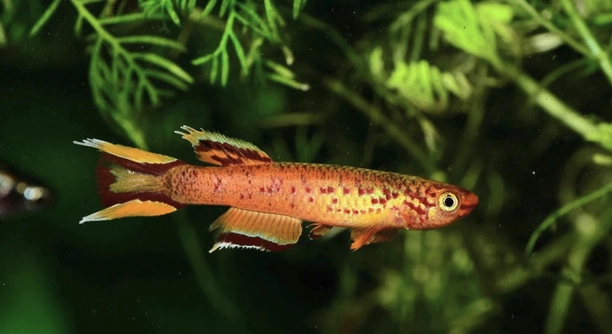
Killi fry are tiny fish that need special care during their early life stages. Many fishkeepers wonder about the best way to raise them safely and help them grow healthy. Moving them to the right tank at the right time is important for their survival.
Moving killi fry to a grow-out tank is recommended once they reach a certain size and can swim actively. This reduces overcrowding and improves water quality, which supports better growth and lowers the risk of disease. Careful monitoring during this transition is essential.
Understanding when and how to move your killi fry can make a big difference in their development. The following information will help you manage this process smoothly and keep your fish thriving.
When to Move Killi Fry to a Grow-Out Tank
Knowing the right time to move killi fry to a grow-out tank is crucial for their health. Typically, this happens when the fry are about 1 centimeter long and can swim steadily on their own. At this stage, they are strong enough to handle a larger space with fewer hiding spots. Moving them too early can stress the fry and increase mortality, while waiting too long can lead to overcrowding and poor water quality. The grow-out tank should have gentle filtration and stable water parameters to support their growth. It’s important to acclimate the fry slowly to avoid shock from changes in water chemistry. Observing their behavior before the move can help; if they are active and feeding well, it’s a good sign they’re ready. A proper transition to a grow-out tank creates a safer, healthier environment that encourages better development and reduces risks.
Moving fry too early or too late can cause unnecessary stress and health issues.
Careful timing and preparation when moving killi fry reduce risks of disease and improve their survival chances. The grow-out tank should have suitable conditions, like stable temperature and clean water. Use a fine mesh or breeding net to transfer fry gently. Avoid sudden changes in light or temperature during the move. Feeding should continue as normal, with small, frequent meals to keep the fry healthy and growing. Keep a close eye on water quality, as growing fry produce waste that can quickly affect the tank environment. This stage is essential for their development, so patience and attention make a big difference.
Setting Up the Grow-Out Tank
A grow-out tank needs to be simple but effective for raising killi fry.
The tank should be larger than the breeding tank, providing enough space for fry to swim freely. Use gentle filtration to avoid sucking in the small fish. Fine sponge filters work well. Keep the water temperature stable between 22 and 26 degrees Celsius, which is ideal for most killifish species. Avoid strong currents since fry are delicate swimmers. Provide some hiding places using plants or floating cover to reduce stress, but don’t overcrowd the tank. Keep the tank clean by performing regular water changes, removing uneaten food, and monitoring ammonia levels. Feeding should include small live foods like baby brine shrimp or micro worms, which support good growth. The goal is to create a stable environment that promotes healthy development and prepares the fry for adulthood.
Feeding Killi Fry in a Grow-Out Tank
Feeding killi fry properly in the grow-out tank is vital for their growth. They need small, frequent meals with highly nutritious food to stay healthy.
Live foods like baby brine shrimp and micro worms are excellent choices because they are easy to digest and packed with nutrients. These foods encourage natural hunting behavior and promote strong growth. Feeding should happen two to three times daily, offering only what the fry can eat in a few minutes to avoid water pollution. If live food is unavailable, finely crushed high-quality flake food or specialized fry pellets can be used as a substitute. Consistent feeding routines help fry develop steadily and reduce competition for food, which lowers stress and injury.
Monitoring the fry during feeding is important. Healthy fry will be active and eager to eat. If some fry lag behind, consider isolating them briefly to ensure they get enough food. Avoid overfeeding, as leftover food can quickly deteriorate water quality, causing illness.
Maintaining Water Quality in a Grow-Out Tank
Maintaining clean water is essential for the survival of killi fry. Frequent water changes and proper filtration keep the tank environment safe.
Partial water changes of about 20-30% twice a week help remove toxins and keep ammonia and nitrite levels low. Use a sponge filter or gentle air-driven filter to prevent fry from being sucked in while ensuring proper oxygenation and biological filtration. Regularly test water parameters to avoid sudden changes in pH or hardness, which can stress the fry. Avoid overfeeding, since excess food decays and pollutes the water quickly. Clean the tank decorations and substrate carefully without using harsh chemicals. Good water maintenance creates a stable environment that supports healthy growth and reduces disease risks.
Signs That Killi Fry Are Ready to Move Out
Killi fry show clear signs when they are ready to leave the grow-out tank. They become more independent swimmers and start showing adult colors.
They also grow larger, usually reaching around 2.5 to 3 centimeters. At this stage, they can compete for food and handle more space without stress.
Preparing for the Final Tank Move
Before moving the fry to their final tank, prepare the new environment carefully. Ensure the tank has mature plants and stable water conditions.
This reduces stress and helps fry adjust quickly. Make sure the temperature and pH match the grow-out tank. Avoid sudden changes in lighting and temperature during the transfer.
Common Problems During Grow-Out
Fry often face challenges like poor water quality or inadequate food. These problems can stunt growth or cause disease.
Regular monitoring and maintenance are key to preventing issues. Early intervention improves survival rates and overall health.
When to Separate Aggressive Fry
Separating aggressive fry early avoids injuries and stress. Keep an eye on behavior, especially during feeding times.
FAQ
When is the best time to move killi fry to a grow-out tank?
The best time to move killi fry is when they are about 1 centimeter long and can swim steadily on their own. At this stage, they are strong enough to handle a larger tank and changes in their environment without too much stress. Moving them too early can cause harm, while waiting too long may lead to overcrowding and poor water quality.
What kind of tank setup is ideal for killi fry in the grow-out stage?
A grow-out tank should be larger than the breeding tank with gentle filtration, such as a sponge filter, to avoid sucking in the fry. Keep the water temperature stable between 22 to 26 degrees Celsius. Include some plants or floating cover to offer hiding spots but avoid overcrowding. The tank must have clean water with regular partial changes to keep ammonia and nitrite levels low.
How often should I feed killi fry in a grow-out tank?
Feed small amounts two to three times daily. Offer live foods like baby brine shrimp or micro worms, which are nutritious and promote healthy growth. If live food isn’t available, finely crushed flake food or specialized fry pellets work as alternatives. Only provide what the fry can eat in a few minutes to prevent leftover food from polluting the water.
What are common signs of stress in killi fry?
Signs include sluggish swimming, loss of appetite, hiding excessively, or gasping at the water surface. Poor water quality, overcrowding, or sudden changes in temperature can cause stress. Maintaining stable water conditions and avoiding overfeeding helps prevent these issues.
How can I prevent diseases in killi fry during grow-out?
Keep the tank clean with regular water changes and gentle filtration. Avoid overcrowding and provide a balanced diet. Quarantine new fish or plants before adding them to the tank. If disease appears, isolate affected fry and treat the tank promptly with appropriate medication.
When should aggressive fry be separated?
Separate fry showing aggressive behavior, especially during feeding, as this can lead to injuries or death. Early separation helps reduce stress and gives weaker fry a better chance to grow healthy. Use small containers or breeding nets inside the grow-out tank for separation.
How long does it take for killi fry to grow to adult size?
Growth rates depend on species, diet, and water conditions, but generally, killi fry reach adult size in about 2 to 3 months. Proper feeding, clean water, and stable temperature speed up development. Monitoring their growth helps decide when to move them to the final tank.
Is it necessary to use live food for killi fry?
Live food is highly recommended because it provides essential nutrients and encourages natural hunting behavior. However, if live food is unavailable, high-quality dry foods can be used as supplements. Offering a varied diet ensures better growth and overall health.
Can I keep killi fry with other fish during the grow-out stage?
It’s best to avoid mixing fry with other fish species, especially larger or aggressive ones. Killi fry are small and vulnerable, making them easy targets. Keeping them separate reduces stress and increases survival chances.
What water parameters are ideal for killi fry?
Maintain a stable temperature between 22 and 26 degrees Celsius, pH around 6.0 to 7.5, and low ammonia and nitrite levels (near zero). Regular testing helps keep parameters consistent. Sudden changes in water chemistry can stress the fry and slow growth.
How do I acclimate fry when moving them to a grow-out tank?
Acclimate slowly by floating the container with fry in the grow-out tank water for 15 to 30 minutes. Gradually add small amounts of tank water into the container over time to balance temperature and chemistry. Then gently transfer the fry to avoid shock.
What should I do if some fry are not growing well?
If certain fry lag behind, consider isolating them briefly for special feeding. Ensure they get enough nutritious food without competition. Check water quality and tank conditions. Sometimes, weaker fry need extra care to catch up with the group.
Moving killi fry to a grow-out tank is an important step in helping them grow strong and healthy. It is best to do this when the fry are large enough to swim well and handle more space. Providing a proper environment in the grow-out tank can reduce stress and lower the chances of disease. This includes keeping the water clean, maintaining stable temperature and pH, and offering gentle filtration that won’t harm the tiny fish. A well-prepared tank helps the fry develop better and prepares them for their next stage of life.
Feeding is another key factor during the grow-out phase. Killi fry need frequent, small meals of nutritious food. Live foods like baby brine shrimp or micro worms are excellent choices because they are easy to digest and full of nutrients. If live food is not available, good-quality crushed flakes or specialized fry pellets can work too. Feeding just the right amount is important, as leftover food can pollute the water and cause health problems. Watching the fry while they eat ensures that all get enough food and stay healthy.
Taking care of killi fry requires patience and attention. Regular water changes and monitoring water quality help keep the tank environment safe. Separating aggressive fry and watching for signs of stress or illness can prevent problems early on. Moving the fry at the right time and providing the proper conditions during grow-out gives them the best chance for survival and healthy growth. Following these basic steps will help you raise strong killi fish that can thrive as adults.

Hello,
If you enjoy the content that we create, please consider saying a "Thank You!" by leaving a tip.
Every little bit helps us continue crafting quality advice that supports the health, happiness, and well-being of pets around the world, for pets of all shapes, sizes, and species.
We really appreciate the kindness and support that you show us!