
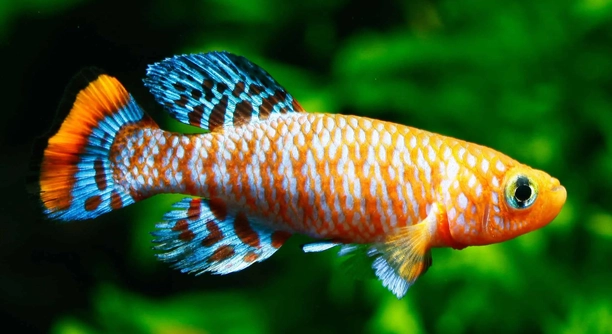
Killi fish sometimes behave in unusual ways, including what looks like “playing dead.” This curious behavior can catch the attention of fishkeepers and nature observers alike. Understanding why it happens sheds light on their unique survival tactics.
Killi fish “play dead” as a defense mechanism to avoid predators. By remaining motionless and appearing lifeless, they reduce the chance of being noticed or attacked. This behavior helps increase their chances of survival in the wild.
Learning about this fascinating survival trick reveals more about killi fish’s natural habits and how they interact with their environment.
Why Killi Fish Use Thanatosis
Thanatosis, or “playing dead,” is a survival strategy seen in many animals, including killi fish. When threatened by predators, killi fish stop moving and float or lie still near the bottom of their habitat. This behavior makes them less noticeable since many predators focus on moving prey. By mimicking death, the fish may convince the predator that it is no longer a suitable meal. This tactic can give the fish enough time to escape once the predator loses interest. Thanatosis is especially useful in environments where hiding places are limited, making stillness the safest option. It is important to note that this behavior is involuntary, triggered by stress or danger. Not all killi fish respond this way, but those that do show a fascinating adaptation to avoid becoming prey in their natural settings.
The “playing dead” behavior is temporary and usually lasts only a few minutes. Once the threat passes, the fish resumes normal activity.
Killi fish rely on quick reactions to danger, and thanatosis is one part of their defensive repertoire. This method is energy-efficient compared to constant fleeing. Observing this behavior can help fishkeepers recognize stress in their tanks and adjust conditions accordingly. Proper tank setup with hiding spots can reduce the need for such extreme defense. Understanding thanatosis helps appreciate the complexity behind the simple appearance of these small, colorful fish.
How Environment Affects This Behavior
A killi fish’s environment influences how often it plays dead. In safe, well-planted tanks, they feel secure and rarely use this defense. In contrast, overcrowded or noisy environments cause more stress, increasing thanatosis episodes.
When fish live in peaceful settings with enough space and hiding places, they tend to be more active and confident. Stressful conditions make them rely on stillness to avoid threats. Keeping the water clean and stable reduces their stress, which lowers the chances of “playing dead.” If you notice frequent thanatosis, it might be a sign to improve the tank’s environment for better fish health. Recognizing these signs early can help maintain a calm and healthy habitat for killi fish.
Signs That Killi Fish Are “Playing Dead”
Killi fish become very still and sometimes float awkwardly when they “play dead.” Their fins may be limp, and they often stay near the tank bottom or close to objects.
This behavior is easy to spot because the fish stop all normal movements. Unlike resting, they do not react to gentle taps or changes in light. Their eyes may remain open but show no sign of awareness. This stillness is a clear signal of stress or fear, triggered by perceived danger. It’s important to watch for these signs to understand your fish’s well-being.
If the fish suddenly resumes swimming normally, it means the “playing dead” episode is over. But if it continues too long, check water quality and tank conditions. Sometimes illness or poor environment can cause similar symptoms, so careful observation helps differentiate between defense and health problems.
How to Support Killi Fish During Thanatosis
When killi fish show thanatosis, keeping the environment calm helps them recover quickly. Avoid sudden noises, fast movements, or shaking the tank.
Maintaining steady water parameters is crucial. Stable temperature, clean water, and balanced pH reduce stress levels in fish. Providing plenty of plants or hiding spots allows them to feel safer and less likely to “play dead.” Avoid overcrowding the tank to lower tension among fish. If this behavior happens often, it may signal that changes are needed to improve their comfort. Observing your killi fish regularly gives you clues about when they feel safe and when adjustments are necessary. A peaceful tank encourages natural behavior and helps prevent repeated thanatosis episodes.
Common Triggers for Thanatosis
Sudden loud noises or rapid movements near the tank often trigger thanatosis in killi fish. These fish are sensitive to changes in their surroundings and respond quickly to perceived threats.
Poor water quality or aggressive tank mates can also cause stress, increasing the chances of “playing dead.”
How to Prevent Stress in Killi Fish
Keeping the tank environment stable is key to reducing stress. Regular water changes, proper filtration, and avoiding overcrowding help maintain healthy conditions. Adding plenty of plants and hiding spots also makes the fish feel secure. Monitoring tank mates carefully prevents bullying, which can trigger thanatosis. Preventing stress means fewer defense behaviors and healthier fish overall.
When Thanatosis Signals a Health Problem
Sometimes thanatosis may indicate illness rather than just defense. If the fish remains motionless for long periods or shows other symptoms, a health check is needed.
FAQ
Why do killi fish sometimes appear to be “playing dead”?
Killi fish “play dead” as a natural defense mechanism called thanatosis. When they sense danger, they become very still and limp to avoid attracting predators. This behavior helps them survive by making predators lose interest since many predators look for movement before attacking.
Is “playing dead” harmful to killi fish?
No, it is not harmful if it happens occasionally. Thanatosis is a normal response to stress or danger. However, if your fish frequently “plays dead,” it might mean the environment is stressful or unhealthy. In that case, reviewing tank conditions and fish health is important.
How long do killi fish stay in this state?
Usually, killi fish stay still for a few seconds to a few minutes. Once the perceived danger passes, they quickly return to normal swimming and activity. If the fish remains motionless for too long, it may be a sign of illness or severe stress.
Can tank conditions cause killi fish to “play dead” more often?
Yes, poor water quality, overcrowding, aggressive tank mates, or sudden disturbances can increase stress, triggering thanatosis more frequently. Keeping the tank clean, calm, and well-planted helps reduce this behavior.
What should I do if my killi fish “plays dead”?
Avoid disturbing the fish while it’s still. Keep the environment calm and quiet. Check the water quality and tank setup for any issues. Adding hiding places and ensuring peaceful tank mates can help your fish feel safer and less stressed.
Is “playing dead” a sign of illness?
Sometimes it can be. If thanatosis occurs along with other symptoms such as loss of appetite, discoloration, or labored breathing, it’s best to consult a vet or experienced aquarist. Illness can cause lethargy that looks like “playing dead.”
Do all killi fish species exhibit this behavior?
Not all killi fish use thanatosis, but many species do. The behavior depends on the fish’s environment and individual temperament. Some species rely more on quick swimming to escape threats, while others use stillness.
Can “playing dead” be trained or stopped?
No, it is an instinctive response, not a learned behavior. The best way to reduce it is by providing a stress-free environment. Avoid sudden changes and keep the tank stable to help your killi fish feel secure.
Are there other fish that “play dead”?
Yes, several fish and other animals use thanatosis as a defense. This behavior is common in some catfish, cichlids, and even certain amphibians and insects.
How can I tell the difference between resting and “playing dead”?
Resting fish usually stay in one place but remain responsive to movement or light changes. A killi fish that is “playing dead” won’t react to gentle taps or changes in its environment and will appear limp or lifeless.
Does “playing dead” help killi fish survive in captivity?
While it is more useful in the wild, this defense still helps in captivity by reducing stress during frightening events. Providing a quiet and stable tank reduces the need for this behavior.
Can stress-induced “playing dead” affect a fish’s health long term?
Chronic stress can weaken a fish’s immune system and lead to health problems. Frequent thanatosis episodes may indicate ongoing stress, so it’s important to address the causes early for the fish’s well-being.
What environmental changes help reduce thanatosis?
Improving water quality, adding plants and hiding spots, avoiding overcrowding, and minimizing sudden noise or movement all help reduce stress. Stable temperature and proper feeding routines also support healthier, calmer fish.
Is “playing dead” more common in young or old killi fish?
Both young and old fish can show thanatosis, but younger fish might use it more often since they are more vulnerable. Older fish sometimes become less reactive but can still display this behavior if threatened.
Should I separate a killi fish that “plays dead” often?
If one fish causes stress by bullying or chasing, separating the affected fish can help. Otherwise, focus on improving overall tank conditions before considering isolation, as social interaction can be important for many species.
Killi fish are fascinating creatures with unique behaviors that help them survive in their environment. One of these behaviors is “playing dead,” also known as thanatosis. This natural response helps the fish avoid predators by making them appear lifeless. Although it might seem strange or worrying at first, it is a normal and important part of how killi fish protect themselves. Understanding this behavior gives us a better view of their needs and how they live in the wild and in home tanks.
When killi fish “play dead,” it is usually a sign they feel threatened or stressed. This can happen because of sudden movements, loud noises, poor water conditions, or aggressive tank mates. It is important to create a peaceful and stable environment for the fish to reduce these stress triggers. Providing plenty of plants, hiding places, and maintaining good water quality helps the fish feel safe and comfortable. If the fish shows thanatosis often, it is a sign to check the tank and make changes to improve their living conditions.
Watching your killi fish “play dead” can be surprising, but it is just one way they survive. This behavior is not harmful when it happens occasionally but should be monitored to ensure the fish are healthy and not under constant stress. By paying attention to their environment and behavior, you can support their well-being and enjoy the natural traits that make killi fish special. Creating a calm and secure home helps your fish thrive and reduces the need for defensive actions like thanatosis.

Hello,
If you enjoy the content that we create, please consider saying a "Thank You!" by leaving a tip.
Every little bit helps us continue crafting quality advice that supports the health, happiness, and well-being of pets around the world, for pets of all shapes, sizes, and species.
We really appreciate the kindness and support that you show us!