
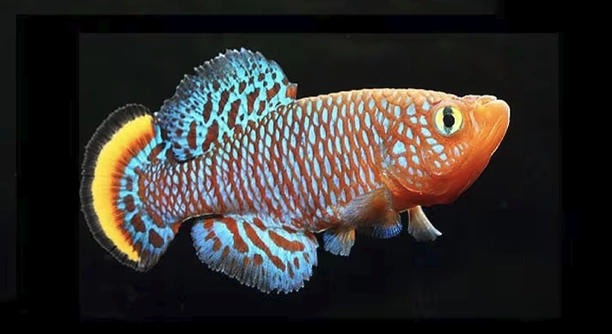
Have you ever noticed your killifish floating upright and wondered if something might be wrong with your tank or their health?
The most common reason killifish float vertically is due to swim bladder issues, often caused by poor water quality, constipation, or stress. This posture can also be a natural resting position in some species.
Understanding what causes this behavior can help you better care for your killifish and maintain a balanced, stress-free aquarium environment.
What Causes Killifish to Float Vertically
Vertical floating in killifish can sometimes look strange, but it’s often linked to a few common factors. Poor water conditions are a big one—if the ammonia or nitrate levels are too high, it can stress the fish and affect how they swim. Swim bladder disorders are another possibility, where the organ responsible for controlling buoyancy doesn’t function properly. This might be due to overfeeding, constipation, or bacterial infection. Stress from sudden changes in water temperature, pH, or even aggression from other tank mates can also make them behave this way. Some species naturally rest in this position, so if the fish is otherwise active and eating, it might not be a cause for concern. Observing how often it happens, along with any other signs like loss of appetite or clamped fins, can help you understand whether it’s harmless or something that needs attention.
Noticing this behavior now and then may be normal, but when it becomes frequent, it’s worth checking the tank conditions.
Always test your water first. If ammonia, nitrites, or nitrates are off, do a partial water change. Keep the temperature stable, and avoid overfeeding. High-quality food and regular tank maintenance also make a difference in keeping your fish healthy.
How to Help Your Killifish
Make small changes first and monitor your fish. A few adjustments may quickly improve their behavior.
Start by checking your tank’s parameters. Test for ammonia, nitrite, nitrate, pH, and temperature using a reliable test kit. Killifish prefer clean, soft, slightly acidic water with stable temperatures. If water levels are off, do a 25–50% water change and remove any uneaten food or waste. Avoid sudden temperature shifts. When feeding, stick to high-quality, protein-rich foods, and don’t overfeed—constipation can quickly lead to swim issues. If the problem continues, isolate the fish in a clean tank with gentle filtration and observe it closely. Sometimes fasting the fish for a day or two can help clear up digestive issues. If you notice signs of infection like swelling or redness, you may want to use a mild antibacterial treatment. Most importantly, stay consistent with your tank care routine. A stable, calm environment helps prevent stress, giving your killifish the best chance to thrive.
Recognizing When It’s Serious
If your killifish is floating vertically for hours, looks tired, or isn’t eating, it might be more than a resting position. Pay attention to other signs like bloating, discoloration, or clamped fins, which can mean something more serious is going on inside.
Some swim bladder issues can resolve on their own with clean water and a short fast, but not always. If the fish seems lethargic, tilts to one side, or struggles to swim normally, it’s time to take action. Quarantine the fish if possible. This helps reduce stress and gives you a better view of its behavior. Offer a small, peeled pea—this can sometimes ease mild constipation. If there’s no improvement in a day or two, consider a bacterial treatment. Avoid harsh chemicals unless you’re sure of the cause. Simple, slow changes can help the fish recover without adding more stress to its system.
A killifish that isolates itself and keeps to the top or bottom for long periods may be showing signs of illness. Watch how it reacts during feeding time. If it ignores food or floats awkwardly, this isn’t normal. A healthy killifish usually swims actively and responds quickly to movement. When it loses interest in its surroundings or develops unusual markings, take it seriously. Even if the water looks clean, test it again and double-check the heater. Sometimes an unnoticed temperature shift or filter issue can lead to long-term stress. Treating symptoms early is always better than waiting until the fish’s condition worsens. Prevention and early care go a long way in helping them bounce back.
Common Mistakes to Avoid
Overfeeding is a frequent mistake. Even a small amount of excess food can cause digestive problems, leading to swim bladder stress. Feed only what your killifish can eat in a minute, once or twice a day.
Another mistake is skipping regular tank maintenance. Dirty filters, old water, or sudden changes in temperature can lead to stress and illness. Staying on a consistent schedule helps prevent health problems and keeps the environment stable.
When to Use Medication
Use medication only when symptoms point to a clear illness, like swelling, open sores, or abnormal swimming that doesn’t improve with fasting or clean water. Avoid adding medicine as a quick fix—misuse can cause more harm than good. Choose a mild antibacterial treatment that’s safe for delicate species like killifish. Always read the label and dose carefully. If you’re unsure, isolate the fish before treatment. Quarantine tanks give you control over dosing and reduce the risk to other fish. Keep the water extra clean during this time and monitor closely. Improvement may take a few days, so stay patient.
Natural Behaviors vs. Warning Signs
Some killifish naturally float or pause in one spot during rest. If their color stays bright, they respond to movement, and still eat well, it’s likely normal behavior.
FAQ
Can vertical floating be a natural behavior in killifish?
Yes, in some species it can be. Certain killifish may hover in a vertical or diagonal position during rest, especially near plants or corners of the tank. If your fish still eats, swims normally afterward, and shows no signs of distress, it’s likely just a normal resting posture. Always observe closely to make sure there are no other symptoms.
How can I tell if it’s a swim bladder issue?
Look for signs like tilting, floating at odd angles, or struggling to stay upright. If your killifish floats vertically for long periods, can’t swim downward, or rolls slightly while swimming, it could point to swim bladder stress. These signs often show up along with reduced appetite or sudden changes in behavior. Swim bladder problems can result from diet, infection, or injury.
What should I feed a killifish showing swim problems?
Start by offering a peeled, cooked green pea. This helps relieve constipation, which is a common cause of swim bladder stress. Avoid dry flakes for a few days and switch to soaked pellets or frozen foods like daphnia, which are easier to digest. Keep feedings small and consistent. Monitor the fish for improvement within 24 to 48 hours.
Do water changes really make a difference?
Yes. Clean water plays a big role in a fish’s health. Elevated ammonia or nitrite levels can stress your killifish and make swimming difficult. A 25–50% water change with treated, temperature-matched water can ease symptoms quickly. Always test water before and after a change to make sure the tank remains stable.
How often should I test the water?
Test weekly, especially in smaller tanks or if you’ve had recent problems. Use a reliable liquid test kit for ammonia, nitrite, nitrate, pH, and temperature. Sudden changes can lead to stress or illness, so keeping track regularly helps catch problems early before your killifish starts showing symptoms.
Should I isolate the fish right away?
Only isolate if the fish seems very weak, isn’t eating, or is being bullied. A separate tank lets you watch it more closely and reduces stress. Keep the water clean and quiet. This also prevents the spread of illness if you’re dealing with an infection. Isolation isn’t always needed, but it’s a helpful option when symptoms persist.
Can this behavior spread to other fish?
The behavior itself won’t spread, but if the cause is bacterial or related to poor water, it can affect others. That’s why it’s important to address water quality and hygiene quickly. If multiple fish begin showing similar symptoms, it may be time to treat the whole tank or clean more thoroughly.
What if my fish floats vertically only after eating?
That often points to digestive issues. Overfeeding or low-quality food can lead to gas buildup or constipation, making it harder for the fish to control its position. Try feeding smaller meals and skipping a day. Peas or fiber-rich frozen foods can help clear up mild cases within a couple of days.
Do I need to adjust the filter?
If the current is too strong, it may stress smaller or weaker killifish. Floating near the top or staying vertical could be their way of avoiding strong water flow. Try redirecting the filter output or adding a sponge to soften the flow. Fish often settle down once the current feels manageable.
What does it mean if the fish has clamped fins too?
Clamped fins usually mean stress or illness. If your killifish is floating vertically and keeping its fins tight to its body, something’s likely wrong. Check the water right away and look for other symptoms like changes in color, breathing speed, or lack of appetite. Clamped fins rarely show up on their own.
Final Thoughts
Killifish floating vertically can sometimes be normal, but it’s also something to keep an eye on. Some species naturally rest in odd positions, especially when they feel calm and safe. However, when the behavior becomes frequent or is paired with other changes—like poor appetite, odd swimming, or clamped fins—it may be a sign that something is wrong. Water quality, overfeeding, stress, or illness are all possible reasons. Taking a closer look at your tank setup, feeding habits, and water parameters is often the first step in solving the problem. Even small adjustments can make a big difference in how your fish feels and behaves.
It’s important to stay consistent with care. Clean water, steady temperature, and good food go a long way in keeping killifish healthy. Regular maintenance, like partial water changes and filter checks, helps prevent problems before they start. Avoid adding too many new fish or decorations at once, as sudden changes can cause stress. When feeding, keep portions small and avoid giving too much at once. Watch your fish closely after feeding—if they start floating oddly or resting in strange positions, it could be a sign to adjust their diet. Fasting for a day or offering a small, soft food like a cooked pea may help relieve mild bloating or constipation.
The key is paying attention. Every fish is different, and some may act a little strange from time to time without it being a serious issue. What matters is how long the behavior lasts and whether other symptoms show up. Try not to panic if you see your killifish floating vertically once or twice. But if it becomes a pattern, trust your instincts and take simple steps to help. Check the water, clean the tank, and keep things calm. If needed, isolate the fish and observe closely. Staying calm and thoughtful in your approach can help you figure out what’s going on and what your fish needs. With gentle care and regular checks, your killifish can return to normal and continue to thrive in a peaceful, balanced tank.

Hello,
If you enjoy the content that we create, please consider saying a "Thank You!" by leaving a tip.
Every little bit helps us continue crafting quality advice that supports the health, happiness, and well-being of pets around the world, for pets of all shapes, sizes, and species.
We really appreciate the kindness and support that you show us!