
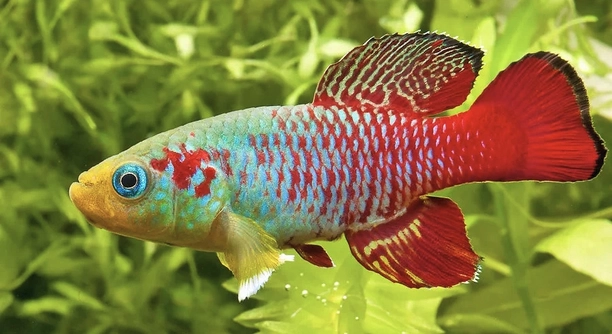
Are your killifish constantly flaring their fins without an obvious cause? This behavior can be concerning for fishkeepers trying to understand their pets’ health and environment. Flaring fins often signal something important about their current condition or surroundings.
Killifish flare their fins mainly due to stress, territorial disputes, or poor water conditions. These factors provoke defensive or aggressive displays, which are natural responses aimed at protecting their space or signaling discomfort in their habitat.
Recognizing these triggers can help you improve your killis’ environment and well-being over time. This article will guide you through the common causes and solutions for frequent fin flaring.
Common Causes of Fin Flaring in Killifish
Killifish flare their fins for several reasons, most related to their environment or social interactions. One common cause is stress, which can arise from poor water quality, sudden changes in temperature, or overcrowding in the tank. When water conditions are not ideal, killifish become uncomfortable and display fin flaring as a warning or defense. Another cause is territorial behavior, especially when multiple males are kept together. Killis use fin flaring to assert dominance or protect their space. Additionally, insufficient hiding spots or decorations can increase aggression and fin flaring. It is important to monitor your tank conditions and fish behavior closely to identify what might be triggering this display. Regular maintenance and tank adjustments can greatly reduce unnecessary fin flaring and help your killifish feel more secure.
Keeping water parameters stable and maintaining tank cleanliness is essential for killifish health.
Providing enough space and hiding places helps minimize aggressive fin flaring between fish.
Fin flaring may seem like aggression, but it is often a natural communication method for killifish. When males compete, they spread their fins to look bigger and stronger. This behavior helps avoid physical fights, which could cause harm. However, if fin flaring happens too often or seems extreme, it could indicate ongoing stress or poor conditions in the tank. Balancing the tank environment with appropriate water quality, temperature, and decorations will encourage peaceful behavior. Separating aggressive males or reducing crowding can also help. Understanding these behaviors makes it easier to keep killifish healthy and reduce constant fin flaring.
How to Improve Tank Conditions for Killifish
Improving tank conditions starts with regular water testing and maintenance.
Ensuring stable water parameters such as pH, temperature, and cleanliness is critical for reducing fin flaring in killifish. Frequent water changes help keep nitrate and ammonia levels low, which lowers stress. Killifish thrive in slightly acidic to neutral pH, so avoid sudden shifts. The temperature should match the species’ natural habitat, usually between 72 and 78°F. Overcrowding increases aggression, so keep an appropriate number of fish per tank size. Adding plants, rocks, and hiding spots offers shelter and reduces territorial disputes. These changes create a comfortable environment that minimizes fin flaring. Observing your fish regularly will help spot signs of stress early. Adjusting tank conditions before problems grow prevents long-term health issues and promotes a peaceful aquarium. Regular care is the best way to support your killifish’s natural behavior and well-being.
Recognizing Stress in Killifish
Stress in killifish often shows through constant fin flaring and erratic swimming. Changes in color or hiding more than usual can also indicate stress. Identifying these signs early helps prevent worsening conditions and promotes a healthier tank environment.
Stress results mainly from poor water quality, overcrowding, or incompatible tank mates. Killifish are sensitive to sudden changes, so frequent fluctuations in temperature or pH increase stress levels. Overcrowding forces fish into close contact, causing territorial disputes that lead to fin flaring. Additionally, aggressive tank mates can intimidate killifish, causing them to display defensive behaviors. Monitoring tank conditions closely and providing enough space and proper companions helps reduce stress. Avoid sudden changes by maintaining stable parameters and giving killifish a peaceful environment.
Regular observation of your killifish’s behavior is key to spotting stress early. Addressing problems such as water quality or aggression promptly will improve their well-being and reduce constant fin flaring.
Adjusting Your Tank Setup
Proper tank setup involves controlling space, hiding places, and water conditions. Overcrowded tanks increase aggression and fin flaring. Ensuring adequate space reduces stress and territorial behavior.
Plants and decorations create natural barriers that help break sightlines between fish, lowering aggression. Killifish need places to retreat when feeling threatened, which calming areas provide. Use live or artificial plants and caves to create shelter. Keeping water clean and well-filtered also supports health. Regular water changes prevent toxin buildup that causes stress and fin flaring. Adjusting lighting to mimic natural day-night cycles promotes natural behavior. By combining these elements, the tank becomes a stable and peaceful environment for your killifish to thrive in.
Managing Aggression Among Killifish
Aggression is common, especially between males. Fin flaring often signals territorial disputes. Separating aggressive fish helps reduce stress and damage.
Providing enough space and hiding spots can lower aggression. Rearranging tank decorations occasionally breaks established territories, calming fish behavior.
Monitoring Water Parameters
Maintaining stable water conditions is vital. Regular testing of pH, ammonia, nitrite, and nitrate ensures a healthy environment. Sudden changes cause stress and fin flaring. Use appropriate filtration and schedule water changes to keep parameters consistent and safe for killifish.
Feeding and Nutrition Tips
Proper diet supports overall health and reduces stress. Feed a balanced mix of live, frozen, and high-quality flake foods to meet killifish nutritional needs. Avoid overfeeding to prevent water quality issues that may lead to fin flaring.
When to Seek Expert Help
If fin flaring persists despite adjustments, consulting a specialist can help diagnose underlying health or environmental issues.
FAQ
Why do my killifish flare their fins so often?
Killifish flare their fins mainly to communicate. This behavior can mean they feel threatened, are establishing territory, or are stressed. Constant flaring usually signals something in their environment is causing discomfort, such as poor water quality, overcrowding, or aggressive tank mates. It’s important to check these factors and adjust the tank to reduce this behavior.
Is fin flaring harmful to killifish?
Fin flaring itself is not harmful; it is a natural behavior used to appear larger or warn others. However, frequent and prolonged flaring can indicate stress or aggression, which can weaken your fish’s immune system over time. If ignored, this stress can lead to illness or injury from fights, so monitoring and addressing causes is key.
How can I tell if fin flaring is from stress or aggression?
Stress-related fin flaring often comes with other signs like hiding, loss of color, or erratic swimming. Aggressive flaring usually happens during interactions between males or when new fish are introduced. Watching your fish’s behavior closely can help you determine if they are defending territory or reacting to an uncomfortable environment.
Can poor water quality cause fin flaring?
Yes, poor water quality is one of the main reasons killifish flare their fins. High ammonia, nitrite, or nitrate levels stress the fish and trigger defensive behavior. Regular water testing and maintenance are essential to keep the tank healthy and reduce fin flaring.
How often should I change the water in my killifish tank?
For most killifish tanks, changing 20-30% of the water weekly is ideal. This keeps toxin levels low and maintains stable conditions. More frequent changes might be needed if the tank is crowded or if water tests show poor quality.
Will adding plants help reduce fin flaring?
Yes, plants provide hiding places and help break up territories, reducing aggression and stress. Both live and artificial plants work well. They create a more natural environment, helping killifish feel secure and less likely to flare their fins constantly.
Should I separate male killifish to prevent fin flaring?
Separating males is often necessary to reduce aggressive fin flaring. Males are territorial and may fight if kept together in small tanks. If space allows, keep only one male per tank or provide plenty of hiding spots to limit confrontations.
What is the best diet to keep killifish healthy and calm?
A varied diet with live or frozen foods like brine shrimp, daphnia, and bloodworms helps keep killifish healthy. High-quality flake or pellet foods can supplement. Proper nutrition supports immune function and reduces stress, which lowers the chance of fin flaring caused by illness or discomfort.
Can temperature fluctuations cause fin flaring?
Yes, sudden changes in temperature can stress killifish, leading to fin flaring. Keep the tank temperature steady within the species’ preferred range, usually between 72-78°F. Use a reliable heater and thermometer to monitor and maintain stable temperatures.
What should I do if fin flaring continues after fixing water and tank conditions?
If fin flaring persists, it might be caused by underlying health issues or persistent aggression. Consider consulting a fish health expert or experienced aquarist. They can help identify disease, parasites, or behavioral problems that need specific treatment.
Is fin flaring more common in certain killifish species?
Some killifish species are naturally more territorial and prone to fin flaring, especially males. Knowing your species’ behavior helps set up the tank properly and reduce stress. Research your killifish type to tailor care and prevent constant fin flaring.
Can fin flaring be a sign of breeding behavior?
Yes, fin flaring can sometimes be part of courtship or breeding displays. Males flare their fins to attract females or show dominance during mating. This behavior usually happens alongside other signs like chasing or nest building.
How can I create a peaceful environment to minimize fin flaring?
Maintain stable water conditions, provide enough space, and add plants or decorations for hiding. Avoid overcrowding and select compatible tank mates. Regular observation helps catch early signs of stress or aggression to keep killifish calm and healthy.
Are there any medications that help reduce fin flaring?
No medication directly stops fin flaring since it is a behavior, not a disease. However, treating infections or parasites that cause stress can reduce excessive fin flaring. Focus on improving tank conditions and fish health first before considering treatments.
What role does tank size play in fin flaring?
Smaller tanks often increase fin flaring due to limited space and higher aggression. Providing a larger tank gives killifish room to establish territories without constant confrontation. The right tank size depends on species and number of fish but generally, more space means less stress and fin flaring.
Final Thoughts
Understanding why killifish constantly flare their fins is key to maintaining a healthy and peaceful aquarium. This behavior is often a natural response to stress, territorial disputes, or changes in their environment. While fin flaring itself is not harmful, frequent or intense flaring can be a sign that something in the tank needs attention. It might be poor water quality, overcrowding, or even aggressive tank mates. Paying close attention to your fish’s behavior and tank conditions will help you identify problems early and take the necessary steps to create a better living space for your killifish.
Maintaining stable water conditions is one of the most important ways to reduce unnecessary fin flaring. Regular water testing, proper filtration, and routine water changes keep the environment safe and comfortable for your fish. Keeping the tank clean and free of toxins supports their immune system and lowers stress levels. Tank setup also plays a big role. Providing enough space, hiding places, and suitable tank mates reduces aggression and territorial behavior. Rearranging decorations now and then helps break established territories and keeps your killifish from feeling the need to constantly defend their space.
Lastly, feeding your killifish a balanced diet and observing their health regularly will contribute to their well-being. Stress and fin flaring can sometimes be signs of illness, so it’s important to watch for changes in behavior or appearance. If fin flaring continues despite good water quality and tank setup, consulting a specialist can help identify hidden problems. By addressing these factors carefully and consistently, you can enjoy watching your killifish thrive with minimal stress and natural behavior. This approach leads to a healthier aquarium and more enjoyment from your fishkeeping experience.

Hello,
If you enjoy the content that we create, please consider saying a "Thank You!" by leaving a tip.
Every little bit helps us continue crafting quality advice that supports the health, happiness, and well-being of pets around the world, for pets of all shapes, sizes, and species.
We really appreciate the kindness and support that you show us!