
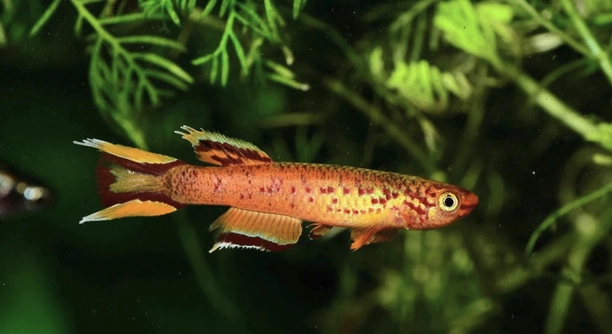
Killi fish are popular aquarium pets known for their vibrant colors and peaceful nature. Many fish owners want to provide the best environment to keep them healthy and thriving. Understanding their needs is important for proper care.
Killi fish do require a dark period at night to maintain their natural biological rhythms. A consistent light-dark cycle helps regulate their sleep and activity patterns, supporting overall health and well-being. Without darkness, stress and behavioral issues may arise.
Knowing how to create a suitable light cycle can improve your fish’s quality of life. This article will explain why darkness matters and how to set up the right environment for killi fish.
Why Killi Fish Need a Dark Period
Killi fish come from environments where day and night cycles are natural and consistent. Their bodies rely on these light changes to maintain normal behavior. During the day, they are active, exploring and feeding. At night, darkness signals their bodies to rest and recover. Without a dark period, their stress levels can rise, leading to weakened immune systems or abnormal behavior. Keeping a regular light schedule mimics their natural habitat, which helps maintain healthy growth and reproduction. Light exposure that lasts too long or is inconsistent can confuse their internal clocks. This disruption might make them restless or less active during the day. Aquarium owners should pay attention to lighting because it directly affects the well-being of these delicate fish. A simple timer can help provide a steady cycle, ensuring that killi fish get enough rest and stay vibrant.
Proper light management is key to reducing stress and promoting normal behavior in killi fish.
Establishing a 10 to 12-hour dark period at night aligns with their natural rhythms. This rest phase supports essential biological functions and helps prevent common health problems linked to constant light exposure. Providing darkness is not just about comfort but about sustaining their life cycle and keeping their environment balanced.
How to Create a Suitable Night Environment
Killi fish need a quiet, dark space at night to feel secure and rest properly.
To set up a good night environment, use an aquarium light timer to provide consistent light and dark periods. Avoid bright or flashing lights during their resting hours, as these can disturb their sleep. Dim the room lights or close blinds to reduce external light interference. Some aquarium owners add plants or decorations that create shaded areas, giving the fish places to hide and feel safe. Maintaining a stable temperature overnight also helps keep their environment comfortable. Gradual transitions between light and dark are better than sudden changes, as they allow fish to adjust naturally. These steps help replicate the peaceful conditions killi fish experience in their natural habitats, improving their overall health and longevity.
Lighting Duration for Killi Fish
Killi fish generally need about 10 to 12 hours of light each day. This amount supports their natural activity without causing stress or fatigue. Maintaining a consistent lighting schedule is important for their health.
Too much light can overstimulate killi fish, making them restless and stressed. Extended light exposure may reduce their appetite and disrupt sleep patterns. It can also promote excessive algae growth, which affects water quality and their comfort. A stable light cycle helps regulate their biological clock, encouraging normal feeding and breeding behaviors. Using a timer ensures the light turns on and off at the same time daily, providing a reliable routine. This consistency helps mimic the fish’s natural environment, contributing to their well-being in captivity.
While 10 to 12 hours is ideal, slight variations can be adjusted depending on your tank setup. However, avoiding long periods of continuous light is crucial. Darkness allows killi fish to rest properly, supporting overall health and reducing stress-related issues.
Signs Killi Fish Need More Darkness
If killi fish appear restless or hide excessively, they may need more darkness in their environment.
Restlessness or unusual swimming patterns at night indicate disruption of their natural rhythm. Without proper darkness, they can become stressed, showing signs like loss of appetite or faded coloration. Lack of sleep can also make them vulnerable to illness. Adding or extending the dark period can help restore balance. Observing their behavior closely during night hours can reveal if adjustments are needed. Providing a calm and stable light cycle improves their comfort and health, helping them thrive in a home aquarium.
Adjusting Light Cycles for Different Seasons
Killi fish may need slight changes in their light cycles depending on seasonal shifts.
Shorter daylight hours in winter can be mimicked by reducing light exposure. This helps keep their natural rhythms aligned with the environment.
Impact of Constant Light Exposure
Constant light exposure can cause chronic stress in killi fish. Stress weakens their immune system and can lead to illness or early death. It also disrupts their normal behavior, making them less active during the day. Keeping a consistent dark period helps avoid these problems and supports their long-term health.
Using Timers for Consistent Lighting
Timers help maintain a stable light and dark schedule. They remove guesswork and prevent accidental overexposure to light.
Natural Darkness vs. Artificial Darkness
Natural darkness is ideal but artificial light control can effectively simulate it in aquariums.
FAQ
Do killi fish need complete darkness at night?
Killi fish benefit from a dark period that closely resembles natural nighttime conditions. Complete darkness helps regulate their sleep and activity cycles. However, low or dim lighting during the night can sometimes be tolerated, but it’s best to avoid bright lights or sudden flashes. Consistent darkness signals their bodies to rest properly, reducing stress and promoting better health.
How long should the dark period last?
A dark period of about 12 hours is usually ideal for killi fish. This matches their natural habitat’s day-night cycle. Some variation between 10 to 12 hours is fine, but it should remain consistent each day. Too little darkness can cause stress, while too much might interfere with their feeding habits and activity.
Can I use a timer to control lighting for killi fish?
Yes, timers are highly recommended to ensure a regular light and dark cycle. They help maintain consistency without needing manual adjustments daily. Timers reduce the risk of accidentally leaving the light on too long or turning it off too early. This stability supports the fish’s natural rhythms and overall well-being.
What happens if killi fish don’t get enough darkness?
Without enough darkness, killi fish may become restless and stressed. Their immune systems can weaken, making them prone to illness. Behavioral problems like loss of appetite and abnormal swimming can also appear. Over time, constant light exposure can reduce their lifespan and overall health.
Is it harmful to keep the aquarium light on all day?
Keeping the light on all day is not advisable. Constant light disrupts the fish’s natural cycles and can increase algae growth, which affects water quality. Continuous exposure to light can cause stress and fatigue in killi fish, preventing proper rest and recovery. It’s important to provide a clear dark period.
Can plants or decorations help with the dark period?
Yes, adding plants or decorations that create shaded areas helps fish feel secure during the dark period. These provide hiding spots that mimic natural shelters and reduce stress. Shaded areas also soften the transition from light to dark, making the environment more comfortable for the fish.
What type of light is best for killi fish tanks?
Soft, natural-spectrum lighting that mimics daylight is best. Avoid overly bright or harsh lights, as they can stress the fish. LED lights with adjustable settings work well because they allow control over intensity and timing. Using a timer with these lights ensures a proper day-night rhythm.
Can killi fish adapt to artificial lighting schedules?
Killi fish can adapt well to artificial lighting schedules if the cycle is consistent. Sudden changes or irregular light periods cause stress. Maintaining a steady routine of light and dark hours helps the fish maintain normal behavior and health, even in an artificial environment.
Should I adjust lighting during breeding?
During breeding, it’s important to keep lighting consistent but not excessive. Sudden bright light or constant illumination can disrupt breeding behavior. A balanced light-dark cycle encourages natural mating habits and helps the fry develop properly.
Is it okay to use night lights or dim lighting at night?
Dim lighting or night lights can sometimes be used, but they should be very low intensity. Bright or flashing lights disturb killi fish and interrupt their rest. Ideally, the dark period should be as close to natural night conditions as possible, meaning near-total darkness.
How can I tell if my killi fish are stressed due to lighting?
Signs of stress include frantic swimming, hiding more than usual, faded colors, and loss of appetite. If these appear alongside irregular light cycles or constant exposure to bright light, it’s a strong indicator that lighting needs adjustment.
Can lighting affect algae growth in the tank?
Yes, excessive lighting encourages algae growth, which can harm water quality and fish health. Keeping the light period within 10 to 12 hours and avoiding light leaks during the dark period helps control algae buildup.
Is it necessary to turn off room lights as well?
Turning off or dimming room lights during the aquarium’s dark period is beneficial. External light can disturb the fish and reduce the effectiveness of their night rest. Creating a calm, dark environment around the tank supports their natural rhythms.
What’s the best way to transition from light to dark?
A gradual transition, such as dimming lights over 10 to 15 minutes, is ideal. Sudden changes can startle fish and disrupt their behavior. Timers with dimming features or manually adjusting lights slowly help create a smooth shift from day to night.
Can stress from improper lighting affect fish behavior long-term?
Yes, prolonged stress from improper lighting can lead to chronic health problems. It may cause abnormal behaviors, lowered immunity, and shorter lifespans. Ensuring a proper light-dark cycle supports both mental and physical health, promoting longevity.
How do wild killi fish experience light and dark cycles?
In the wild, killi fish follow natural day and night cycles with roughly equal periods of light and darkness. These cycles vary slightly with seasons but remain consistent enough to guide their behavior, feeding, and breeding patterns naturally.
Is light intensity more important than duration?
Both intensity and duration matter, but duration has a bigger impact on regulating biological rhythms. Moderate light intensity that mimics natural conditions combined with a consistent light-dark schedule offers the best environment for killi fish.
Can I use colored lights for aesthetic purposes?
Colored lights can be used but should not interfere with the natural day-night cycle. Avoid using bright or flashing colors at night. If colored lighting is desired, keep it on only during the daytime period and ensure a complete dark phase at night.
Are there any specific light brands recommended for killi fish tanks?
No specific brand is required, but choosing LED lights with adjustable brightness and timers is best. These features allow better control over lighting conditions, helping maintain the proper schedule and intensity for killi fish.
Killi fish are delicate creatures that depend on a stable environment to stay healthy. One of the most important parts of their care is providing a proper light and dark cycle. This means giving them a period of darkness each day that closely matches their natural habitat. The dark period allows their bodies to rest and recover, supporting their overall well-being. Without enough darkness, killi fish can become stressed, which can affect their behavior and health. Maintaining this balance between light and dark is not difficult but requires attention and consistency.
Using tools like timers makes it easier to provide the right amount of light and darkness every day. Timers help aquarium owners avoid accidentally leaving the light on too long or turning it off too soon. This kind of consistency helps fish follow their natural rhythms, improving their mood, appetite, and activity levels. It also reduces the chance of illness caused by stress. In addition to timers, adjusting the tank environment with plants or decorations can help fish feel more secure during the dark period. These elements create shaded areas and hideouts that make the fish more comfortable and calm.
Taking care of killi fish means paying attention to small but important details like lighting. A regular, stable light-dark schedule supports their natural behavior and health. While it may seem like a simple detail, providing a proper dark period has lasting effects on the fish’s lifespan and quality of life. Aquarium lighting is not just about making the tank look good but about creating an environment that respects the needs of living creatures inside. By understanding and applying these basic care practices, anyone can help their killi fish live a happier, healthier life.

Hello,
If you enjoy the content that we create, please consider saying a "Thank You!" by leaving a tip.
Every little bit helps us continue crafting quality advice that supports the health, happiness, and well-being of pets around the world, for pets of all shapes, sizes, and species.
We really appreciate the kindness and support that you show us!