
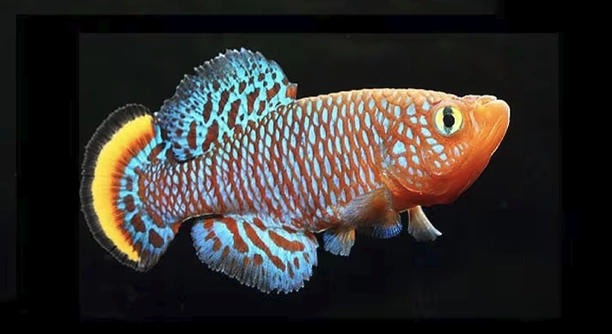
Killi fish are small, colorful freshwater fish often kept in home aquariums. Their behavior can vary throughout the day, making some owners wonder about their activity patterns. Understanding when these fish are most active helps create a better environment for them.
Killi fish are generally more active during daylight hours but can show bursts of activity at night depending on their species and environment. Their natural behavior involves adapting to light and temperature changes, influencing their movement and feeding times.
Knowing their activity patterns supports healthier care and enhances your experience as a keeper of these lively fish.
Killi Fish Activity Patterns
Killi fish tend to be most active during daylight, especially in the morning and late afternoon. Their movement increases when the aquarium lights are on, simulating natural daylight. At night, many killi species rest or become less active, though some may show brief activity if disturbed or during feeding times. These fish rely on light cues to regulate their behavior, and sudden changes can affect their activity levels. Tank setup, such as plants and hiding spots, also influences their movement. A well-decorated aquarium gives them places to explore and rest. Temperature plays a role too, as cooler water tends to slow them down. Observing your killi fish throughout the day can help you notice these natural rhythms and adjust care accordingly to keep them healthy and comfortable.
Killi fish do not generally swim actively at night unless environmental conditions change. Their rest periods are important for maintaining energy.
Understanding these patterns helps create a stable environment that supports their natural behavior and well-being in captivity.
How Light Affects Killi Fish Behavior
Light has a significant impact on the activity of killi fish. Bright and consistent lighting encourages daytime movement and feeding. In contrast, dim or inconsistent light can make them more hesitant to swim freely. Sudden darkness signals them to rest, reducing activity. Aquarium owners often use timers to mimic natural day and night cycles, which helps stabilize the fish’s internal clock. Without this routine, killi fish may become stressed or display irregular activity, affecting their health. Using low-intensity lighting at night allows for viewing without disturbing their rest. By understanding how light influences their behavior, owners can optimize conditions to keep killi fish active and thriving during their waking hours while respecting their need for rest.
Feeding Times and Killi Fish Activity
Killi fish often become more active around feeding times. Their anticipation can lead to increased swimming and alert behavior, especially if they are on a regular feeding schedule.
Consistent feeding times help killi fish develop a routine, which makes their activity more predictable. They learn to recognize when food will be offered, leading to heightened movement before and during feeding. This response is natural and linked to their survival instincts in the wild, where food availability is sometimes limited. Feeding small amounts several times a day encourages more frequent activity and helps prevent overeating. Offering a varied diet, including live or frozen foods, keeps them interested and motivated. Sudden changes in feeding schedules can cause stress and reduce activity temporarily.
Providing feeding at regular intervals not only keeps killi fish physically active but also mentally engaged. Their natural behavior includes foraging and exploring, which is stimulated by predictable meal times and diverse food types.
Tank Environment and Its Impact on Activity
The design of the tank influences killi fish movement and activity levels. Plants, hiding spots, and open swimming areas create a balanced environment.
A well-planned tank offers killi fish the right mix of shelter and space to explore. Dense plants or decorations provide places to hide, helping reduce stress, while open areas encourage swimming and play. Too much clutter can limit movement, while a barren tank may lead to boredom or anxiety. Water quality and temperature also affect their energy; clean, stable conditions support regular activity. Mimicking their natural habitat with leaf litter or moss can improve comfort and promote normal behaviors. Adjusting tank setup based on observation ensures the fish stay active and healthy, responding well to their environment.
Nighttime Behavior in Killi Fish
Killi fish tend to rest more at night, reducing their movement significantly. This resting period is important for their overall health and energy conservation.
Some species might show occasional activity at night if the tank is disturbed or during feeding, but this is less common.
Signs of Stress Affecting Activity
Stress can cause killi fish to become either overly active or lethargic. Poor water quality, sudden changes, or overcrowding often trigger this behavior.
Monitoring their activity levels and appearance helps identify stress early. Changes in color, hiding more, or erratic swimming are clear signals. Maintaining stable tank conditions reduces stress and promotes natural activity.
Adjusting Care to Match Activity Needs
Regular observation of killi fish behavior helps tailor feeding, lighting, and environment. This approach supports healthy activity patterns and reduces stress. Adjustments based on their daily rhythms improve well-being and make the tank more enjoyable to watch.
FAQ
Are Killi fish nocturnal?
Killi fish are not strictly nocturnal. Most species are more active during daylight hours and tend to rest at night. However, some killi fish may show minor activity after dark, especially if there is low light or disturbances in the tank. Their behavior depends on species and environment.
Why do my Killi fish swim more at certain times of the day?
Their activity is influenced by light and feeding schedules. Killi fish become lively during daylight, particularly in the morning and late afternoon. Regular feeding times also encourage movement as they anticipate food. Consistent tank lighting helps establish this daily routine.
Can Killi fish see well at night?
Killi fish have limited vision in the dark. They rely mostly on light to navigate, so their activity decreases significantly at night. Some species can detect faint light, but this is not enough for them to swim actively in total darkness.
What happens if Killi fish are disturbed at night?
Disturbances like tapping on the tank or sudden light changes can temporarily wake Killi fish, causing short bursts of activity. While this is natural, frequent disruptions can stress them, affecting their health and behavior over time.
How does tank lighting affect Killi fish behavior?
Proper lighting mimics their natural habitat and regulates their activity. Bright, stable light encourages daytime swimming and feeding, while darkness signals rest. Using timers for consistent light cycles reduces stress and supports normal behavior patterns.
Is it okay to feed Killi fish at night?
Feeding at night is generally not recommended because Killi fish are less active and may not eat well. Feeding should be done during daylight when they are naturally alert and ready to feed. This supports digestion and regular activity.
How do tank decorations impact their activity?
A balanced tank with plants and hiding spots allows Killi fish to feel secure and explore. Dense decorations reduce stress by offering shelter, while open spaces encourage swimming. Overcrowding the tank with decorations can limit movement, so moderation is key.
Why does water temperature affect Killi fish activity?
Killi fish are cold-blooded and depend on water temperature to regulate their energy. Warmer water increases metabolism and activity, while cooler water slows them down. Maintaining a stable temperature appropriate for their species promotes consistent behavior.
Can Killi fish get stressed from too much activity?
Yes, excessive stimulation or overcrowding can cause stress, leading to erratic swimming or hiding. Stress weakens their immune system and can shorten their lifespan. Providing a calm environment and regular routines helps prevent this.
How can I tell if my Killi fish are healthy and active?
Healthy Killi fish display bright colors, smooth swimming, and regular movement during the day. They explore the tank and react to feeding. Lack of movement, dull color, or hiding excessively may indicate illness or stress needing attention.
Killi fish have specific patterns of activity that mostly depend on light, feeding schedules, and their environment. They tend to be more active during the day, especially when the tank is well-lit and feeding times are consistent. At night, most killi fish rest or move very little, conserving energy for the next day. This natural rhythm helps maintain their health and overall well-being. Understanding these patterns allows you to provide better care and create a more comfortable home for them.
Maintaining a stable tank environment is essential to supporting the natural activity of killi fish. Proper lighting that simulates a day-night cycle encourages regular movement and feeding behavior. A balanced tank setup with enough hiding places and open swimming space keeps the fish engaged while reducing stress. Consistent water temperature and good water quality also play important roles in keeping the fish active and healthy. Watching how your killi fish respond to these conditions can help you make necessary adjustments that improve their daily routine.
Observing killi fish behavior gives valuable insight into their needs. When they are active, curious, and feeding regularly, it usually means they are healthy and comfortable. If you notice changes such as excessive hiding or erratic swimming, it may indicate stress or illness, requiring attention. By providing a calm, stable environment with regular care, you support their natural rhythms and overall happiness. Taking the time to learn about their activity patterns helps ensure that your killi fish thrive in captivity.

Hello,
If you enjoy the content that we create, please consider saying a "Thank You!" by leaving a tip.
Every little bit helps us continue crafting quality advice that supports the health, happiness, and well-being of pets around the world, for pets of all shapes, sizes, and species.
We really appreciate the kindness and support that you show us!