
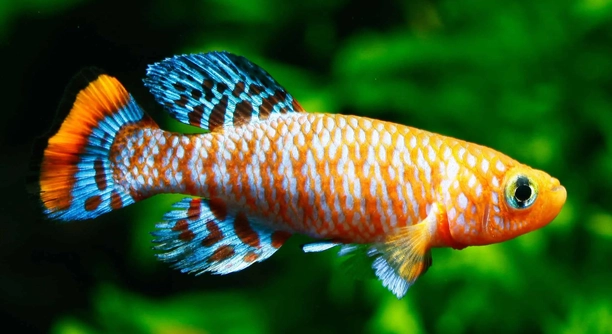
Killi fish are a popular choice for many aquarium enthusiasts due to their vibrant colors and interesting behaviors. Breeding them successfully requires attention to detail and proper tank setup. Avoiding common mistakes can help ensure a healthy breeding environment for these delicate fish.
Avoiding poor water quality, incorrect tank conditions, overcrowding, improper feeding, inadequate hiding spaces, unstable temperatures, and ignoring signs of stress are crucial in killifish breeding tanks. Each factor negatively impacts breeding success and fish health and must be carefully managed.
Knowing what to avoid will help you create a better environment for your killis to thrive and reproduce. This article highlights key points to keep in mind when setting up and maintaining breeding tanks.
Poor Water Quality
Maintaining clean water is essential for killifish breeding tanks. Poor water quality stresses the fish and can lead to disease or failure to breed. Regular water changes help keep ammonia, nitrites, and nitrates at safe levels. Using a gentle filter prevents strong currents that might disturb the delicate eggs and fry. Testing the water regularly ensures that pH and hardness remain stable, as killifish are sensitive to sudden changes. Avoid overcrowding, which can increase waste and lower water quality quickly. Keeping uneaten food removed also prevents toxins from building up. Taking these steps creates a healthy environment where killifish can thrive and breed successfully without unnecessary stress.
Regular maintenance and water testing are key to keeping your breeding tank stable and safe for killifish development.
Cleaning the tank regularly may seem tedious, but it is critical for successful breeding. Frequent water changes dilute harmful chemicals and keep the tank balanced. A filter designed for gentle water flow prevents disturbance to eggs. Overfeeding and overcrowding both contribute to waste buildup, so controlling these factors helps keep water conditions ideal. Monitoring parameters like pH and hardness helps avoid sudden shifts that can stress the fish. Proper tank care supports healthy fry growth and reduces the risk of disease, allowing you to enjoy the results of your efforts.
Overcrowding and Tank Size
Overcrowding can harm killifish breeding efforts by increasing stress and waste.
Killifish need space to swim and hide for breeding to occur naturally. A crowded tank leads to competition for food and hiding spots, raising aggression and stress levels. Stress weakens immune systems and reduces breeding success. Fry may also be eaten by adults in tight spaces. Selecting an appropriately sized tank based on the number of fish is important. Providing plenty of plants or spawning mops offers safe areas for egg-laying and fry protection. Maintaining a balance between fish numbers and tank size encourages healthier fish and better breeding outcomes over time.
Improper Feeding
Feeding killifish too much or the wrong food can cause health problems and poor breeding results.
Overfeeding leads to leftover food that pollutes the water, increasing ammonia and nitrate levels. Killifish benefit from a varied diet that includes live or frozen foods like brine shrimp or daphnia. These foods encourage natural behavior and improve breeding readiness. Avoid feeding only flakes or pellets, which may lack essential nutrients. Regular feeding schedules with small portions help maintain water quality and fish health. Balanced nutrition supports egg production and fry development, improving overall breeding success.
A diet high in protein and variety encourages healthy growth and reproductive activity. Lack of proper nutrition weakens the fish and reduces fertility. Feeding live foods also stimulates natural hunting behavior, which can trigger spawning. Pay attention to the amount and type of food given, as both excess and deficiency have negative effects on breeding.
Inadequate Hiding Spaces
Killifish need hiding places for comfort during breeding and to protect their eggs and fry.
Plants, spawning mops, and other decorations provide shelter from aggressive tank mates and reduce stress. Without enough cover, killifish may become anxious, causing them to hide less or avoid breeding altogether. Hiding spaces also serve as safe spots for fry to avoid being eaten. Incorporating fine-leaved plants or synthetic spawning mops mimics natural environments where killifish feel secure. Proper shelter encourages natural behaviors, increases egg survival rates, and supports healthier offspring growth. A well-structured tank with adequate hiding spots fosters a calm environment, which is essential for successful breeding.
Ignoring Signs of Stress
Signs of stress in killifish include hiding, loss of appetite, and erratic swimming. Ignoring these signs can lead to illness and poor breeding outcomes. Monitoring behavior helps catch problems early.
Stress often results from poor water conditions, overcrowding, or lack of hiding places. Addressing these issues quickly improves fish health and breeding success.
Unstable Temperatures
Killifish are sensitive to temperature changes. Sudden shifts can shock them and reduce fertility. Maintaining a consistent temperature within the species’ preferred range is essential.
Temperature fluctuations also weaken the immune system, making fish prone to disease. Using a reliable heater and thermometer helps keep conditions stable and suitable for breeding.
Overlooking Tank Cleanliness
Regular cleaning prevents waste buildup and harmful bacteria. Neglecting this allows toxins to accumulate, threatening fish health and breeding success. Keeping the tank clean supports a safe environment.
Neglecting pH Balance
pH balance affects killifish health and breeding. A stable pH matching their natural habitat encourages spawning and fry survival. Regular testing ensures the tank stays within the ideal range.
What is the best water temperature for killifish breeding tanks?
Most killifish species prefer a temperature range between 72°F and 78°F (22°C to 26°C) for breeding. Maintaining a stable temperature within this range encourages spawning and healthy fry development. Sudden temperature changes can stress the fish and reduce breeding success, so using a reliable heater and thermometer is important to keep conditions steady.
How often should I change the water in a killifish breeding tank?
Regular water changes are crucial to maintaining good water quality. Changing about 20-30% of the water weekly helps remove waste and toxins like ammonia and nitrates. Avoid large or frequent water changes that can cause sudden shifts in water parameters, which may stress the fish. Consistency is key to creating a stable environment for breeding.
What kind of food should I feed killifish to improve breeding?
A varied diet including live or frozen foods such as brine shrimp, daphnia, and bloodworms is best for killifish breeding. These foods provide high protein and stimulate natural hunting behaviors that trigger spawning. Avoid relying only on flakes or pellets, as they may lack essential nutrients needed for egg production and fry growth.
How can I tell if my killifish are stressed?
Signs of stress include hiding excessively, loss of appetite, erratic swimming, and faded colors. Stressed killifish are less likely to breed and more prone to illness. Monitoring these behaviors helps catch problems early. Stress often results from poor water quality, overcrowding, or lack of hiding places, so addressing these issues promptly improves fish health.
Why is overcrowding harmful in breeding tanks?
Overcrowding increases stress by causing competition for food and hiding spaces. This stress weakens the immune system and lowers breeding success. Fry are also more likely to be eaten in crowded tanks. Providing enough space and hiding spots reduces aggression and encourages natural breeding behavior.
What are good hiding spots for killifish breeding tanks?
Fine-leaved plants, spawning mops, and dense decorations offer excellent hiding places. These shelters reduce stress by giving fish privacy during spawning and protect eggs and fry from being eaten. Mimicking the natural environment encourages breeding and increases fry survival rates.
How important is water pH for killifish breeding?
Water pH is critical because killifish come from varied habitats with different pH levels. Most species prefer slightly acidic to neutral water (pH 6.0–7.5). Sudden pH changes cause stress and reduce fertility. Regular testing and adjustments ensure the tank stays within the ideal range for your species.
Can I breed killifish in a community tank?
Breeding killifish in a community tank is difficult because other fish may eat eggs and fry or outcompete killifish for food. A dedicated breeding tank with controlled conditions and hiding places increases the chance of success and protects offspring from predation.
How long does it take for killifish eggs to hatch?
Depending on the species and temperature, killifish eggs usually hatch within 10 to 21 days. Maintaining stable temperature and clean water speeds up development. Some species lay eggs on spawning mops or plants, so gently transferring these to a separate tank can improve hatch rates.
What should I do if my fry are getting eaten?
Providing ample hiding spots like fine plants or spawning mops helps protect fry. Separating adults from fry after spawning or using a breeding box also reduces predation. Feeding the adults well reduces their need to eat the young, increasing fry survival.
Is it necessary to use a sponge filter in killifish breeding tanks?
Yes, sponge filters are ideal because they provide gentle filtration without strong currents that can disturb eggs or fry. They also offer a surface for beneficial bacteria to grow, helping maintain water quality. Using a sponge filter helps keep the tank stable and safe for breeding killifish.
How often should I feed killifish fry?
Killifish fry should be fed small amounts multiple times a day, starting with infusoria or liquid fry food. As they grow, introduce newly hatched brine shrimp or finely crushed flakes. Frequent feeding supports rapid growth and healthy development during this vulnerable stage.
Breeding killifish can be a rewarding experience, but it requires careful attention to the environment and the needs of the fish. Avoiding common mistakes such as poor water quality, overcrowding, and improper feeding is essential for success. These factors directly affect the health and well-being of the fish, as well as their ability to reproduce. Providing clean water, balanced nutrition, and enough space helps create a stable environment where killifish feel comfortable to breed and thrive.
Hiding spaces and stable tank conditions also play a critical role in the breeding process. Killifish need places to retreat and feel safe, especially during spawning and when fry are present. Without proper shelter, stress levels can rise, which negatively impacts breeding results. Maintaining consistent water temperature and pH further supports healthy fish behavior and development. Regular monitoring and maintenance ensure that the tank remains suitable for both adult fish and their offspring.
Understanding these important factors makes it easier to care for killifish breeding tanks effectively. Attention to detail and patience are necessary, as breeding success does not happen overnight. Small adjustments in tank setup and care routines can lead to better outcomes and healthier fish. With proper management, killifish breeding can become a satisfying part of aquarium keeping, providing a chance to observe fascinating behaviors and raise vibrant new generations.

Hello,
If you enjoy the content that we create, please consider saying a "Thank You!" by leaving a tip.
Every little bit helps us continue crafting quality advice that supports the health, happiness, and well-being of pets around the world, for pets of all shapes, sizes, and species.
We really appreciate the kindness and support that you show us!