
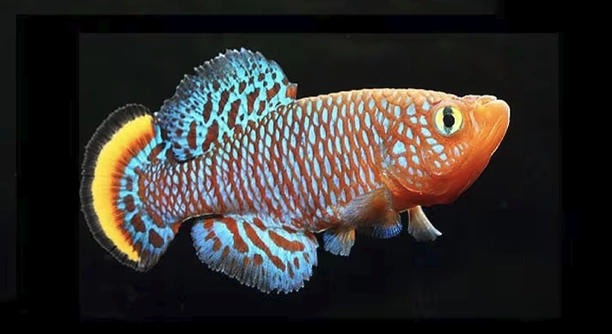
Killifish, or killis, are popular aquarium fish known for their vibrant colors and lively behavior. Many keepers enjoy watching them interact with their environment. Sometimes, these fish scrape or rub against objects in their tank, which can cause concern.
Killis scraping against objects often indicate irritation or stress. This behavior can be caused by parasites, poor water quality, or sharp decorations in the tank. Identifying the cause early helps prevent injury and promotes the fish’s health and comfort.
Understanding why your killis behave this way will help you maintain a safe and healthy aquarium environment for them. Proper care can reduce scraping and keep your fish happy.
Common Causes of Killis Scraping Against Objects
Killifish may scrape against objects for several reasons. One common cause is irritation from parasites like ich or flukes. These tiny pests attach to the fish’s skin, making them uncomfortable. Another factor is poor water quality, such as high ammonia or nitrite levels, which can damage their delicate skin and gills. Sometimes, rough or sharp decorations in the tank cause physical discomfort. If the fish’s environment isn’t properly maintained, it can increase stress and lead to scraping behavior. Monitoring water parameters regularly and choosing smooth tank decorations helps reduce risks. Additionally, overcrowding or aggressive tank mates can make killis feel stressed, which might also lead them to rub against objects. Observing your killis closely for changes in behavior or appearance is important. Early detection of any issues will allow you to act promptly and protect their health.
Stress in killifish often shows through unusual behaviors like scraping or lethargy. Stress weakens their immune system, increasing disease risks.
A balanced environment with clean water and peaceful tank mates is key to reducing stress. Regular water changes and proper filtration keep the habitat stable. Choosing soft plants or smooth decorations can prevent physical damage. If parasites are suspected, treating the tank early can stop irritation and further scraping. Remember that killis are sensitive to sudden changes, so any adjustments should be gradual. Ensuring the tank is properly cycled before introducing fish can prevent many problems. Also, feeding a varied and nutritious diet supports their health and resilience. Maintaining stable water temperature and pH levels further helps avoid stress. By creating a comfortable and clean environment, scraping behaviors usually decrease, allowing your killis to thrive.
How to Address and Prevent Scraping Behavior
Regular tank maintenance is essential for preventing scraping. Check water quality weekly to catch harmful spikes early. Use a reliable test kit to monitor ammonia, nitrite, nitrate, and pH levels. Remove any sharp or rough decorations that may injure your fish. Keeping the tank well-planted with soft-leaved plants offers safe rubbing spots that don’t harm them. Quarantine new fish before adding them to the main tank to avoid spreading parasites or diseases. Feeding high-quality food and supplements strengthens their immune system, reducing vulnerability to infections. If you notice scraping, isolate affected fish and treat for parasites if necessary. Avoid overcrowding to keep aggression low, which minimizes stress-related behaviors. A calm, clean tank with proper conditions supports your killis’ health and reduces scraping incidents.
Treating parasites quickly can save your killis from ongoing irritation. Use medications designed for killifish and follow instructions carefully. Maintain consistent water parameters during treatment to support recovery. Quarantine and treat new fish before introducing them to prevent parasite outbreaks. If scraping continues despite treatment, reassess water quality and tank conditions. Sometimes, subtle environmental stressors can be overlooked but still affect fish behavior. Regular observation is key to catching problems early. Keeping a routine schedule for maintenance and monitoring ensures your killis stay healthy and comfortable, reducing the chance of scraping behavior over time.
Identifying Parasites on Your Killis
Parasites often cause killifish to scrape against objects. Look for small white spots, redness, or damaged fins on their bodies. These signs usually indicate an infection like ich or flukes. Early detection is important to prevent serious harm.
To confirm parasite presence, closely observe your fish for unusual behavior, such as lethargy or rapid breathing. Use a magnifying glass if needed to spot tiny spots or worms. Test water quality since poor conditions can worsen parasite infections. If parasites are detected, treat the tank with appropriate medication promptly, following all instructions carefully. Quarantine affected fish if possible to stop spread.
After treatment, continue monitoring your killis for several weeks. Parasites may require multiple treatments to fully clear. Maintaining good water conditions and a clean tank environment helps prevent reinfection. Providing a nutritious diet supports your fish’s immune system during recovery, reducing the chance of future scraping behavior.
Choosing the Right Tank Setup for Killifish
A smooth, well-planted tank reduces scraping risks. Avoid sharp decorations that can injure killis’ delicate skin. Use soft plants or smooth rocks to create safe hiding spots. Proper tank size and low stocking levels help minimize stress.
A good filtration system and regular water changes keep the water clean and stable. Killifish prefer slightly acidic to neutral pH and stable temperatures around 72–78°F. Avoid sudden changes in these parameters to reduce stress. Adding floating plants can help diffuse bright lighting, which some killis dislike. Keeping the tank peaceful by avoiding aggressive fish will also prevent injury and stress-related scraping. Setting up the tank carefully helps your killis feel secure and comfortable.
Water Quality and Its Impact on Killis
Poor water quality is a common cause of scraping behavior in killifish. High ammonia, nitrite, or nitrate levels can irritate their skin and gills, leading to discomfort. Regular water testing and changes are essential to keep water safe.
Keeping water clean also reduces the risk of disease. Proper filtration and removing uneaten food prevent toxins from building up. Stable water parameters help killis stay healthy and less likely to scrape.
Monitoring Your Killis’ Behavior
Observing your killifish daily can help catch early signs of illness or stress. Changes in activity, appetite, or appearance may indicate problems. Take notes if you see scraping or rubbing.
Early detection allows for quicker intervention. This can prevent minor issues from becoming serious health problems. Regular monitoring keeps your fish comfortable and thriving.
Feeding and Nutrition for Healthy Skin
A balanced diet supports killifish health and skin integrity. Provide high-quality flakes, pellets, and occasional live foods. Vitamins and nutrients help prevent skin irritation and improve healing.
Poor nutrition can weaken their immune system, making them more vulnerable to parasites and infections that cause scraping. Feeding a varied diet supports overall well-being.
When to Seek Professional Help
If scraping continues despite proper care, consulting a vet or experienced aquarist is wise. Persistent symptoms may indicate deeper health issues requiring specialized treatment.
FAQ
Why do my killis keep scraping even though the water looks clean?
Sometimes, even if the water appears clear, invisible toxins like ammonia or nitrites may still be present and irritate your fish. It’s important to regularly test water with reliable kits. Also, parasites or tiny injuries from rough decorations can cause scraping despite clean water. Stress from overcrowding or aggressive tank mates can contribute too.
How can I tell if my killifish has parasites?
Look for white spots, small worms, redness, or damaged fins. Scraping against objects is a common behavior when parasites irritate the skin. Other signs include lethargy, loss of appetite, and rapid gill movement. If you spot these symptoms, consider treating the tank with appropriate medication and quarantining new fish.
Is scraping always a sign of illness?
Not always. Sometimes killis scrape simply because they are rubbing off old skin or cleaning themselves. However, frequent or intense scraping usually points to irritation, infection, or poor water conditions. Monitoring the frequency and any accompanying symptoms helps determine if medical attention is needed.
Can tank decorations cause scraping?
Yes. Sharp or rough decorations can injure the delicate skin of killis, causing them to scrape against objects. Smooth rocks, soft plants, and gentle surfaces help prevent physical harm. Regularly check the tank setup for any potential hazards.
How often should I test my aquarium water?
Testing water once a week is a good practice, especially for ammonia, nitrite, nitrate, and pH levels. Frequent testing helps catch problems early and keeps the environment stable. After any treatment or changes, increase testing to monitor improvements.
What treatments are safe for killifish if they have parasites?
Medications formulated specifically for killifish or tropical fish are best. Always follow the instructions closely. Avoid harsh chemicals, as killis are sensitive. Quarantine affected fish and treat separately when possible to reduce stress on the main tank population.
Can stress cause scraping?
Yes, stress weakens the immune system and can cause behaviors like scraping. Causes include poor water quality, overcrowding, aggressive tank mates, or sudden environmental changes. Reducing stress through stable conditions and a peaceful tank reduces scraping.
How can I improve my killis’ environment to prevent scraping?
Keep the water clean and stable with regular changes and proper filtration. Use smooth decorations and plenty of hiding places with soft plants. Maintain consistent temperature and pH. Avoid overcrowding and aggressive fish. Feeding a nutritious diet also supports their health.
When should I contact a veterinarian for my killifish?
If scraping continues despite improving water quality and treating parasites, it may indicate a deeper health problem. Signs like extreme lethargy, weight loss, or open wounds warrant professional advice. A vet or experienced aquarist can offer targeted treatments and support.
Is quarantine necessary for new fish?
Yes. Quarantining new fish for at least two weeks helps prevent introducing parasites or diseases to your main tank. This practice protects your killis from infections that cause scraping and other health issues.
Can diet affect scraping behavior?
Poor nutrition can weaken fish and make them more susceptible to infections and irritation. Feeding a balanced diet with quality flakes, pellets, and occasional live food supports skin health and immunity, reducing scraping risks.
Are there natural remedies for parasite control?
Some aquarists use salt baths or herbal treatments, but these should be used cautiously with killifish due to their sensitivity. It’s safer to rely on proven medications designed for tropical fish. Always research and consult before trying alternative treatments.
How do I know if my killis are stressed?
Signs include scraping, hiding excessively, loss of appetite, rapid breathing, or erratic swimming. Identifying stress early allows you to adjust tank conditions, reduce aggression, and improve overall care to help them recover.
What role does temperature play in scraping behavior?
Killifish need stable water temperatures, usually between 72–78°F. Sudden fluctuations can stress them and cause scraping or other health problems. Use a reliable heater and thermometer to maintain consistent temperatures.
Can overcrowding cause scraping?
Yes. Overcrowding increases stress, competition for food, and aggression. This can lead to physical injuries and more frequent scraping. Keeping an appropriate number of fish in a properly sized tank prevents these issues.
Killifish scraping against objects can be worrying, but understanding the reasons behind this behavior helps manage it better. Often, scraping is a sign of irritation caused by parasites, poor water quality, or rough decorations in the tank. Sometimes, stress from overcrowding or aggressive tank mates can also lead to scraping. Paying close attention to your killis’ behavior and environment is important to keep them healthy and comfortable. Regular water testing, clean tank maintenance, and safe decorations reduce many common causes of scraping.
Providing a stable and balanced environment is key to preventing scraping. Keeping water parameters consistent and clean helps avoid irritation and disease. Smooth decorations and plenty of soft plants allow killis to move around without risk of injury. Feeding a nutritious diet supports their immune system, which is essential for fighting off infections and parasites. If parasites do appear, early treatment and quarantine of new fish protect your killis from ongoing problems. Reducing stress by avoiding overcrowding and aggressive fish also lowers the chance of scraping behavior.
It’s normal to feel concerned when your fish scrape against objects, but small changes in care can make a big difference. Monitoring your killis regularly allows you to catch problems early and take quick action. When scraping continues despite good care, seeking advice from an expert or veterinarian is a good step. Overall, thoughtful tank management and attention to your killifish’s needs will help them stay healthy and active, minimizing scraping and other signs of discomfort. This will create a better environment for your fish to thrive and show their natural, colorful beauty.

Hello,
If you enjoy the content that we create, please consider saying a "Thank You!" by leaving a tip.
Every little bit helps us continue crafting quality advice that supports the health, happiness, and well-being of pets around the world, for pets of all shapes, sizes, and species.
We really appreciate the kindness and support that you show us!