
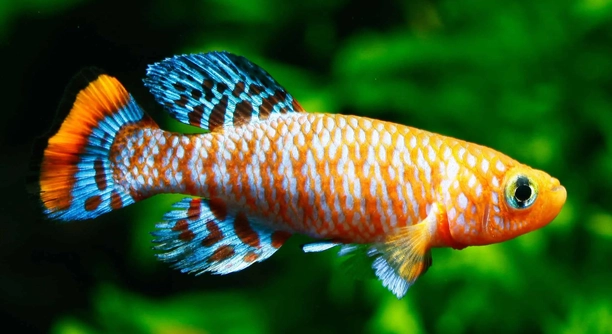
Have you ever set up a small aquarium and wondered if your Killi fish could do well without an air pump running constantly?
Killi fish can survive without aeration if their tank is well-maintained, lightly stocked, and includes live plants. These fish naturally thrive in low-oxygen environments, making them more adaptable to still water conditions than many other species.
Learning how to maintain a balanced, low-tech tank can make fishkeeping easier and more rewarding for both you and your Killi fish.
Understanding Killi Fish and Oxygen Needs
Killi fish are hardy and adaptable, especially when kept in tanks that mimic their natural habitats. They’re often found in shallow, slow-moving waters like ditches, ponds, and temporary pools. These environments are usually low in oxygen, so Killi fish have evolved to manage in those conditions. In an aquarium, this means they can thrive even without an air pump—if everything else is well balanced. Live plants help increase oxygen, and regular water changes prevent waste from building up. As long as you avoid overstocking the tank and provide proper filtration, they’ll do well.
A tank with minimal water movement actually suits them, especially if it matches their quiet nature.
It’s important to note that not all species are the same. Some require more attention to water conditions, while others are more tolerant. Knowing your specific Killi fish species helps you decide if low-aeration care is right for them or if they’ll need more support.
Signs Your Killi Fish Is Struggling Without Aeration
Watch for changes in behavior such as gasping at the surface or becoming unusually inactive. These may signal a lack of oxygen.
If your tank lacks live plants or has poor circulation, oxygen levels can drop quickly. Even though Killi fish can survive in low-oxygen conditions, prolonged exposure to poor-quality water will affect their health. Their resilience is not unlimited. If you’re seeing any signs of stress, try adding floating plants like hornwort or duckweed to help oxygenate the water. You might also want to reduce feeding frequency to keep waste levels low. Avoid placing the tank in direct sunlight, as this can increase algae and decrease oxygen. Also, always make sure your filter, even a sponge one, is running well. Low flow is fine, but no flow at all can create problems. By paying attention to the details, you can give your Killi fish a peaceful, stable environment they’ll thrive in.
Creating a Low-Aeration Setup for Killi Fish
Start with a small tank that’s easy to maintain, preferably 5 to 10 gallons. Add plenty of live plants, keep stocking low, and avoid strong water currents. Choose a sponge filter if extra filtration is needed without disturbing the water’s surface too much.
Live plants like Java moss, Anubias, and Hornwort are perfect because they help oxygenate the tank and offer hiding spaces. These plants also improve water quality by absorbing waste. Use a gentle light cycle to avoid algae overgrowth and help the plants thrive. Substrate should be simple—fine gravel or sand works well. Keep the tank away from high-traffic areas and loud vibrations, which can stress the fish. Regular partial water changes—about 25% weekly—are enough to maintain clean water. Feed sparingly to prevent leftover food from fouling the tank. A clean, low-stress setup helps your Killi fish stay healthy without needing constant aeration.
Avoid overdecorating the tank, as too many objects reduce swimming space and restrict water flow. Stick to natural-looking setups using driftwood or leaf litter. These replicate their native waters and create a calm environment. Killi fish appreciate subdued lighting, so choose a light that’s not too harsh or keep floating plants to diffuse it. Floating plants also provide cover and help maintain oxygen. When setting up the filter, go for sponge filters or very low-flow options. They provide biological filtration without disturbing the water. Make sure the tank lid fits well—Killi fish are skilled jumpers. Check water parameters weekly. Stable conditions are more important than high-tech gear. A low-aeration setup can work beautifully when kept simple and consistent.
How to Monitor Oxygen and Keep Conditions Stable
Watch your Killi fish during the day, especially when the lights are on. If they seem calm, explore actively, and show no signs of distress at the surface, oxygen is likely fine. Healthy plants and clean water also help keep levels stable.
Use an aquarium test kit to measure ammonia, nitrite, and nitrate regularly. Poor water quality often leads to oxygen issues. You can also buy an oxygen test kit if you want exact numbers. If you don’t have one, just keep an eye on plant growth and fish behavior. Trim plants if they start blocking the surface, and don’t let debris collect. A little surface movement—like from a sponge filter—can help keep oxygen levels from dropping too low. Avoid overfeeding, as decaying food lowers oxygen. Consistency is key, so set a schedule for checking the tank and stick with it. Small actions keep your setup healthy over time.
When Aeration Becomes Necessary
If your tank is heavily stocked or lacks live plants, oxygen can drop quickly. Signs like gasping, listlessness, or hanging near the surface mean it’s time to step in. Adding aeration helps stabilize things until the tank is rebalanced.
Warmer temperatures reduce oxygen in water, especially in summer. If your home gets hot or your tank light runs warm, consider a fan or cooling system. Also, increase surface movement with a sponge filter or air stone during heat waves to boost oxygen levels when your fish need it most.
Using Simple Tools to Add Oxygen
Adding oxygen doesn’t need to be complicated. A small air pump with an airstone is enough to get more surface movement without creating too much current. Sponge filters offer the same benefit while also filtering the tank gently. These are ideal for Killi fish since they don’t like strong flow. Floating plants should be thinned out if they block too much light or cover too much of the surface. Keep things minimal—simple tools and small changes can make a big difference in your tank’s oxygen levels without disrupting the setup or stressing your fish.
Final Tip for a Healthy Setup
Stick to a steady routine, avoid sudden changes, and always watch your Killi fish closely. Small details matter.
FAQ
Can Killi fish live in a tank without a filter or air pump?
Yes, they can, but only if the tank is carefully maintained. Killi fish come from still or slow-moving waters, so they tolerate low oxygen well. However, without a filter or air pump, you’ll need to rely on live plants, light stocking, and regular water changes to maintain stable water conditions. A sponge filter is still recommended because it provides biological filtration without strong water flow. If you go without both, monitor fish behavior daily, test water weekly, and avoid overfeeding. It’s possible, but only if you stay consistent with your care.
What types of plants are best for oxygen in a Killi tank?
Choose low-maintenance plants like Java moss, Hornwort, Anubias, and Amazon Frogbit. These do well in low-tech setups and help raise oxygen levels naturally. Floating plants are especially helpful because they promote gas exchange. Just be sure to trim them if they block too much light or cover the water’s surface completely. Healthy plants absorb CO₂ and release oxygen during the day, supporting your Killi fish’s needs. Avoid plastic plants—they don’t support oxygen or improve water quality. Stick with real plants for both function and comfort.
How can I tell if my Killi fish isn’t getting enough oxygen?
Look for signs like staying near the surface, gasping, low activity, or refusing food. These behaviors usually mean the water quality is poor or oxygen levels are too low. You might also notice the fish breathing faster than usual. If you see these signs, act quickly—add an airstone, improve water circulation, and check for ammonia or nitrite spikes. You don’t need fancy tools. Just paying attention daily helps catch problems early. If the fish return to normal within a few hours after improving oxygen, that’s a clear sign it was the issue.
Do I need to use an air stone if I already have a filter?
Not always. If you use a sponge filter, it already provides gentle aeration by disturbing the water’s surface. This helps with oxygen exchange. But if your tank has poor circulation, warm temperatures, or lots of fish, an extra air stone might help. It’s also useful during summer or power outages. If your fish are healthy, active, and the plants are thriving, you likely don’t need one. However, having an air stone on hand gives you flexibility if something changes in your setup.
How often should I change water in a tank without aeration?
Do small water changes once or twice a week—about 20–25% each time. This keeps toxins low and helps oxygen stay balanced. Avoid doing large water changes unless absolutely necessary, as that can stress your fish. In tanks without filtration or aeration, water quality can change quickly, especially if you feed heavily or overcrowd the tank. Stay consistent with your routine. Clean gently and regularly to prevent waste from building up. The more stable the tank, the better your Killi fish will do.
Can a power outage harm Killi fish if I don’t use aeration?
Killi fish tolerate low oxygen better than many species, but a long power outage can still be risky, especially in warm weather. Without surface movement or plants producing oxygen, levels drop fast. If this happens, remove some water to lower the volume and increase surface area. Avoid feeding during outages, and manually stir the water a few times a day to promote gas exchange. If you have floating plants, trim them to let in more air. Having backup tools like battery-powered air pumps is a smart precaution.
Is still water better for Killi fish?
Yes, still or slow-moving water is closer to their natural environment. Strong flow can stress them or push them around, especially in small tanks. A sponge filter or gentle air stone is usually enough. Still water also helps plants thrive, which supports oxygen and filtration naturally. But it does mean you need to work harder to maintain stable conditions. Keep an eye on water parameters, clean carefully, and space out fish. Still water can be great, but only if you stay on top of the little details that help your fish stay healthy.
Final Thoughts
Keeping Killi fish without aeration is possible, but it requires extra care and attention. These fish are naturally suited to quiet, low-oxygen environments, which makes them a good match for simple tanks with still water. However, just because they can survive without aeration doesn’t mean they can thrive in poor conditions. The key is balance. You need to create a healthy space that supports their needs through regular water changes, live plants, and careful feeding. A low-tech setup can work well, but only if you stay consistent and watch for changes in behavior or water quality.
A sponge filter is often the best option for a Killi tank. It provides gentle filtration and helps with oxygen without creating too much flow. Live plants do more than just look nice—they help keep the tank clean and boost oxygen naturally during the day. Floating plants like Frogbit or Duckweed can also help reduce stress for your Killi fish. Just make sure they don’t block the entire surface. Too much coverage can reduce gas exchange and lower oxygen levels. If you choose to skip a filter or air pump, be prepared to monitor your tank closely. Skipping equipment doesn’t mean skipping responsibility.
The most important part of caring for Killi fish in a low-aeration tank is staying consistent. Feed lightly, clean regularly, and test water often. Keep the tank lightly stocked and avoid sudden changes. Watch your fish every day to spot early signs of trouble. If they seem stressed or sluggish, check your water parameters and make small adjustments. A simple setup can work beautifully, but it only stays that way with regular care. Your efforts will pay off with a calm, balanced tank where your Killi fish can live comfortably without needing strong aeration.

Hello,
If you enjoy the content that we create, please consider saying a "Thank You!" by leaving a tip.
Every little bit helps us continue crafting quality advice that supports the health, happiness, and well-being of pets around the world, for pets of all shapes, sizes, and species.
We really appreciate the kindness and support that you show us!