
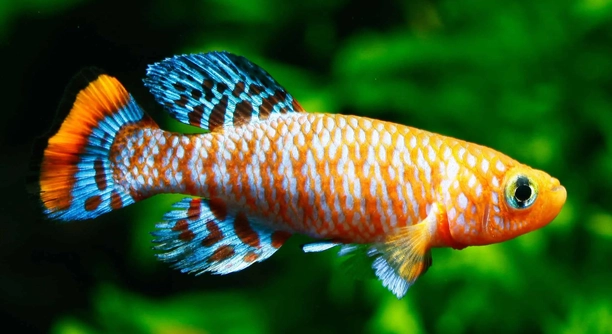
Killis are small, colorful fish often chosen as pets for their bright appearance and interesting behaviors. They are freshwater fish that come from various parts of the world, making them unique in many ways. Many people enjoy keeping killis because they add life and color to home aquariums.
Killis are unique pets due to their vivid colors, diverse species, short lifespans, ability to live in small tanks, adaptability to different water conditions, interesting breeding habits, and active behavior patterns. These traits distinguish them from many other aquarium fish.
Learning about these traits will help you appreciate killis more and care for them properly in your aquarium setup. Their distinct qualities make them an enjoyable and rewarding pet for many fish enthusiasts.
Vivid Colors and Patterns
Killis are known for their bright colors and unique patterns, which make them stand out in any aquarium. These fish often display reds, blues, greens, and yellows in vibrant shades that catch the eye. Each species has its own distinct pattern, ranging from spots to stripes, giving killis a variety of looks. Their colors can also change depending on their mood or breeding condition, which adds to their charm. For many who keep killis, watching these color changes is part of the appeal. The variety means there’s likely a killi that matches any personal taste or tank setup. Their beauty is not only for show but also plays a role in mating and social behavior. This natural display of color makes killis one of the most visually appealing small fish available for freshwater tanks.
The bright colors of killis can brighten up even the smallest aquarium and make it a lively space.
Keeping their environment clean and stable helps maintain these vivid colors, as stress or poor water quality can dull their appearance. Providing plants and hiding spots encourages natural behavior, which also keeps their colors sharp. It’s important to choose compatible tank mates to avoid fights that might harm their delicate fins or stress them out. Overall, the visual appeal of killis is a key reason they attract attention from many fish owners.
Short Lifespan and Reproduction
Killis typically live for only about one to two years, which is shorter than many other pet fish.
Despite their brief lives, killis have fascinating reproductive habits. They often lay eggs on small leaves or plants, and some species bury their eggs in the substrate. In the wild, many killis survive dry seasons by producing drought-resistant eggs that hatch when water returns. In captivity, breeding killis can be rewarding because of their unique courtship behaviors and the chance to watch fry develop. Proper care during breeding, including clean water and proper nutrition, is essential to raise healthy young fish. These reproductive traits show how killis have adapted to survive in changing environments, making them resilient pets even with their short lifespans. Understanding their breeding behavior helps keepers provide better care and enjoy watching new generations of these beautiful fish.
Adaptability to Different Water Conditions
Killis can live in a range of water types, from soft and acidic to hard and alkaline. This adaptability makes them easier to care for compared to many sensitive fish species.
This trait allows killis to thrive in different environments, both in the wild and in home aquariums. Because they come from various regions, they have evolved to handle changes in water quality, temperature, and pH levels. When setting up a tank, it’s important to research the specific needs of the killi species you have. However, many killis can tolerate slight fluctuations, which reduces the risk of sudden health problems. This flexibility also means killis can do well in community tanks with other peaceful fish.
Even though they adapt well, it’s still best to keep their water clean and stable. Regular water changes and monitoring water parameters help keep killis healthy. Providing natural plants and hiding spots improves their environment, mimicking their natural habitat. Adjusting water conditions gradually is safer, avoiding stress that could weaken their immune system. With the right care, killis remain active and vibrant for their short lifespan.
Small Tank Requirements
Killis don’t need large tanks and can live comfortably in small setups.
A tank as small as 5 gallons can support a pair or small group of killis, depending on species and size. This makes them a great choice for people with limited space or those new to fish keeping. Small tanks require regular maintenance, especially water changes, to prevent waste buildup. It’s important to avoid overcrowding to keep the fish healthy and stress-free. Providing plants and hiding places helps them feel secure and encourages natural behaviors.
Choosing a smaller tank also makes it easier to control water parameters, which supports their adaptability. Even in limited space, killis will swim actively and show their bright colors if their environment is clean and comfortable. While small tanks suit killis well, it’s essential to keep the water quality high and maintain a balanced community if mixing with other fish. Proper care in a small tank helps killis live their full, active lives.
Active Behavior Patterns
Killis are very active swimmers, often moving quickly around their tank.
Their lively nature keeps the aquarium interesting and dynamic. Watching them swim and interact is enjoyable and adds life to the tank environment.
Unique Breeding Habits
Many killis have special breeding behaviors, such as laying eggs on leaves or in small pits. Some species’ eggs can survive dry periods, hatching only when water returns. This adaptation helps them survive in changing environments and makes their breeding habits quite unique compared to other fish.
Compatibility with Other Fish
Killis generally get along well with peaceful fish but can be territorial during breeding.
FAQ
What do killis eat?
Killis mainly eat small live or frozen foods such as brine shrimp, daphnia, and bloodworms. Some species will also accept high-quality flakes or pellets, but live food is best for their health and color. Feeding them a varied diet helps keep them strong and vibrant.
How often should I feed my killis?
Feeding killis once or twice a day in small amounts is ideal. Overfeeding can pollute the tank and cause health issues. Remove any uneaten food after a few minutes to maintain water quality.
Can killis live with other fish?
Killis can live with peaceful tank mates that are similar in size and temperament. Avoid larger or aggressive fish that may stress or harm them. During breeding, male killis may become territorial, so it’s best to separate them if needed.
What size tank do killis need?
A minimum of 5 gallons can house a small group or a pair of killis. Larger species or groups may require bigger tanks. Adequate space ensures healthy swimming behavior and reduces stress.
How do I breed killis?
To breed killis, provide clean water with gentle filtration and plenty of plants or spawning mops for egg laying. Males often display brighter colors during courtship. After spawning, adults should be removed to prevent them from eating the eggs. Keep the water stable and feed fry with infusoria or finely crushed foods once hatched.
How long do killis live?
Most killis live between one and two years, though lifespan varies by species and care. Good water quality, proper diet, and a stress-free environment can help them live longer.
Are killis difficult to care for?
Killis are relatively easy to care for, especially those adaptable to different water conditions. They need regular water changes, good diet, and a peaceful tank environment. Their small size and hardy nature make them suitable for beginners willing to learn.
Do killis need special water parameters?
While many killis tolerate a range of water conditions, it’s important to research the specific needs of your species. Generally, keeping stable temperature between 72-79°F and clean water with moderate hardness and pH around 6.0-7.5 works well for most killis.
Can killis live in community tanks?
Yes, killis can live in community tanks with compatible species. Avoid fin-nippers or aggressive fish. Choose peaceful fish that occupy different tank levels to reduce competition. Keep an eye on killis behavior to catch any signs of stress early.
What signs show a healthy killi?
Healthy killis are active, brightly colored, and swim freely. They eat well and show no signs of illness like clamped fins, faded colors, or unusual spots. Regular observation helps catch health issues early and ensures proper care.
Killis are truly unique pets that bring color and life to any aquarium. Their bright colors and interesting patterns make them stand out, while their small size and adaptability make them easier to care for compared to many other fish. Although they have a shorter lifespan, their active behavior and fascinating breeding habits add to their charm. Taking care of killis requires some attention to water quality, diet, and tank setup, but their hardiness often makes them a rewarding choice for those interested in small freshwater fish. Overall, killis can brighten your space and provide enjoyable moments watching their lively movements.
One of the key benefits of keeping killis is how adaptable they are to different water conditions. This makes them suitable for a variety of aquarium environments. They do not demand large tanks, and even a small setup can support a healthy group if maintained properly. Despite their adaptability, it is important to maintain clean water and provide places to hide. This helps reduce stress and encourages natural behaviors, keeping the fish healthy and colorful. Their ability to live with other peaceful fish, along with their active and social nature, makes them a good addition to many community tanks.
While killis may not be the longest-living fish, their unique traits make them worth the care they require. Understanding their needs and habits allows owners to provide a suitable home where killis can thrive. From their vibrant colors to their interesting breeding methods, killis offer a special experience that is both beautiful and educational. Whether you are new to fish keeping or have experience, killis can be a delightful pet that adds interest and activity to your aquarium. With the right care, these small fish can brighten any room and offer lasting enjoyment.

Hello,
If you enjoy the content that we create, please consider saying a "Thank You!" by leaving a tip.
Every little bit helps us continue crafting quality advice that supports the health, happiness, and well-being of pets around the world, for pets of all shapes, sizes, and species.
We really appreciate the kindness and support that you show us!