
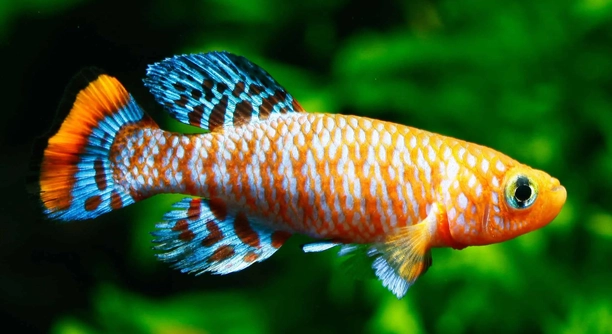
Annual killifish are small, colorful fish known for their unique life cycle and breeding habits. Many hobbyists find breeding them both exciting and challenging. Understanding their needs can make the process easier and more successful.
Successful breeding of annual killifish requires attention to their specific environmental needs, egg incubation conditions, and timing. Proper substrate choice, water parameters, and consistent care all contribute to improving spawning rates and fry survival.
These simple but effective tricks can help hobbyists improve their breeding results and enjoy watching these fascinating fish grow.
Choosing the Right Substrate for Egg Laying
Annual killifish lay their eggs in soft, moist substrates that mimic their natural environment. Using peat moss or coconut fiber works best because these materials retain moisture well and allow easy oxygen flow to the eggs. The substrate should be kept damp but not waterlogged to prevent mold or fungus growth. Before adding eggs, soak the substrate to a consistent moisture level, ensuring it feels like a wrung-out sponge. Avoid using sand or gravel, as these do not provide the necessary texture or moisture balance. Placing the substrate in a shallow container with slight drainage can help maintain the ideal conditions without flooding the eggs. Proper substrate preparation increases the chances of successful hatching, as eggs require a stable, moist environment during incubation.
A good substrate encourages natural spawning behavior and supports healthy egg development. It also helps reduce the risk of fungal infections that can damage eggs.
When you use the right substrate, it’s easier to manage the delicate incubation period. Keeping conditions stable and clean means your eggs are more likely to survive until hatching.
Maintaining Proper Water Parameters
Maintaining stable water parameters is crucial when breeding annual killifish. The water should be soft and slightly acidic, with a pH between 6.0 and 7.0, and temperature around 22-26°C (72-79°F). Regular water changes and gentle filtration help keep the environment clean but avoid strong currents, as killifish prefer calm water. Using aged or dechlorinated water reduces harmful chemicals and promotes healthier fish and eggs. Tracking water conditions with a test kit is important to prevent sudden changes that stress the fish. Consistent water quality encourages spawning and supports fry development during and after hatching.
Controlling the Incubation Environment
Incubation conditions directly affect egg survival and hatching rates. After collecting the eggs, they should be gently mixed into the moist substrate, then kept in a warm, dark place with stable temperatures around 22-26°C. Avoid exposing eggs to direct sunlight or extreme temperature fluctuations, as this can cause damage. Regularly check the substrate moisture and remove any mold or fungus by replacing affected areas. Eggs typically take 3 to 4 weeks to hatch, but timing depends on the temperature and species. Patience during this period is essential. Once hatched, transfer the fry to shallow tanks with soft water and low light to reduce stress. By carefully managing the incubation environment, you support healthier and stronger fry, increasing the success of your breeding efforts.
Timing the Spawning Period
Annual killifish spawn best when they feel comfortable and safe. Providing a calm environment encourages natural breeding behavior. Spawning usually occurs in the early morning or evening.
To encourage spawning, maintain consistent lighting and temperature. Sudden changes can stress the fish and delay breeding. Introducing a slight drop in temperature or a partial water change can trigger spawning behavior. Observing the fish closely during these times helps identify when eggs are laid. Removing adult fish from the spawning tank after egg-laying prevents them from eating the eggs.
Creating a predictable routine helps the fish feel secure. This increases the chances they will spawn regularly, giving you more opportunities to collect healthy eggs.
Feeding Adults for Better Breeding
Feeding adult killifish a varied diet rich in live and frozen foods improves their health and spawning success. Live foods like brine shrimp and daphnia provide essential nutrients that stimulate egg production. Including high-quality flakes or pellets ensures a balanced diet. Feeding smaller portions multiple times daily keeps adults active and encourages spawning readiness. Avoid overfeeding, which can harm water quality and fish health. A well-fed pair will be more vibrant and motivated to breed.
Healthy adults produce stronger eggs and more viable offspring. Their condition directly impacts the quality and quantity of eggs laid, making diet an important factor in successful breeding. Regular feeding with nutrient-rich foods supports overall vitality and improves breeding outcomes.
Separating Eggs from Adults
Separating eggs from adult killifish prevents them from being eaten. After spawning, carefully remove the adults from the tank to protect the eggs. Use a gentle method to avoid disturbing the substrate where the eggs are laid.
Keeping eggs safe during incubation is crucial. Adults may eat eggs if left together, reducing your chances of successful hatching. Removing adults promptly helps ensure more eggs survive to become fry.
Using Dry Incubation Method
The dry incubation method involves placing eggs in a moist, but not submerged, substrate outside of water. This mimics natural conditions where eggs develop in damp soil during dry seasons. Keep the substrate moist and monitor temperature to avoid drying out or overheating the eggs.
Monitoring Fry After Hatching
After hatching, fry are fragile and need calm, clean water with soft conditions. Frequent gentle water changes help maintain quality. Provide tiny live foods like infusoria or newly hatched brine shrimp to support their early growth.
Keeping a close eye on fry health increases survival rates.
How long does it take for annual killifish eggs to hatch?
Annual killifish eggs typically take between 2 to 4 weeks to hatch, depending on the species and environmental conditions. Temperature plays a big role: warmer temperatures speed up development, while cooler ones slow it down. Maintaining stable, optimal temperature around 22-26°C is key for predictable hatching times. It’s important to be patient, as rushing or disturbing the eggs can reduce hatch rates.
What is the best way to collect eggs from the substrate?
Collect eggs by gently sifting through the moist substrate with clean hands or a soft tool. Avoid squeezing or damaging the eggs during this process. Use tweezers carefully if needed, but it’s often best to let eggs remain in the substrate for incubation. If you transfer them, keep the substrate moist and stable to prevent eggs from drying out or getting damaged.
Can I keep the eggs submerged in water during incubation?
Keeping eggs submerged is generally not recommended for annual killifish. Their eggs naturally develop in damp substrate rather than fully underwater. Submerging eggs can lead to mold, fungus, or oxygen deprivation, which kills the embryos. It’s best to incubate eggs in moist, well-aerated substrate with stable humidity levels.
How often should I check on the eggs during incubation?
Check the eggs every few days to monitor moisture levels and remove any moldy or rotten eggs. Avoid disturbing the substrate too much to prevent damage. Maintaining a moist but not soaking environment is essential. Frequent gentle inspections help catch problems early and improve overall hatch success.
What do I feed baby killifish once they hatch?
Newly hatched fry need very small live foods like infusoria, microworms, or newly hatched brine shrimp. These tiny foods are easier for fry to eat and provide essential nutrients for growth. Start feeding within a day or two after hatching and offer small amounts multiple times daily. As fry grow, gradually introduce larger foods like baby brine shrimp.
Can I breed multiple pairs in the same tank?
Breeding multiple pairs together is possible but requires careful management. More adults increase stress and competition, which can reduce spawning success. Eggs may also get eaten quickly if adults are not removed after spawning. Using separate spawning containers or tanks is often safer for maximizing egg survival.
How do I know when my killifish are ready to breed?
Killifish usually reach sexual maturity between 3 to 6 months, depending on species and conditions. Signs include brighter colors, more active courtship behaviors, and visible egg development in females. Healthy, well-fed adults with stable environmental conditions are more likely to breed successfully.
What should I do if my eggs start to mold?
Mold can quickly spread and kill eggs. Remove affected substrate portions immediately and replace with fresh moist substrate. Increasing airflow or slightly reducing moisture can help prevent mold. Using antifungal treatments is rarely necessary if good hygiene and proper substrate care are maintained.
Is it necessary to simulate dry season conditions for egg incubation?
For many annual killifish, simulating dry season conditions by drying eggs partially or keeping them in moist substrate outside water encourages healthy development. This mimics nature where eggs survive dry periods in mud. However, exact methods depend on species, so researching your specific fish’s needs is important.
How do I prevent adults from eating their eggs?
Remove adults from the spawning tank as soon as eggs are laid. Leaving adults together often leads to egg predation. Alternatively, provide dense spawning mops or separate spawning containers to protect eggs. Prompt separation helps improve the number of eggs that survive incubation.
Breeding annual killifish can be both rewarding and challenging. These fish have a unique life cycle that requires special care, especially when it comes to their eggs and fry. Understanding their needs and following the right steps makes a big difference in success. Paying attention to details like substrate choice, water conditions, and feeding routines helps create the best environment for breeding. It’s important to be patient and consistent since these fish require time and gentle care throughout the process.
Taking care of the eggs is one of the most important parts. Annual killifish eggs need to be kept moist but not soaked, and they should never stay underwater during incubation. Using materials like peat moss or coconut fiber works well to keep the eggs healthy. Removing the adults after spawning also protects the eggs from being eaten. Watching over the eggs regularly, removing any mold, and keeping the temperature steady encourages strong hatch rates. Once the fry hatch, they need small live foods and calm water to grow properly. These steps help ensure more fry survive and develop into healthy fish.
Overall, breeding annual killifish requires attention to many small but important details. From preparing the tank to feeding the adults and caring for the eggs, every step matters. Even if challenges come up, understanding how these fish behave and what they need can help solve problems. Keeping things simple, consistent, and careful usually leads to better results. With time and practice, breeding annual killifish can become an enjoyable and successful part of fish keeping.

Hello,
If you enjoy the content that we create, please consider saying a "Thank You!" by leaving a tip.
Every little bit helps us continue crafting quality advice that supports the health, happiness, and well-being of pets around the world, for pets of all shapes, sizes, and species.
We really appreciate the kindness and support that you show us!