
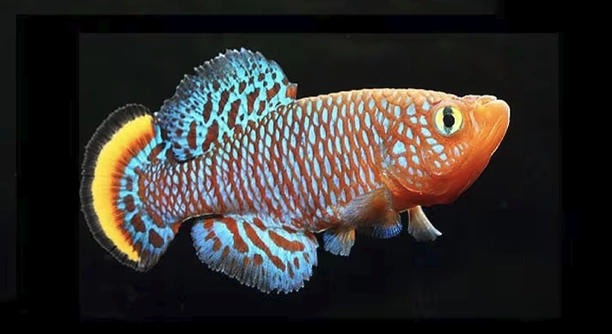
Killis are small, colorful fish often kept in home aquariums. They are active swimmers and sometimes chase each other. This behavior can seem worrying to new or even experienced fish keepers.
When killis constantly chase each other, it usually indicates territorial or mating behavior. While some chasing is normal, excessive pursuit can cause stress and injury. Proper tank size, hiding spots, and monitoring can help manage this behavior effectively.
Understanding why killis chase each other will help maintain a peaceful aquarium and promote their well-being over time.
Why Killis Chase Each Other
Killis are naturally territorial fish. When they chase one another, it often means they are trying to protect their space. Male killis are usually more aggressive, especially during breeding season. They chase females to court them or chase other males to defend their territory. This behavior helps them establish dominance and create a safe area for laying eggs. However, if the tank is too small or lacks hiding spots, chasing can become constant and stressful. It’s important to provide enough room and plants or decorations so each fish can find a place to retreat. Without these, the chasing may lead to injuries or weakened fish, which can harm their health.
Aggression and chasing are part of killis’ nature but should be balanced with a proper environment.
Creating a peaceful tank requires understanding their natural behavior and adjusting their space to fit their needs. This way, chasing stays normal and doesn’t harm them.
Managing Aggression in Killis
Limiting aggression starts with tank setup.
Providing enough space and places to hide helps reduce chasing. In smaller tanks, killis feel cramped and become more aggressive. A tank size of at least 10 gallons for a small group is recommended. Add plants, rocks, or decorations so fish can escape when chased. Another way to reduce aggression is to keep only one male with multiple females. Multiple males often fight over territory and mates. Monitor your killis regularly to spot signs of injury or stress. If chasing becomes harmful, separating aggressive fish may be necessary. Feeding killis regularly also reduces competition. Overall, careful observation and proper tank design are key to managing their chasing behavior and keeping the group healthy and calm.
Signs That Chasing Is Becoming a Problem
Not all chasing is harmless. When killis chase so much that fish start hiding constantly or show wounds, it’s a serious issue. Look for torn fins, pale colors, or lethargy as signs of stress.
Stress weakens their immune system, making them more prone to disease. If chasing is nonstop, it can cause exhaustion and reduce their appetite. You may notice one or two fish staying away from the group, trying to avoid attacks. This behavior can quickly damage the social balance of the tank. It’s important to act before injuries happen to keep your killis healthy.
Early detection helps prevent long-term harm and keeps your fish comfortable in their environment.
Providing the Right Environment
Tank size matters a lot for killis. A small tank limits movement and increases tension. At least 10 gallons is good for a small group, but larger tanks are better for more fish. Plants and hiding spots are essential. They break the line of sight and offer places for fish to escape. Use live plants or decorations like rocks and caves to create a natural feel. Avoid overcrowding to reduce stress and chasing. Clean water also helps calm fish and keeps them healthy. Maintaining stable water conditions is just as important as tank size and layout in controlling aggressive behavior. Creating a balanced environment encourages peaceful interactions and lets killis thrive.
Separating Aggressive Killis
Sometimes, separating aggressive killis is necessary to protect others. Use a divider or a separate tank if chasing causes injuries.
Isolation helps reduce stress and allows injured fish to recover. It also prevents fights from escalating.
Feeding and Its Role in Behavior
Regular feeding reduces aggression by lowering competition for food. Feed small amounts several times a day instead of one large meal. This keeps killis satisfied and less likely to chase out of hunger. Using varied diets with flakes, frozen, or live food supports their health. Avoid overfeeding, as it can harm water quality and stress fish. Proper feeding habits contribute to a calmer tank environment and healthier fish overall.
Observing Killis Daily
Daily observation helps catch problems early. Watch for changes in behavior or health to respond quickly.
FAQ
Why do killis chase each other so much?
Killis chase mainly because of territory and mating instincts. Male killis often chase females to court them or other males to defend their space. This is natural behavior, but when the tank is too small or overcrowded, chasing can become excessive and stressful for the fish.
Is constant chasing harmful to killis?
Yes, if chasing is nonstop, it can cause stress, injuries, and weaken their immune system. Fish may get torn fins, lose color, or become lethargic. Stress from chasing can also reduce their appetite, making them more vulnerable to diseases.
How can I tell if chasing is normal or a problem?
Normal chasing is brief and part of their social interaction. If chasing leads to hiding, injuries, or a fish staying away from the group, it’s a problem. Watch for physical signs like torn fins or pale colors and behavioral changes such as constant hiding or lack of movement.
What tank size is best to reduce chasing?
A tank of at least 10 gallons for a small group is recommended. Larger tanks are better if you want more fish. More space reduces territorial fights and gives fish room to escape when chased.
How do hiding spots help with killis chasing?
Plants, rocks, and decorations break the line of sight, giving fish places to hide and rest. This lowers stress and aggression because fish can avoid constant confrontation. Hiding spots are essential for creating a peaceful tank environment.
Should I keep multiple males together?
It’s best to keep one male with several females. Multiple males often fight over territory and mates, leading to excessive chasing and injuries. Separating males or having only one male can reduce aggressive behavior.
How often should I feed killis?
Feed small amounts several times a day rather than one big meal. Frequent feeding lowers competition and chasing for food. A varied diet of flakes, frozen, and live food keeps them healthy and satisfied.
What should I do if chasing causes injuries?
Separate injured fish immediately to let them heal. Use a tank divider or a separate tank if possible. Clean the water regularly and consider adding aquarium salt to help recovery. Monitor all fish closely for worsening injuries.
Can water quality affect killis behavior?
Yes, poor water quality causes stress and can increase aggression. Keep the tank clean with regular water changes. Test water parameters often to maintain stable conditions. Good water quality supports calm behavior and overall health.
How can I monitor killis daily?
Spend a few minutes each day watching your fish. Look for changes in behavior, like increased chasing, hiding, or signs of illness. Early detection helps fix problems before they become serious. Keeping a routine helps keep your killis happy.
Is it normal for killis to chase only during breeding season?
Yes, chasing is often more intense during breeding. Males become territorial and pursue females more actively. After breeding, chasing usually decreases, but it depends on tank conditions and individual fish.
Can adding more fish reduce chasing?
Adding more fish can spread out aggression but only if the tank is large enough. Overcrowding causes more stress and fighting. Always balance tank size with fish number to keep peace.
Are there specific killis species that are more aggressive?
Yes, some killis species show more territorial behavior than others. Research your specific species to understand their temperament. This helps prepare for their needs and behavior in your tank.
What role does lighting play in killis chasing?
Bright or harsh lighting can increase stress and aggression. Use moderate lighting and provide shaded areas with plants or decorations. Proper lighting helps reduce chasing by creating a calmer environment.
Can rearranging the tank help with aggression?
Yes, changing the layout disrupts established territories and can reduce aggression temporarily. Rearranging plants and decorations gives fish a fresh environment and new hiding places.
How long does it take for killis to settle down after moving them?
Killis usually take a few days to a week to adjust to a new tank or changes. During this time, chasing may increase until they establish new territories. Patience and observation are important.
Is it okay to use medications for injured killis after chasing?
Yes, if injuries are severe, using proper fish medications can help prevent infections. Always follow instructions and quarantine sick fish if possible to avoid spreading disease.
What is the best way to introduce new killis to an existing tank?
Add new fish slowly and provide plenty of hiding spots. Monitor interactions closely to prevent bullying. Introducing new killis during feeding times can reduce aggression. Sometimes quarantining new fish first helps prevent stress and illness.
Can killis live peacefully without chasing at all?
Chasing is a natural behavior, so it’s unlikely to stop completely. The goal is to manage chasing so it doesn’t harm the fish. Providing space, hiding places, and proper group setups keeps chasing controlled and less stressful.
How important is social grouping for killis?
Killis are social fish but need the right balance. Too few can make fish lonely or stressed; too many can cause fights. Groups with one male and several females usually work best to reduce aggression and promote natural behavior.
What should I do if chasing continues despite all efforts?
If chasing remains severe, consider separating aggressive fish permanently or rehoming some. Sometimes, individual temperaments don’t fit well in a community tank. Prioritize the health and safety of all your killis for a peaceful aquarium.
When killis chase each other constantly, it is usually a sign of natural behavior like territorial disputes or mating. This chasing can become a problem if it causes stress or injury to the fish. It is important to pay attention to how much chasing happens and to look for signs of harm. Providing a proper tank environment with enough space and hiding spots can help reduce aggression. Keeping the right balance of males and females also plays a big role in managing chasing behavior. With careful observation and simple adjustments, you can create a peaceful home for your killis.
Taking good care of your tank setup is key to controlling chasing. A tank that is too small or overcrowded will increase tension among fish. Providing plenty of plants, rocks, or decorations gives killis places to hide and rest. This helps lower stress and gives fish a way to escape when being chased. Regular water changes and maintaining clean water keep your killis healthy and calm. Feeding small amounts several times a day reduces competition for food and prevents chasing related to hunger. All of these steps work together to create a balanced environment where killis can thrive without constant fighting.
It’s normal for killis to chase sometimes, but the goal is to keep it from becoming harmful. Watching your fish daily helps catch problems early before injuries or stress build up. If chasing gets too intense, separating aggressive fish or changing the tank layout can help. Always remember that killis have natural instincts, so chasing will never fully disappear. Managing the behavior with proper care and attention ensures your fish live healthier, happier lives. Paying attention to their needs shows in how peaceful your aquarium becomes over time.

Hello,
If you enjoy the content that we create, please consider saying a "Thank You!" by leaving a tip.
Every little bit helps us continue crafting quality advice that supports the health, happiness, and well-being of pets around the world, for pets of all shapes, sizes, and species.
We really appreciate the kindness and support that you show us!