
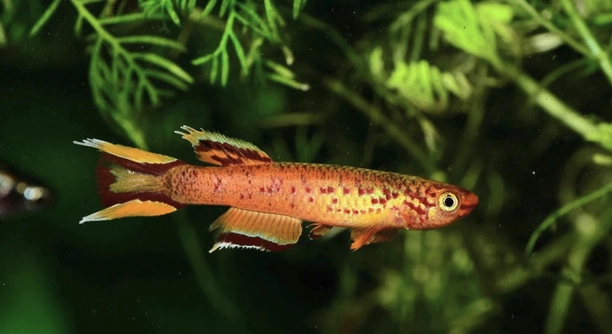
Do your killifish seem active and healthy, yet you’re unsure if you’re feeding them the right amount each day?
Adult killifish should be fed once or twice daily in small portions they can consume within two minutes. Overfeeding can lead to poor water quality, while underfeeding may affect their energy levels, coloration, and overall health.
Feeding schedules, portion control, and food type all play a role in maintaining a healthy routine for your adult killifish.
How Much Food Is Enough?
Feeding adult killifish properly is key to keeping them healthy. They need just enough food to meet their energy needs without leftover waste in the tank. A general rule is to feed them what they can eat in two minutes. If food remains after that time, it’s likely too much. Floating or sinking debris can pollute the water quickly, so keeping meals small and consistent helps avoid common tank issues. Killifish also do well on a mix of live, frozen, and high-quality dry food. Varying their diet ensures they get essential nutrients. Observing their behavior during and after feeding can guide you—active swimming and a quick response to food are good signs. Lethargy or ignored food may point to overfeeding or stress. Feeding them once or twice daily works best for most adult killis, especially when kept in stable tank conditions with proper lighting and filtration.
Try feeding small amounts twice daily and observe their behavior. Adjust as needed based on how quickly they finish.
Feeding in the morning and evening works well. Offer a mix of foods like daphnia, brine shrimp, or fine pellets. Stick to small portions and avoid feeding just before lights go out, as uneaten food can decay overnight.
What Happens If You Overfeed?
Overfeeding leads to leftover food in the tank, which breaks down and affects water quality. Ammonia and nitrite levels rise quickly, making the environment stressful or even dangerous for your fish. This can weaken their immune systems, reduce activity levels, and dull their colors. You might also notice cloudy water and increased algae. Uneaten food can clog filters and lower oxygen levels in the tank. These changes stress killifish and can lead to illness if not corrected quickly.
Keeping a clean tank starts with proper feeding. By limiting portions and watching how your killifish respond, you can avoid common issues. Use a feeding schedule and remove excess food after a couple of minutes. Testing the water weekly helps monitor buildup that might not be visible. Regular partial water changes, combined with careful feeding, keep your tank healthy. Killifish do best in a stable environment, and your feeding habits play a big part in maintaining that balance.
When to Adjust Feeding Frequency
Feeding frequency may need to change based on temperature, activity, or health. Warmer water boosts metabolism, so fish may eat more. In cooler tanks or low-activity setups, daily feeding may be enough. Sick or recovering fish may need smaller, more frequent meals.
During breeding, killifish are more active and benefit from two small meals a day to support their energy needs. After breeding, reduce feeding slightly to avoid excess waste in the tank. If you notice leftovers after each meal, cut back. On the other hand, if your fish seem restless or lose color, they may need a little more food. Always feed them at the same time daily to build a routine. If you’re leaving for a few days, skip feeding rather than risk poor water quality. Healthy adult killifish can handle short fasts without issues, especially in a well-maintained tank.
Seasonal changes also affect feeding. In cooler months, some killifish may become less active and need fewer meals. Watch for behavioral shifts. If they seem slower or leave food behind, adjust accordingly. You don’t need to follow a strict schedule—observing their appetite and energy levels is more reliable. Flexible routines often work better than rigid feeding plans for adult killifish.
Choosing the Right Food Types
A good mix of foods keeps your killifish healthy and active. Live foods like daphnia and brine shrimp are ideal because they mimic natural prey and stimulate feeding. Frozen options work well too, especially when live food isn’t available.
Dry foods can be used, but choose high-quality micro-pellets or flakes that sink slowly. These are easier for killifish to spot and eat. Avoid large pellets or foods meant for bigger fish—they often go uneaten. Rotate between live, frozen, and dry options to provide a balanced diet. Feeding only one type can lead to nutritional gaps. You can also occasionally include mosquito larvae or grindal worms for extra protein. Always thaw frozen foods before feeding to avoid digestive issues. If using dry foods, soak them briefly in tank water to soften. Clean up any leftovers quickly to prevent buildup and keep your tank water stable.
Signs You’re Feeding Correctly
Killifish that eat quickly, stay active, and show bright colors are usually getting the right amount of food. They should eagerly swim to the surface or feeding area during each meal without leaving leftovers behind. Their bodies should look full but not bloated.
Clear water and stable water parameters are also good signs. If you’re not seeing cloudy water or spikes in ammonia, you’re likely feeding just enough. Healthy fins, alert behavior, and regular swimming patterns are all indicators your feeding routine is working well for them.
How to Handle Missed Feedings
Missing a feeding now and then isn’t harmful for adult killifish. They can go a day or two without food, especially in tanks with stable temperatures and healthy water conditions. In fact, short fasts can help regulate digestion and reduce the risk of overfeeding. Just resume your regular routine afterward.
Common Feeding Mistakes
Feeding too much or too often leads to waste buildup and poor water quality.
FAQ
How do I know if I’m feeding too much?
If leftover food remains two minutes after feeding, you’re likely giving too much. You may also notice cloudy water, clogged filters, or algae growth. Over time, your fish might become sluggish or show signs of stress. A healthy feeding portion should be completely eaten within two minutes without food drifting to the bottom or collecting around the tank. Watch your killifish closely—if they’re ignoring food or picking at it slowly, that’s a sign to cut back. Reducing the amount and watching tank conditions will help you find the right balance.
Can killifish eat the same food every day?
They can survive on one type of food, but it’s not ideal. Repeating the same food daily, especially dry food, limits their nutrition. A varied diet gives them better health, color, and activity. Rotate between high-quality flakes, frozen options, and live foods like daphnia or brine shrimp. Even switching between different brands of dry food adds variety. When feeding frozen or live food, alternate protein sources. This helps avoid nutrient imbalances and keeps feeding time more engaging for them. Killifish naturally feed on small insects and larvae in the wild, so variety supports natural behavior too.
Should I feed differently during breeding?
Yes, feeding during breeding should focus on energy and conditioning. Offer more protein-rich foods, like live or frozen daphnia, baby brine shrimp, and mosquito larvae. Split feedings into two smaller meals per day to avoid waste. Keep portions small and clean up leftovers right away. After breeding, gradually reduce portions to maintain a healthy balance. Feeding the same way year-round may not meet their breeding needs. Extra nutrients help females produce eggs and keep males active. Watch for changes in energy or behavior and adjust if needed. A strong feeding routine supports successful spawning and recovery.
Can killifish fast safely?
Adult killifish can fast for one to three days without harm. Short breaks give their digestive systems time to rest and can actually improve their overall health. If you’re away for a weekend, it’s better to skip feeding than risk decaying food in the tank. Make sure your tank conditions are stable, and avoid fasting during breeding or illness. For healthy adults, occasional fasting helps prevent bloating and overfeeding. Always monitor their energy and color after a missed meal. If everything looks normal, you can return to your regular schedule without making up for the skipped feeding.
Do killifish need special food at different life stages?
Yes, their dietary needs change with age. Fry need finely crushed flakes or infusoria multiple times a day. Juveniles do well with small live food and more frequent feedings to support growth. Adult killifish need less frequent meals and can handle slightly larger portions. Adjust food type and frequency as they grow. Feeding adults like fry will quickly foul the water, while giving fry adult food will result in wasted food and poor development. Understanding the growth stage of your fish helps you offer the right nutrition at the right time, keeping them healthy long-term.
Can I use automatic feeders for killifish?
You can, but with caution. Not all automatic feeders dispense small portions accurately, which may lead to overfeeding. If you travel often, test the feeder in advance to see how much it releases. Use high-quality dry foods that won’t clump or spoil. Avoid automatic feeding for live or frozen foods, as these can quickly rot in the tank. Monitor your water quality closely during feeder use. Some aquarists prefer skipping feedings during short trips instead of risking water issues. Automatic feeders are useful, but they should be carefully adjusted and observed before regular use.
Is there a best time of day to feed killifish?
Morning and early evening are both good choices. Killifish are more alert when the tank lights are on and respond best to feeding during these periods. Feeding late at night or right before lights go out isn’t ideal, as uneaten food may sit in the tank and break down overnight. Choose times when your fish are active, and stick to a routine. Consistency helps them anticipate feeding and improves their response. If you feed twice a day, try spacing meals 10–12 hours apart for balance. Regular timing also makes it easier to monitor appetite and health.
Final Thoughts
Feeding adult killifish doesn’t need to be complicated. Once you understand their basic needs, setting up a consistent routine becomes easier. These fish thrive on small, well-timed meals that match their natural feeding habits. Watching how they behave after each feeding is one of the best ways to know if you’re on the right track. If they eat eagerly, remain active, and show healthy colors, you’re likely giving them just what they need. When food is left behind or the water looks cloudy, it’s a good time to step back and adjust your approach. Small changes in portion size or feeding frequency can make a big difference.
It’s also helpful to remember that quality matters just as much as quantity. Offering a variety of food types gives killifish the nutrients they need to stay strong and healthy. Try rotating between dry food, frozen options, and live food when possible. This not only improves their diet but also encourages natural behaviors. You don’t need to feed large amounts—just the right amount at the right time. Feeding once or twice a day, depending on the season and their energy level, is usually enough for adult killifish. They don’t need constant meals, and in some cases, short fasting periods can even support better digestion and cleaner tanks.
Caring for killifish means paying attention to the little details. Feeding is one of the most important parts of daily care, and it affects everything from their health to the quality of the water they live in. Regular observation, small adjustments, and a simple feeding routine will help your killifish stay active and healthy. Whether you’re preparing them for breeding or simply maintaining a peaceful community tank, feeding them correctly plays a key role. Once you’ve found what works best for your setup, feeding becomes a natural part of your routine. With consistency and care, your adult killifish can thrive for years in a well-balanced aquarium environment.

Hello,
If you enjoy the content that we create, please consider saying a "Thank You!" by leaving a tip.
Every little bit helps us continue crafting quality advice that supports the health, happiness, and well-being of pets around the world, for pets of all shapes, sizes, and species.
We really appreciate the kindness and support that you show us!