
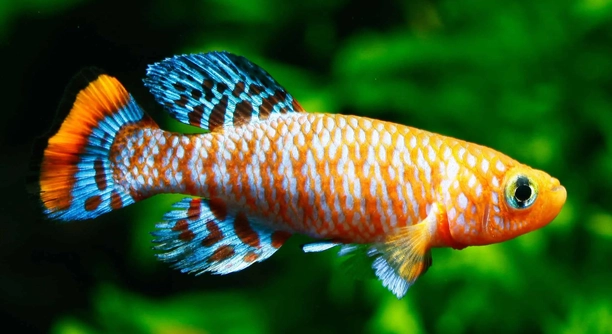
Are your killifish spending most of their time swimming directly into the filter flow, leaving you slightly puzzled by their behavior?
Killifish often swim in the filter flow due to the oxygen-rich water and the simulation of natural currents, which helps regulate their activity. This behavior is usually normal, especially in well-oxygenated tanks with steady water movement.
Understanding their instincts and tank setup will help you determine whether their behavior is natural or a sign of discomfort.
Why Killifish Enjoy Swimming in Strong Currents
Killifish are naturally active and often found in fast-moving waters in the wild. When placed in a tank, they gravitate toward filter flow because it mimics these familiar environments. The moving water stimulates their instincts, encouraging exercise and engagement. For some species, swimming against the current helps them stay alert and strengthens their muscles. The flow also brings more oxygen to that part of the tank, making it more comfortable for fish that prefer well-oxygenated areas. It’s not unusual for killifish to hover, dart, or even rest near the filter outlet. As long as they are not gasping, hiding excessively, or displaying torn fins, this behavior is typically a positive sign of stimulation. Observing them in the current can even give you insights into their energy levels and comfort in their setup. It’s a natural behavior, especially when the tank provides the right balance of current and still areas.
Most killifish will adapt to filter flow without showing signs of stress. It offers a sense of activity they’re drawn to.
To support this behavior, use a sponge filter or an adjustable flow outlet. These options provide a steady current without creating overwhelming turbulence. Keep decorations and plants in calmer sections of the tank to offer balance.
Signs the Current Might Be Too Strong
If your killifish are struggling to stay upright, constantly swimming just to avoid being pushed, or hiding often, the current may be too strong.
A powerful filter can stress killifish if not managed carefully. While they enjoy movement, there’s a difference between swimming by choice and being forced to swim constantly. Watch their body language: clamped fins, unusual resting angles, or erratic swimming suggest discomfort. Some killifish may even stop eating or avoid open areas. When setting up your filter, look at the water flow across the tank. It should move steadily but leave some calm spaces. Using pre-filters, diffusers, or positioning your filter against the glass can reduce force. Fish should have the freedom to swim through the current and also escape from it. Plants, driftwood, and rocks can help break up flow and create refuge zones. It’s all about balance—giving them access to stimulating water movement without exhausting or overwhelming them. Regular observation helps you fine-tune the environment.
Adjusting Your Tank Setup for Killifish Comfort
A steady but gentle current is ideal. If the flow is too strong, angle your filter output toward a wall or use a sponge filter. Add tall plants or rocks to create breaks in the current where your killifish can rest without stress.
Choose equipment that allows control over the water flow. Many hang-on-back and canister filters come with adjustable settings—use the lowest effective flow rate. If your filter doesn’t have this option, try using a pre-filter sponge or placing filter media directly over the outflow. This softens the impact while keeping the tank clean. Floating plants also help disrupt surface movement. These small changes make a noticeable difference. Monitor your fish for signs of relief like relaxed swimming, increased exploration, and more frequent feeding. The goal is to maintain a clean tank with moving water that doesn’t force your killifish to overexert themselves just to stay in place.
Creating calm zones improves comfort and reduces stress. Use a combination of décor and smart filter placement to break up water flow naturally. This helps your killifish feel secure and stay active without becoming overwhelmed. Observation is key—adjust the setup based on your fish’s behavior rather than relying solely on equipment settings.
When Swimming in the Flow Becomes a Problem
Persistent swimming in one spot with little variation can point to an issue. If your killifish are ignoring the rest of the tank or seem restless, something may be off with the environment or water conditions.
Check your tank’s oxygen levels, temperature, and overall water quality. Killifish may use the filter flow as a survival mechanism if the water is poorly oxygenated elsewhere. Keep ammonia and nitrite levels at zero, and test for adequate dissolved oxygen. Cooler water holds more oxygen, so avoid overheating the tank. Stress from poor water quality can also lead fish to overuse the flow for comfort. Make sure tank mates aren’t aggressive or dominating certain spaces. Lack of hiding spots or proper lighting may also push your killifish into limited areas. When you see repetitive behavior or a lack of variety in their swimming, it’s a sign to reevaluate the setup. Clean water and thoughtful layout matter most.
Understanding Natural Killifish Behavior
Killifish often swim near moving water to stay active and explore. It’s a behavior linked to their wild instincts and helps them feel stimulated. This pattern is common in healthy fish that are adjusting well to their tank environment.
Some species naturally enjoy mid-to-upper water levels where current is stronger. They may also use the flow to play, feed, or interact with other fish. It’s usually nothing to worry about unless other signs of stress are present.
How to Tell if It’s a Sign of Stress
Watch for sudden changes in behavior like erratic swimming, hiding, or loss of appetite. These signals suggest your fish might be overwhelmed. Consistent use of the current isn’t always bad, but when paired with these signs, it’s worth adjusting the setup. Test water parameters, lower the filter flow slightly, and monitor your fish for changes. A small adjustment can restore calm and help them feel safer. Observing patterns over time will give you the clearest answers.
Final Notes on Flow and Killifish
Killifish enjoy a little movement, but too much can wear them out. Keep their tank setup gentle, balanced, and supportive of both swimming and resting.
FAQ
Why do my killifish swim constantly in the filter flow?
Killifish naturally seek areas with higher oxygen and water movement, which the filter flow provides. This keeps them active and alert, mimicking their natural habitats where currents are common. Swimming in the flow is often a normal behavior unless it appears forced or exhausting.
Is swimming in the filter flow harmful to killifish?
Generally, swimming in a gentle current is beneficial. It promotes exercise and better health. However, if the flow is too strong, it can cause stress, fin damage, or fatigue. It’s important to balance water movement to suit your killifish species and tank size.
How can I reduce the strength of the filter flow?
Use a sponge pre-filter or attach a spray bar to diffuse the flow. Positioning the filter outlet against the tank glass or behind decorations can also help slow water movement. Adjustable filters allow you to control the flow rate directly.
What signs show my killifish are stressed by the filter flow?
Signs include clamped fins, constant hiding, erratic swimming, loss of appetite, or torn fins. If your fish seem tired or are always struggling against the current, it means the flow might be too strong or their environment isn’t balanced.
Can tank decorations help manage flow for killifish?
Yes, plants, rocks, and driftwood break up water movement and create calm zones. These areas allow killifish to rest away from the strong flow. Floating plants can also reduce surface agitation and make the tank environment more comfortable.
Does water temperature affect killifish swimming behavior?
Temperature impacts oxygen levels and activity. Warmer water holds less oxygen, so killifish may swim more in the filter flow to access better-oxygenated water. Maintaining a stable, suitable temperature helps reduce excessive swimming in the current.
Is it normal for killifish to swim against the current?
Yes, many killifish species are built to swim against currents. This behavior strengthens muscles and keeps them mentally stimulated. It’s normal as long as the fish do not appear exhausted or stressed from constant effort.
What should I do if my killifish only stay in the filter flow and ignore the rest of the tank?
Check water quality and oxygen levels first. Poor water conditions can push fish toward better-oxygenated areas like the filter flow. Ensure your tank has enough hiding spots and low-flow zones for resting. Adjust the filter to reduce the current if needed.
Can killifish get tired from swimming in the filter flow?
Yes, if the current is too strong or the tank is small, they may become exhausted. Tired fish often show slower movements, restlessness, or decreased feeding. Balancing water flow and providing quiet areas prevents overexertion.
Are there specific filter types better suited for killifish tanks?
Sponge filters and adjustable hang-on-back filters are ideal. They provide gentle, well-oxygenated flow without excessive turbulence. Avoid strong power filters or pumps unless you can control and diffuse the water output carefully.
How often should I observe my killifish to monitor their response to the flow?
Daily observation is best. Watch for changes in swimming patterns, feeding behavior, and physical condition. Early detection of stress signs helps you make timely adjustments to the tank setup and maintain fish health.
Will adding more plants reduce killifish swimming in the filter flow?
Plants create shelter and disrupt currents, making the tank less intimidating. This can encourage killifish to explore beyond the filter flow. However, too many plants may reduce overall water movement, so find a good balance.
Can killifish adapt to stronger currents over time?
They can adjust to moderate currents as their muscles strengthen, but extreme or sudden increases in flow can cause stress. Gradually introduce changes and monitor their behavior closely. Adaptation varies between species and individuals.
Is it normal for killifish fry to swim in the filter flow?
Fry may use the filter flow less often as they are weaker swimmers. Strong currents can be harmful to them. For breeding tanks, use gentle filtration and create calm zones to protect young killifish.
How do I know if my killifish’s tank flow is balanced?
A balanced flow lets fish swim actively without forcing constant effort. Fish should move freely between flowing and calm areas, showing relaxed behavior and normal feeding. If your killifish explore the entire tank comfortably, the flow is well adjusted.
What is the best way to introduce flow changes to killifish tanks?
Make small, gradual adjustments over days or weeks. Sudden changes can stress fish and cause health issues. Monitor their reactions and be ready to reverse changes if signs of discomfort appear.
Can poor diet affect how killifish respond to water flow?
Yes, weak or malnourished fish have less energy to swim against currents. Provide a balanced diet rich in protein and nutrients to keep your killifish healthy and active, better able to handle water movement.
Is it necessary to have a filter flow in a killifish tank?
Yes, moving water ensures proper oxygen exchange and waste removal. Without flow, oxygen levels drop, and toxins build up. However, the flow must be gentle and suited to the species’ needs.
How does tank size influence killifish swimming in the filter flow?
Smaller tanks can create stronger, less dispersed currents, which may tire fish. Larger tanks spread flow more evenly and offer calmer spots, making it easier for killifish to balance activity and rest.
Can killifish use filter flow to communicate or interact?
Swimming near the flow can be part of social behavior, especially in groups. The current may act as a gathering point where fish display, chase, or rest together. Watch for normal social patterns to ensure harmony in the tank.
Killifish swimming in the filter flow is a behavior rooted in their natural instincts and environment. These fish come from habitats with moving water, so currents in your tank can feel familiar and stimulating. When the flow is gentle and well balanced, it encourages activity and helps keep your killifish healthy. Swimming in the current provides exercise and mental engagement, both of which are important for their well-being. It also brings more oxygen to the water, which many killifish appreciate. Understanding this behavior can help you feel more confident about their activity and know when it is normal or when adjustments may be needed.
At the same time, it’s important to pay attention to how your killifish react to the flow. If you notice signs of stress such as hiding, clamped fins, or constant struggle against the current, the flow might be too strong or the tank environment may need improvement. Simple changes like redirecting the filter outlet, adding decorations to break up the water movement, or using a sponge filter can make a big difference. Providing calm spots away from strong currents allows killifish to rest and feel safe. Observing their behavior regularly is key. This helps you spot any problems early and make sure their home suits their needs.
Overall, keeping a balance in your tank’s water movement is essential for killifish comfort and health. They enjoy currents but also need places to relax and escape strong flows. Maintaining clean, well-oxygenated water and a carefully arranged tank setup will support this balance. With thoughtful adjustments and close observation, you can create an environment where your killifish thrive. Their natural swimming in the filter flow can be part of a happy and healthy aquarium when properly managed.

Hello,
If you enjoy the content that we create, please consider saying a "Thank You!" by leaving a tip.
Every little bit helps us continue crafting quality advice that supports the health, happiness, and well-being of pets around the world, for pets of all shapes, sizes, and species.
We really appreciate the kindness and support that you show us!