
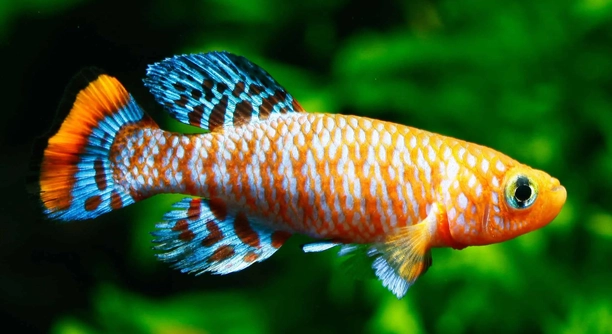
Keeping killi fish can be a rewarding hobby, but designing the right tank setup is important for their health and happiness. Many enthusiasts look for creative ways to build tanks that suit these unique fish. Proper tank design helps simulate their natural environment.
Seven cool tank designs for killi keepers focus on balancing aesthetics with functional needs. These designs incorporate natural plants, suitable substrates, and water conditions that mimic the killifish’s habitat. They provide optimal space for swimming and breeding behaviors.
These tank ideas will inspire both new and experienced keepers to create ideal homes for their killis. Thoughtful design choices can make all the difference in maintaining healthy fish.
Natural Planted Tank Design
Creating a natural planted tank is one of the best ways to keep killifish comfortable and healthy. These tanks include live plants that provide hiding spots and improve water quality. Plants like Java moss, Anubias, and floating species work well because they offer shade and breeding areas. The substrate should be soft, like sand or fine gravel, to mimic riverbeds where killis thrive. Gentle filtration is important to avoid strong currents that can stress the fish. Adding driftwood or smooth rocks enhances the natural feel and gives killifish places to explore. This setup closely resembles their wild habitat, encouraging natural behavior such as swimming among plants and spawning. A planted tank also helps maintain stable water parameters, which is crucial for killifish since they are sensitive to sudden changes. Overall, a natural planted tank provides both beauty and function, making it a smart choice for killi keepers who want to support the fish’s well-being.
Plants improve water quality by absorbing nitrates and producing oxygen, which benefits killifish health.
A natural planted tank offers a peaceful environment that reduces stress for killifish. It also helps keep water conditions stable. When choosing plants, focus on those that grow well in soft, slightly acidic water. Floating plants add cover and reduce light intensity, which killifish prefer. Avoid aggressive plant trimming to protect eggs and fry. Keep the tank lightly filtered and do partial water changes regularly to maintain cleanliness. This design encourages active swimming and natural spawning behaviors, making it a practical and attractive option for anyone raising killifish.
Minimalist Tank Setup
A minimalist tank setup focuses on simplicity and ease of maintenance, while still providing a safe home for killifish.
Minimalist tanks use clean lines, few decorations, and open swimming space.
This design typically includes a bare-bottom or simple sand substrate with minimal decorations like one or two smooth stones or a single piece of driftwood. The idea is to reduce clutter while keeping the environment functional for killifish activity. Without dense plants, water flow can be slightly increased, but it should still remain gentle. Lighting is kept moderate to avoid stressing the fish. Minimalist tanks are easier to clean and allow for easy observation of the killifish’s vibrant colors and movements. This setup suits keepers who prefer straightforward maintenance and a sleek look without sacrificing the fish’s basic needs. Proper water quality management remains key since fewer plants are available to assist with filtration. Regular water changes and monitoring are essential to keep killifish healthy in a minimalist environment.
Biotope-Inspired Tank
Biotope tanks replicate the natural environment of specific killifish species. They use local plants, substrates, and water conditions to create an authentic setting.
Choosing native plants and materials supports the fish’s natural behaviors and breeding habits. This approach helps maintain stable water chemistry and reduces stress. For example, using peat moss or leaf litter can slightly acidify water, which many killifish prefer.
Biotope tanks require research about the fish’s origin but offer great rewards. They encourage natural feeding, mating, and territorial behavior. This setup also makes it easier to monitor fish health since the environment matches their natural needs closely. Using natural elements creates a peaceful, functional habitat that enhances killifish longevity and well-being.
Breeding-Focused Tank
A breeding-focused tank prioritizes conditions that encourage spawning and fry survival. It often includes dense plants or spawning mops where eggs can be laid safely.
Stable water parameters and gentle filtration are essential to protect delicate eggs and fry from strong currents or sudden changes. Providing hiding spots reduces stress and aggression among adults during breeding.
Lighting should be soft to mimic dawn or dusk, times when killifish typically spawn. Removing adults after eggs are laid prevents egg predation. Frequent water changes help maintain clean water, which is crucial for fry development. This tank design maximizes breeding success and supports healthy young killifish growth.
Nano Tank Setup
Nano tanks are small, compact environments ideal for limited space. They require careful maintenance to keep water stable for killifish.
Because of their size, nano tanks need frequent water changes and careful monitoring to avoid rapid parameter shifts.
Community Tank Considerations
Keeping killifish in community tanks requires choosing compatible species to avoid aggression and stress. Killifish are often peaceful but can become territorial. Ideal tank mates are small, calm fish that share similar water preferences. Avoid larger or aggressive species that may bully or eat killifish. Providing plenty of hiding spots and plants helps reduce conflict. It’s important to monitor interactions regularly to ensure harmony. This setup allows killifish to display natural behavior without feeling threatened, but it demands careful planning and observation to maintain a balanced tank environment.
Low-Tech Tank
Low-tech tanks avoid complex equipment, relying on natural processes to maintain balance.
What size tank is best for killifish?
A tank of at least 10 gallons is usually recommended for a small group of killifish. This size gives them enough swimming space while making it easier to maintain water quality. Larger tanks are better for multiple species or breeding setups, as they provide more stable environments and room for plants or decorations.
How often should I change the water in a killifish tank?
Regular water changes are essential. Typically, changing 20-30% of the water once a week keeps conditions healthy. In smaller or heavily planted tanks, more frequent but smaller changes may be needed. Always use water treated to remove chlorine or chloramine, and match temperature and parameters closely to avoid stressing the fish.
What type of filtration works best for killifish tanks?
Gentle filtration is key. Killifish prefer calm waters, so sponge filters or low-flow hang-on-back filters are ideal. Strong currents can stress them and disrupt natural behavior. The filter should also be easy to clean to maintain good water quality without disturbing the tank too much.
Can killifish live with other fish?
Killifish can coexist with peaceful, similarly sized fish that share their water needs. Avoid large, aggressive, or fast-moving species that may bully or harm them. Good tank mates include small tetras, rasboras, or peaceful bottom dwellers. Plenty of hiding places help reduce stress and territorial disputes.
What temperature do killifish prefer?
Most killifish thrive in temperatures between 72°F and 78°F (22°C–26°C). Some species tolerate cooler or warmer water, but it’s best to keep a stable temperature within this range. Avoid sudden changes, which can weaken their immune systems and increase the risk of disease.
Are live plants necessary for a killifish tank?
Live plants are highly beneficial but not absolutely required. They improve water quality by absorbing nitrates and provide hiding places and spawning sites. Floating plants help reduce light intensity, which many killifish prefer. If live plants aren’t an option, artificial plants can be used, but water quality must be monitored carefully.
What do killifish eat?
Killifish are mostly carnivorous and enjoy live or frozen foods like brine shrimp, daphnia, and bloodworms. High-quality flake or pellet food can supplement their diet, but they do best with varied, protein-rich meals. Feeding small amounts once or twice daily keeps them healthy without overfeeding.
How can I encourage killifish to breed?
Provide plenty of hiding spots and spawning materials like dense plants or mops. Maintain stable water parameters and soften the water slightly if possible. Gentle lighting that mimics natural conditions encourages spawning. Remove adults after eggs are laid to prevent egg predation, and keep water very clean during fry development.
Do killifish need special water conditions?
Most killifish prefer slightly acidic to neutral water with low hardness. Water softened with peat or leaf litter mimics their natural habitat. However, tolerance varies by species, so research the specific killifish you keep. Consistency is more important than exact numbers, so avoid sudden shifts in pH or hardness.
How long do killifish typically live?
Killifish generally live 1 to 3 years, though lifespan varies by species. Some annual species complete their lifecycle quickly, while others live longer in well-maintained tanks. Proper diet, stable water conditions, and low stress levels contribute to a longer, healthier life.
Can I keep different killifish species together?
Mixing species is possible but should be done cautiously. Different species can compete for territory or mates, and some may hybridize. Keep species with similar size and temperament, and provide plenty of hiding places to minimize conflict. Monitoring behavior closely is essential to maintain harmony.
What signs show my killifish is stressed or sick?
Common signs include clamped fins, loss of color, sluggish swimming, hiding more than usual, or refusal to eat. White spots, fin damage, or unusual growths can indicate illness. Early detection and improving water quality usually help recovery. Quarantining new fish before adding them to the main tank reduces disease risks.
How important is lighting for killifish tanks?
Moderate, soft lighting works best. Killifish come from shaded environments, so bright lights can cause stress. Floating plants or dimmers can help create suitable light levels. Proper lighting supports plant growth and helps fish show their best colors without overwhelming them.
Is it okay to keep killifish alone?
Many killifish species do better in pairs or small groups, especially for breeding purposes. However, some territorial males prefer solitude or living singly with several females. Research your species’ social needs, but providing company usually helps reduce stress and encourages natural behavior.
How do I clean a killifish tank without stressing the fish?
Clean the tank gradually and gently. Use a siphon to remove debris and avoid disturbing plants or substrate too much. Change water slowly to prevent shocking the fish. Clean filters regularly but don’t remove all beneficial bacteria at once. Keeping a calm environment during cleaning minimizes stress.
When it comes to keeping killifish, the tank design plays a key role in their health and happiness. Choosing the right setup depends on the space you have, your maintenance preferences, and the specific needs of your fish. Whether you prefer a natural planted tank, a minimalist design, or a breeding-focused environment, each option has its benefits. A well-designed tank creates a stable environment where killifish can swim freely, feel secure, and display natural behaviors. Paying attention to factors like water flow, lighting, and hiding spots can make a big difference in their overall well-being.
Maintaining clean water and stable conditions is just as important as the tank design itself. Killifish are sensitive to sudden changes in water quality, so regular water changes and gentle filtration help keep the tank balanced. Including live plants can improve water quality naturally while providing shade and shelter. Feeding your fish a varied diet of live, frozen, or good-quality prepared foods supports their health and coloration. Breeding killifish requires extra care, such as providing appropriate spawning sites and protecting eggs from adults. Understanding the basic needs of killifish allows you to create a tank that supports both their physical and behavioral health.
Overall, successful killifish keeping combines thoughtful tank design, proper water care, and attentive feeding. Taking the time to set up a suitable habitat will reward you with lively, colorful fish that thrive. It’s helpful to research the specific species you have, as their requirements can vary. Starting with a simple, well-planned tank and building your knowledge along the way makes the experience enjoyable. With patience and care, you can create a tank that is not only visually appealing but also a safe and comfortable home for your killifish.

Hello,
If you enjoy the content that we create, please consider saying a "Thank You!" by leaving a tip.
Every little bit helps us continue crafting quality advice that supports the health, happiness, and well-being of pets around the world, for pets of all shapes, sizes, and species.
We really appreciate the kindness and support that you show us!