
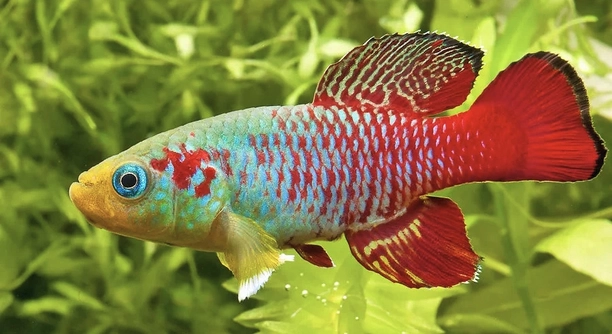
Killis are colorful and lively fish that many enjoy keeping in their aquariums. Sometimes, these fish may act slower than usual or seem less active. Knowing what to do when your killis appear lethargic is important for their well-being.
When killis seem lethargic, the primary response should be to check water quality, temperature, and oxygen levels immediately. Poor conditions or illness often cause reduced activity, and addressing these factors can restore their health and vitality efficiently.
Understanding how to recognize signs and respond quickly can make a big difference for your killis. This article will help you ensure your fish stay healthy and active in their home.
Common Causes of Lethargy in Killis
Killis can become lethargic for several reasons, many related to their environment or health. Poor water quality is often a major factor. High ammonia or nitrite levels, or an unbalanced pH, can stress your fish and reduce their activity. Temperature also plays a role; killis usually prefer stable water temperatures, so sudden changes can cause sluggish behavior. Low oxygen levels can make them less energetic, especially if the tank lacks proper aeration. Additionally, overcrowding or aggressive tank mates can lead to stress, making killis hide or move less. Illnesses, such as bacterial infections or parasites, also contribute to lethargy. Observing their behavior closely and checking water parameters can help pinpoint the cause and improve their condition.
Keeping your tank clean and stable is key to preventing lethargy in killis.
Maintaining proper water conditions and monitoring your killis regularly will help keep them active and healthy. Addressing any environmental or health issues early makes a significant difference in their recovery and well-being.
How to Improve Your Killis’ Activity Levels
Start by testing the water for ammonia, nitrites, nitrates, and pH levels. If these are off, perform a partial water change to restore balance. Adjust the temperature slowly to the ideal range for your killis species, usually between 72°F and 78°F. Adding an air stone or increasing water movement can help boost oxygen levels. Observe your fish for signs of illness like spots, swelling, or unusual swimming. If you suspect infection, consult a veterinarian or use appropriate medication. Avoid overcrowding the tank and ensure your killis have enough hiding spots to reduce stress. Feeding them a varied diet of high-quality live or frozen foods can also increase their energy. Taking these steps regularly helps prevent lethargy and supports your killis’ overall health and vitality.
Monitoring Your Killis Daily
Checking on your killis every day helps catch problems early. Watch their behavior, appetite, and how they swim. Any sudden changes could signal stress or illness that needs attention quickly.
Daily observation is a simple but effective way to maintain your killis’ health. Notice if they are swimming actively, eating well, and interacting with their environment. Look for signs like hiding more than usual or swimming near the surface. Small changes can be early warnings. Also, check the tank environment for debris or changes in water clarity. Keeping a daily routine of watching your fish lets you act fast and prevent minor issues from becoming serious.
By making daily checks a habit, you create a safer and more stable home for your killis. This helps keep their energy up and stress down, leading to happier, healthier fish.
Feeding Tips to Boost Energy
Offering a varied diet helps keep your killis lively and healthy. Live or frozen foods such as brine shrimp, daphnia, and bloodworms provide essential nutrients and encourage natural hunting behavior.
Avoid overfeeding, as leftover food can pollute the water and harm your fish’s environment. Feed small amounts once or twice a day, giving only what they can consume in a few minutes. Variety in diet ensures your killis get balanced nutrition, which supports their immune system and activity levels. Occasionally adding high-quality flakes or pellets can supplement their meals but should not replace live foods. A well-fed killis is more likely to be active and display its natural colors and behaviors. Keeping feeding consistent and clean helps maintain water quality and your fish’s health.
Avoiding Overcrowding
Too many fish in one tank causes stress and reduces oxygen levels. Killis need space to swim freely and feel secure. Overcrowding often leads to lethargy and illness.
Maintain a proper fish-to-water ratio and provide hiding spots. This balance helps keep killis active and healthy.
Tank Maintenance Tips
Regular water changes are essential to keep the tank clean and stable. Change about 20-30% of the water weekly to reduce toxins. Clean filters and remove uneaten food to prevent waste buildup. Keeping the tank clean supports your killis’ health and energy.
Recognizing Signs of Illness
Look for spots, discoloration, clamped fins, or unusual swimming. Early detection helps prevent serious health problems.
FAQ
Why does my killis seem lethargic even when the water looks clean?
Sometimes water can look clear but still have harmful chemicals like ammonia or nitrites. These are invisible to the eye but dangerous for your fish. Testing the water regularly with a reliable test kit helps catch these problems early. Also, check if the temperature is stable because sudden drops or spikes can make killis less active. Make sure your tank has good oxygen flow too, as low oxygen can cause lethargy despite clean water.
How often should I test my aquarium water?
It’s best to test your water at least once a week, especially if you notice your killis acting sluggish. Testing helps you track ammonia, nitrite, nitrate, and pH levels. If any of these are out of balance, your fish may suffer. Testing more often is important if you recently added new fish or made changes to the tank. This way, you can catch issues quickly and keep your killis comfortable.
Can poor diet cause lethargy in killis?
Yes, a poor diet can make your killis less energetic. Killis need a varied diet that includes live or frozen foods like brine shrimp or daphnia to get proper nutrients. Feeding only flakes or pellets can cause nutritional gaps. Avoid overfeeding because leftover food pollutes the water, which stresses your fish and lowers their energy. Providing fresh, high-quality food helps killis stay active and healthy.
What temperature is best for killis?
Most killis do well between 72°F and 78°F (22°C to 26°C). Temperatures outside this range can stress them and make them lethargic. Avoid sudden changes in temperature, which are worse than a steady temperature even if it’s not perfect. Use a heater or chiller as needed to keep the water stable. Stability is more important than hitting an exact number.
How can I tell if my killis are stressed?
Signs of stress include hiding too much, swimming erratically, clamped fins, or loss of appetite. Stress can also cause your killis to become very still or lethargic. Stress often comes from poor water quality, aggressive tank mates, or overcrowding. Reducing these factors and improving tank conditions usually helps killis feel safer and become more active.
Should I quarantine new fish before adding them to the tank?
Yes, quarantining new fish for at least two weeks helps prevent spreading diseases. New fish can carry infections or parasites that cause lethargy in your killis. Keep new fish in a separate tank and watch for signs of illness before mixing them with your main tank inhabitants. This step protects your existing killis and keeps the whole tank healthy.
What medications are safe for killis if they get sick?
Killis are sensitive to many chemicals, so always use medications designed for small, delicate tropical fish. Avoid harsh treatments unless a vet recommends them. Common safe options include antibacterial treatments for minor infections and antiparasitic medications if parasites are confirmed. Always follow dosage instructions carefully and monitor your killis during treatment.
Can changing tank decorations or plants help lethargic killis?
Sometimes yes. Killis like having places to hide and rest. If your tank lacks hiding spots, adding plants or decorations can reduce stress. However, sudden large changes might cause more stress at first. Introduce new decorations slowly and observe your killis’ behavior to see if they respond positively. A comfortable environment supports their energy and well-being.
How long does it take for lethargic killis to recover?
Recovery time depends on the cause. Fixing water quality or temperature issues might improve activity in a few days. Treating illness can take one to two weeks or longer. Consistent care, proper feeding, and stable tank conditions speed recovery. Patience is important, as rushing or changing too much at once can cause setbacks.
Is it normal for killis to rest for long periods?
Killis do rest and may stay still sometimes, but long periods of inactivity are not normal. Healthy killis swim actively most of the day. If your killis is resting much more than usual or appears weak, it could signal a problem. Keep monitoring them and check the tank conditions to rule out stress or illness.
Killis are beautiful and lively fish that bring joy to many aquarium keepers. However, when they become lethargic, it can be worrying. Understanding the reasons behind their sluggish behavior is important. Often, lethargy is a sign that something in their environment needs attention. Water quality, temperature, and oxygen levels play major roles in their overall health. Keeping these factors stable and clean helps prevent many problems. When killis are active and swimming normally, it usually means their habitat is well maintained.
Feeding also affects how energetic your killis are. A balanced diet with live or frozen foods helps keep them healthy and vibrant. Overfeeding or poor-quality food can cause water pollution and harm your fish. Watching your killis daily helps you notice any changes early, giving you a chance to fix issues before they get worse. Providing enough space and hiding spots reduces stress and encourages natural behaviors. Avoiding overcrowding and aggressive tank mates is just as important. A calm environment supports their energy and well-being.
If your killis become lethargic, act quickly to check water conditions, feeding, and tank setup. Sometimes, illness can cause low activity, and catching it early is key to recovery. Patience and consistent care are needed when helping your killis get better. Every tank is different, so regular monitoring and adjustments will keep your fish happy and lively. Taking time to understand their needs ensures a healthy, thriving aquarium where your killis can show their true colors and energy.

Hello,
If you enjoy the content that we create, please consider saying a "Thank You!" by leaving a tip.
Every little bit helps us continue crafting quality advice that supports the health, happiness, and well-being of pets around the world, for pets of all shapes, sizes, and species.
We really appreciate the kindness and support that you show us!