
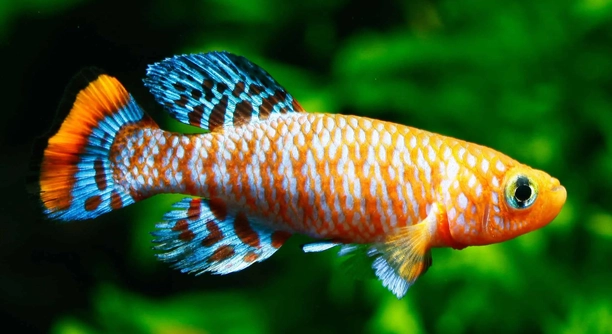
Many aquarium hobbyists wonder about keeping male killifish together. These colorful fish are popular for their unique patterns and lively behavior. Understanding their social dynamics helps ensure a peaceful and healthy tank environment.
Housing male killifish together is generally not recommended due to their territorial nature. Males often exhibit aggressive behavior toward each other, which can lead to stress, injury, or even death. Careful tank setup and monitoring are essential if they are kept in the same space.
Knowing how to manage killifish males properly can improve their well-being. The following information explains the best practices for their care and compatibility.
Understanding Killifish Male Behavior
Male killifish are naturally territorial. In the wild, they stake out areas to attract females and defend their space from other males. When kept together in an aquarium, these instincts do not disappear. Instead, the confined space can intensify their aggression. Males may chase, nip, or even injure each other while trying to establish dominance. This behavior can cause stress, which weakens their immune systems and makes them more vulnerable to disease. It is important to provide plenty of hiding spots and plants to break the line of sight and reduce conflict. Even with careful tank decoration, some males will still fight. Understanding their natural behavior helps in creating an environment that limits stress and injury.
Tank size plays a crucial role in housing male killifish. Smaller tanks tend to increase aggression due to limited space.
Providing sufficient space and hiding places can reduce, but not completely eliminate, aggressive encounters between males.
Tank Setup Tips for Male Killifish
A tank for multiple male killifish should be at least 20 gallons to allow territory division. Adding dense plants, rocks, and decorations creates natural barriers. These barriers help break visual contact between males, which lowers aggression levels. Substrate choice matters too; smooth gravel or sand reduces injury during fights. Water quality must remain stable, as stressed fish are less able to resist infections. Frequent water changes and proper filtration are necessary. Consider including some fast-swimming species or non-aggressive tank mates that occupy different water levels to help disperse male attention. Despite these efforts, some males may still dominate others, so monitor fish closely and be ready to separate aggressive individuals if needed. Proper tank setup combined with careful observation increases the chances of a peaceful male killifish community.
Signs of Aggression in Male Killifish
Aggression shows through chasing, fin nipping, and flaring of fins. Males may also hide frequently or appear stressed. These behaviors can escalate if left unchecked, causing injury or death.
It is important to watch for changes in behavior early. Persistent chasing or torn fins indicate high aggression levels. Some males will constantly bully others, preventing access to food or resting spots. These signs require intervention, such as adding more hiding places or separating the most aggressive fish.
Stress from aggression can weaken immune responses. Injuries often become infected, which may spread in a small tank. Monitoring behavior daily helps catch problems before they become serious. Timely action can save your fish and keep the tank more peaceful.
Separating Aggressive Males
Separating aggressive males quickly reduces injury risks. Use a quarantine or hospital tank to isolate the dominant or injured fish. This break can calm tensions and allow recovery.
When reintegrating separated males, rearrange tank decorations to disrupt established territories. This helps reduce immediate conflict by creating new boundaries. Avoid placing aggressive males together unless the tank is large with many hiding spots. Sometimes, permanent separation is necessary to protect weaker individuals. Regular monitoring after reintegration is important to prevent renewed fighting. In some cases, keeping only one male per tank is the safest option for their well-being and your peace of mind.
Female Killifish as Tank Mates
Female killifish usually get along well with males. They help balance aggression by giving males something else to focus on. Including females can reduce male fighting but does not eliminate it completely.
Still, overcrowding should be avoided. Too many fish can increase stress and competition for resources.
Alternative Tank Mates for Male Killifish
Choose peaceful, fast-swimming fish that occupy different tank levels. Species like small tetras or rasboras often coexist without conflict. Avoid aggressive or slow-moving fish that could be targets of bullying.
Introducing compatible tank mates can improve the overall environment and distract males from constant fighting. Careful selection and observation are key to success.
Feeding Male Killifish
Feed a varied diet of high-quality flakes, frozen, or live foods. Providing enough food reduces aggression caused by competition. Uneaten food should be removed promptly to maintain water quality.
FAQ
Can male killifish live together peacefully?
Male killifish are naturally territorial, so keeping them together often leads to aggression. While some males may tolerate each other in a large, well-decorated tank, most will display chasing and fighting behaviors. It is rare for multiple males to live completely peacefully without intervention. Providing plenty of hiding spots and plants can reduce aggression, but it usually does not stop it entirely. Close monitoring is essential to protect weaker fish from harm.
What size tank is best for housing male killifish together?
A tank of at least 20 gallons is recommended when keeping multiple male killifish. Larger tanks provide more space to establish separate territories, which helps reduce conflict. Tanks smaller than 20 gallons increase the chance of aggression because the fish cannot avoid each other. Even in larger tanks, good decoration and hiding places are necessary to break lines of sight between males.
How can aggression among male killifish be managed?
Aggression can be managed by adding dense plants, rocks, and decorations to create barriers. Rearranging tank decorations regularly can disrupt established territories and lower fighting chances. If aggression becomes severe, separating the most aggressive males is important. Isolating injured fish helps them heal and reduces stress. Maintaining excellent water quality and feeding properly also supports overall health, making fish less prone to aggressive behavior.
Are there better tank mates to keep with male killifish?
Peaceful, fast-swimming fish that live in different tank levels work best as tank mates. Species like small tetras or rasboras generally do not provoke aggression and help distract males. Avoid aggressive or slow-moving species, as these can be targets for bullying. Female killifish are also recommended tank mates to balance male behavior and reduce fighting.
What signs show that male killifish are stressed or injured from aggression?
Common signs include torn fins, faded colors, and constant hiding. Chasing and fin nipping are early indicators of aggression. Stressed fish may lose appetite and appear lethargic. Injuries can become infected, leading to white spots or fungus. Regularly observing fish behavior helps detect problems early. Prompt action can prevent serious health issues.
How often should male killifish be fed to reduce aggression?
Feed male killifish twice daily with a varied diet that includes flakes, frozen, or live foods. Providing enough food reduces competition, which lowers aggression. Remove uneaten food promptly to maintain water quality. Overfeeding should be avoided, as it can lead to poor water conditions and stress.
Is it safe to keep only one male killifish in a tank?
Yes, keeping a single male killifish is often the safest option. This eliminates all risk of male-to-male aggression and helps the fish live a less stressful life. If you prefer multiple males, ensure the tank is large, well-planted, and monitor behavior closely. Otherwise, a solo male will thrive with less risk of injury.
Can male killifish be reintroduced after being separated?
Reintroducing males is possible but should be done carefully. Rearranging tank decorations before reintroduction helps break established territories. Monitor fish closely after reintroduction for renewed aggression. If fighting resumes, permanent separation may be necessary. Patience and caution are essential to avoid injury.
What are the best decorations to reduce aggression?
Dense plants, rocks, and caves provide hiding spots and visual barriers. These decorations help males establish separate territories and reduce direct confrontations. Avoid open tanks or bare bottoms, which increase visibility and aggression. Changing the layout periodically can prevent territorial disputes from becoming fixed.
How does water quality affect male killifish behavior?
Poor water quality increases stress, which can worsen aggressive behavior. Clean water supports immune health and reduces the chance of illness from injuries. Regular water changes and proper filtration are vital. Keeping parameters stable—such as temperature, pH, and hardness—helps maintain a peaceful tank environment.
Male killifish are beautiful and interesting fish, but their natural behavior makes housing multiple males together challenging. Their territorial instincts often lead to aggression, which can cause stress and injury. For this reason, careful planning and observation are needed when deciding to keep more than one male in the same tank. Providing enough space, hiding spots, and decorations helps reduce conflicts, but it does not guarantee peaceful coexistence. Some males will always try to assert dominance, which can lead to fighting and harm. Understanding this behavior is key to making the best choices for your fish’s health and well-being.
Tank size plays an important role in reducing aggression among male killifish. A larger tank gives each male more room to establish its own territory. This space helps lessen frequent confrontations and chasing. Along with size, tank decoration is essential. Plants, rocks, and caves create natural barriers that break the line of sight between males. These barriers lower stress and give fish places to retreat. Even with good tank conditions, some males may not get along. It is important to watch your fish closely and be prepared to separate individuals if aggression becomes a problem.
Feeding and water quality also affect how well male killifish get along. A balanced diet reduces competition over food, which can cause fights. Feeding them enough food twice a day helps keep aggression down. Clean, stable water supports fish health and reduces stress that might trigger fighting. Regular water changes and good filtration are necessary to keep the tank environment healthy. In the end, housing male killifish together requires effort and attention. When done carefully, it can work, but many keepers find that keeping only one male per tank is the safest and least stressful option for these fish.

Hello,
If you enjoy the content that we create, please consider saying a "Thank You!" by leaving a tip.
Every little bit helps us continue crafting quality advice that supports the health, happiness, and well-being of pets around the world, for pets of all shapes, sizes, and species.
We really appreciate the kindness and support that you show us!