
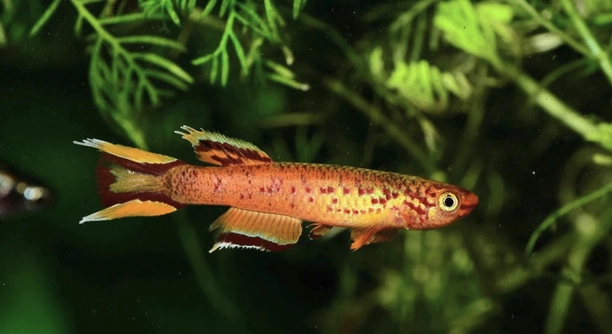
Do you ever find yourself watching your killifish dart around and wonder what their quirky behavior really means?
Killifish display a wide range of behaviors influenced by their environment, diet, and social structure. These behaviors include jumping, burrowing, and even mock fighting. Observing these actions can reveal key insights into their health and well-being.
From unexpected sleeping habits to territorial signals, these surprising facts will help you better understand your killifish and their world.
Killifish Sometimes Jump for Survival
Killifish are known to jump, and it’s not just for fun. In the wild, this behavior helps them escape drying puddles or move to safer spots. In aquariums, it often happens when they feel stressed or threatened. Changes in water quality, lighting, or tank mates can trigger this response. Covering the tank with a secure lid and maintaining consistent conditions can reduce their urge to leap. Some species are more prone to jumping, especially during breeding or when startled. While it may look playful, this action often signals that something in their environment needs adjustment. Keeping an eye on their behavior helps prevent injuries or escape.
Make sure your tank has a secure cover, and avoid sudden changes that could make your killifish uncomfortable.
Understanding this instinctive behavior allows you to create a safer, more stable environment for your fish. You’ll reduce the risk of injury and help them feel more secure.
They Sleep, But Not Like You Think
Killifish do sleep, but they don’t close their eyes. Instead, they rest near the bottom of the tank, often remaining still for hours.
They typically sleep at night when the lights go off, entering a state of reduced activity. This rest period is essential for their health. If your killifish seems inactive during the day, it could be a sign of stress or illness rather than rest. Make sure the tank is dim during the night and quiet, as excess noise or light can disturb them. Unlike mammals, their sleep doesn’t involve deep brain activity, but it still allows recovery. You may notice slight gill movements or tail twitches, which is normal. Watching for these signs helps you spot what’s typical rest versus a potential health concern. Being aware of their sleep habits ensures they get proper rest and helps you recognize when something isn’t quite right in their daily rhythm.
Killifish Can Change Color
Color changes in killifish can signal mood shifts, stress, or breeding behavior. Males often display brighter colors during mating periods, while dull tones may indicate illness or discomfort. These changes are natural but worth watching closely.
During breeding, males use vibrant colors to attract females and establish dominance. If your killifish appears brighter than usual, it may be preparing to mate. On the other hand, if the fish turns pale or loses its usual pattern, that could mean poor water quality or illness. Stress from overcrowding, incorrect pH levels, or temperature swings also affects coloration. Always monitor any changes, especially if they happen suddenly. Bright hues can be exciting to see, but they aren’t always positive. Keeping the tank calm, stable, and clean supports healthy coloration and overall well-being.
Color patterns can also vary by species and age. Juveniles may have muted tones that intensify as they grow. Some killifish display temporary color shifts when exploring new surroundings or responding to tank mates. Others might develop subtle color bands when frightened or startled. Understanding your fish’s baseline appearance helps you quickly identify when something changes. Pay attention to lighting, as that can also affect how their color appears. Balanced lighting, stable water parameters, and good nutrition all play a role.
They Sometimes Display Mock Fights
Mock fighting happens when two killifish flare fins, chase each other, or nip without real injury. This behavior is often linked to territorial displays or establishing dominance. It usually looks intense but is generally harmless if both fish remain uninjured.
This behavior is more common in males, especially when housed together. They may engage in quick displays to show who’s in charge of a specific part of the tank. Providing enough space, hiding spots, and visual barriers helps reduce tension and prevents one fish from constantly pursuing the other. If mock fighting turns into repeated, aggressive attacks or results in injuries, separation may be necessary. Tank layout plays a big role in reducing conflict. Rearranging decorations or adding plants can interrupt territorial patterns. Keep in mind that some level of mock fighting is natural and even healthy. It allows killifish to exercise instincts without harm when managed in the right conditions.
Some Species Lay Eggs in Mud
Annual killifish species lay their eggs in mud or soft substrate during the rainy season. When water dries up, the eggs remain buried and survive dry conditions for months, waiting for the next rainfall to hatch.
This unique breeding method helps them adapt to temporary water sources. It also explains why their lifespans are shorter, as their entire life cycle is designed to fit within one wet season.
They Can Recognize Tank Mates
Killifish can learn to recognize familiar tank mates over time. While they don’t form strong social bonds, they often show reduced aggression and stress when living with fish they’ve been raised with or have encountered before.
Some Killifish Prefer to Live Alone
Certain species are more territorial and do better without tank mates. If a killifish consistently chases or hides from others, it may be more comfortable in its own space.
FAQ
Do killifish need a lid on their tank?
Yes, killifish tanks should always be covered with a tight-fitting lid. Many species are known jumpers and can leap out when startled or during active moments. Even a small opening can lead to an accident. A lid also helps maintain temperature and humidity, which are important for their health.
How long do killifish usually live?
Lifespan varies by species. Annual killifish live around 6 to 12 months due to their natural habitat drying up seasonally. Non-annual species often live 2 to 3 years with proper care. Clean water, steady temperatures, and a balanced diet all contribute to a longer life in captivity.
Do killifish get along with other fish?
Some species are peaceful, while others are more territorial. Males are usually more aggressive, especially in smaller tanks. Housing them with fast, non-aggressive fish of a similar size can work, but always observe closely. Crowding or mismatched tank mates can lead to stress or injury.
How can I tell if my killifish is stressed?
Common signs include loss of color, hiding, refusing food, or erratic swimming. Poor water quality, incorrect temperature, or aggressive tank mates can all cause stress. It’s important to test water regularly and adjust tank conditions as needed. A stressed fish often shows early signs before becoming ill.
Do killifish sleep like other fish?
Yes, but they do it differently. Killifish rest near the bottom or in plants, usually becoming still when the lights go out. They don’t close their eyes but enter a calm state. If one fish is inactive during the day, it may be a sign of illness instead of rest.
Why is my killifish losing its color?
Color loss can result from stress, illness, or poor water quality. A sudden change often signals something wrong, such as an ammonia spike or a tank mate causing distress. In older fish, color may naturally fade. Bright lighting or dietary changes can also affect appearance.
Can killifish recognize their owners?
They may not recognize you in the same way a dog would, but killifish can associate your presence with feeding and safety. Over time, they may swim toward you or become more active when you approach the tank, especially if you maintain a consistent routine.
How often should I feed my killifish?
Feed adult killifish once or twice a day with small portions. Overfeeding causes water quality issues. Offer a mix of high-quality flakes, frozen foods, or live foods like brine shrimp. Juveniles may need more frequent feeding until they grow stronger.
Do killifish need plants in their tank?
Plants aren’t required, but they are beneficial. Floating or rooted plants help reduce stress, provide hiding places, and improve water quality. Some killifish also use plants as spawning sites. Low-light plants like Java moss or hornwort work well in most setups.
How big of a tank do killifish need?
Most killifish can live comfortably in a 10-gallon tank, especially if kept singly or as a breeding pair. Larger tanks are better if housing multiple fish or species. Make sure the tank has a secure lid, gentle filtration, and stable water parameters suited for the species.
Final Thoughts
Killifish are fascinating creatures with behaviors that often surprise first-time keepers. From jumping out of tanks to laying eggs in mud, their habits are shaped by nature and their unique life cycles. Some species thrive in groups, while others prefer to be alone. They also rest in unusual ways and can even recognize patterns in their environment. These small fish may not always show emotions the way mammals do, but they respond clearly to changes in their surroundings. Learning about their behavior helps you understand their needs better and gives you the tools to provide a healthy home.
Taking care of killifish means more than feeding them daily. They require specific water conditions, appropriate tank mates, and consistent lighting to feel safe. Watching their color, energy levels, and social behavior can tell you if something is off. A sudden change in any of these areas may be a signal that the fish is stressed or unwell. By observing them regularly, you begin to notice their natural rhythms. Knowing when they are active, resting, or displaying during mating season helps you make informed decisions about their care. Small actions like maintaining water quality, limiting stress, and offering space go a long way in keeping them healthy.
Whether you’re caring for a single killifish or a small group, it’s important to stay patient and attentive. These fish may seem simple at first, but their behavior shows complexity and instinct. Some species live only a few months, so creating a peaceful, safe environment makes a meaningful difference in that short time. Others live for years and develop familiar patterns you can grow to recognize. No matter the species, your effort in understanding their behavior is key to keeping them comfortable. Killifish may not demand much, but they do best with thoughtful, steady care. With time and attention, you’ll learn to recognize what’s normal for your fish and respond when something changes. This kind of care not only benefits them, but also makes the experience more rewarding for you.

Hello,
If you enjoy the content that we create, please consider saying a "Thank You!" by leaving a tip.
Every little bit helps us continue crafting quality advice that supports the health, happiness, and well-being of pets around the world, for pets of all shapes, sizes, and species.
We really appreciate the kindness and support that you show us!