
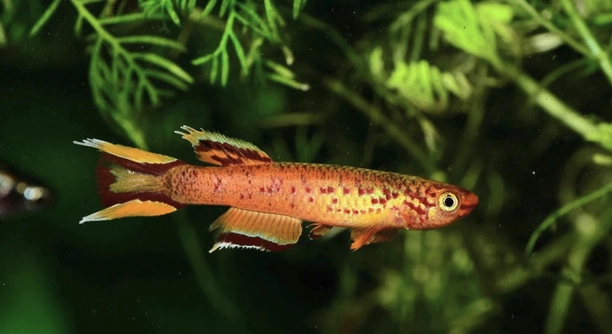
Keeping killifish without a filter is a topic that many aquarium enthusiasts consider. Killifish are known for their vibrant colors and unique behaviors. Understanding their care needs is important to maintain a healthy environment in your tank.
Killifish can survive without a filter, but only with careful maintenance such as frequent water changes and a well-established tank ecosystem. Filters help maintain water quality by removing waste and toxins that can otherwise accumulate and harm the fish.
Maintaining water quality without filtration requires consistent effort and knowledge, which is essential for the long-term health of your killifish. This article will guide you through practical steps to keep your tank balanced without relying on a filter.
Understanding Killifish and Their Environment
Killifish are hardy fish that can adapt to various water conditions. They naturally live in small, slow-moving bodies of water, often with little to no filtration. This means they are used to environments where water quality changes frequently, but they still need clean water to thrive. Without a filter, maintaining good water quality depends on regular water changes and controlling waste buildup. The tank should be well-planted to help absorb toxins and provide hiding spots. Overfeeding must be avoided to reduce excess waste. Monitoring water parameters like ammonia, nitrites, and nitrates is essential to prevent harmful spikes. With careful attention, killifish can live comfortably without mechanical filtration, but this requires a commitment to tank upkeep.
Successful filterless setups depend on a stable, balanced tank where water quality is maintained by natural means and consistent care.
Removing the filter means relying more on plants, beneficial bacteria, and manual cleaning. You will need to replace a portion of the water weekly to keep conditions safe and prevent toxin buildup.
Water Changes and Maintenance Without a Filter
Water changes are the most important task when keeping killifish without a filter. Without filtration, waste, uneaten food, and fish excrement build up quickly and degrade water quality. To keep the tank safe, changing 25% to 50% of the water every week is necessary. Using a gravel vacuum can help remove debris from the substrate, which is where waste tends to accumulate. Live plants can improve water quality by absorbing nitrates, but they alone are not enough to replace a filter fully. It is also important to test the water regularly using test kits to catch any dangerous shifts early. Consistent monitoring and maintenance keep the tank environment stable and healthy for your killifish.
Water changes help control toxins that can harm your fish and keep the environment fresh without mechanical filtration.
Regular water changes require dedication but directly improve fish health and tank longevity. You may notice that your killifish are more active and vibrant when water quality is kept high. In a filterless setup, avoiding overcrowding is also important since too many fish produce waste faster than you can remove it. Using slow-release or root-feeding fertilizers can support plant growth without polluting the water. Avoid sudden large water changes to prevent stressing the fish. Instead, aim for consistent, smaller changes that gradually improve conditions. With proper care, a filterless killifish tank can be both beautiful and functional.
Tank Setup Tips for Filterless Killifish
Choose a tank size that allows space for regular maintenance and water changes. Include plenty of live plants to help absorb waste and provide hiding places. Use a substrate that is easy to clean, like sand or fine gravel, to prevent debris buildup.
A well-planted tank mimics the killifish’s natural habitat, helping reduce stress and improve water quality. Plants like Java moss, floating plants, and Anubias are good options because they grow well and don’t require much light. Adding driftwood or rocks creates hiding spots and territories, which can reduce aggression between fish. Avoid overcrowding, as too many fish will produce more waste than you can manage without a filter.
Position the tank away from direct sunlight to avoid excessive algae growth, which can quickly become a problem without filtration. A gentle sponge filter or air stone can be used to increase oxygen without relying on a mechanical filter, but it is not required if water movement is sufficient. Regular observation helps detect any signs of distress early.
Feeding Practices for Killifish Without a Filter
Feed killifish small amounts of food once or twice daily to prevent leftover waste. Overfeeding quickly degrades water quality in a filterless tank.
Choose high-quality foods like live or frozen brine shrimp, daphnia, or specialized killifish pellets. These foods are nutritious and reduce the risk of uneaten particles fouling the water. Observe how much your fish consume within five minutes and adjust portions accordingly. Remove any leftover food promptly using a net or siphon. Feeding live foods can also stimulate natural hunting behavior, which is beneficial for the fish’s health and activity levels.
Regular feeding schedules help maintain stable water conditions by minimizing excess nutrients. Avoid feeding flakes or food that breaks apart easily, as these can cloud the water and increase waste. Clean feeding habits combined with water changes contribute significantly to maintaining a healthy environment without a filter.
Managing Waste Without a Filter
Waste buildup can quickly harm killifish if not managed properly. Removing uneaten food and fish waste regularly is essential to keep water clean.
Using a gravel vacuum during water changes helps remove debris from the substrate. This prevents toxic buildup that can stress or kill fish over time.
Monitoring Water Quality
Regular testing of ammonia, nitrite, and nitrate levels is crucial in a filterless tank. These parameters must stay within safe ranges to avoid harming your killifish.
Testing kits are affordable and easy to use. Keep a log of your results to track trends and act quickly if levels rise. Consistent monitoring supports timely water changes and tank maintenance.
Signs Your Killifish Are Stressed
Lethargy, loss of color, and erratic swimming often indicate poor water quality or stress. Address these signs immediately by checking tank conditions.
Can killifish live without a filter?
Yes, killifish can live without a filter if the tank is properly maintained. Regular water changes, live plants, and careful feeding help keep the water clean. The absence of a filter means you must be diligent about removing waste and monitoring water quality to ensure a healthy environment.
How often should I change the water in a filterless killifish tank?
Water changes should be done at least once a week, replacing 25% to 50% of the tank water. This removes waste and toxins that build up quickly without filtration. More frequent changes might be necessary in smaller tanks or with higher fish loads.
What size tank is best for a filterless killifish setup?
A larger tank, at least 10 gallons, is recommended. Bigger tanks have more stable water parameters and are easier to maintain without a filter. They also provide enough space for plants and hiding spots, which are important for killifish wellbeing.
Can I use live plants to help with water quality?
Yes, live plants are very helpful. They absorb nitrates and other waste products, improving water quality naturally. Fast-growing plants like Java moss, hornwort, and floating plants work well in filterless tanks and provide shelter for the fish.
What type of substrate should I use?
Choose a substrate that is easy to clean, such as sand or fine gravel. Avoid substrates that trap too much debris, as this can cause waste buildup and affect water quality. Regular vacuuming of the substrate is necessary to keep it clean.
How much should I feed my killifish?
Feed small amounts once or twice a day, only what the fish can eat within five minutes. Overfeeding causes leftover food to decay, which pollutes the water and stresses the fish. Use high-quality live or frozen foods to provide balanced nutrition.
Can I keep other fish with killifish in a filterless tank?
It is possible, but be cautious. Killifish can be territorial, and the added waste from other species may make water maintenance harder. Choose peaceful tank mates that produce little waste and can thrive in similar water conditions.
What are the risks of not using a filter?
Without a filter, harmful toxins like ammonia and nitrites can build up quickly. This can cause stress, illness, or death. The tank requires consistent care, including water changes and monitoring, to avoid these issues.
Is oxygenation a concern without a filter?
Filters help circulate water and increase oxygen levels, but in a small tank with live plants, oxygen may be sufficient. If the tank is densely stocked, adding an air stone or gentle sponge filter can improve oxygen without full filtration.
How do I know if my killifish are healthy without a filter?
Healthy killifish are active, brightly colored, and eat well. Watch for changes in behavior, dull color, or gasping at the surface, which can indicate poor water quality or stress. Regular testing and maintenance help keep them healthy.
Can I breed killifish in a filterless tank?
Breeding is possible but requires excellent water quality and stable conditions. Frequent water changes and a well-planted tank are critical. Remove adults from the breeding tank if they show aggressive behavior to protect the eggs or fry.
What are the signs that I need to add a filter?
If you notice frequent spikes in ammonia or nitrites, persistent algae problems, or stressed fish despite good maintenance, adding a filter may be necessary. A filter reduces the workload and stabilizes the tank environment.
Are there any filter alternatives that are less intrusive?
Sponge filters or gentle air-driven filters can provide biological filtration without strong currents. These are good options if you want some filtration but need to maintain a low-flow environment preferred by killifish.
How does tank size affect maintenance without a filter?
Smaller tanks accumulate waste faster and require more frequent water changes, making maintenance harder. Larger tanks have more stable water chemistry and are easier to keep healthy without filtration.
What should I do if water quality suddenly drops?
Perform a partial water change immediately, test water parameters, and reduce feeding. Remove any uneaten food and debris. If problems persist, consider adding a gentle filter or reducing the number of fish.
Can I rely on plants alone to maintain water quality?
Plants help but are not enough by themselves. Regular water changes and debris removal are still necessary to keep the water safe and healthy for killifish.
What equipment is essential for a filterless killifish tank?
You need a good water test kit, a siphon or gravel vacuum for cleaning, a heater if required for your killifish species, and live plants. An air stone can be useful to improve oxygen but is optional.
How long can killifish live without a filter?
With proper care, killifish can live several years without a filter. The key is maintaining stable water quality through frequent water changes and attentive tank management.
Is algae a bigger problem without a filter?
Algae can grow faster without a filter to remove excess nutrients. Controlling light exposure, avoiding overfeeding, and maintaining good water quality help prevent algae overgrowth.
What are the benefits of keeping killifish without a filter?
Filterless tanks can better mimic natural killifish habitats with gentle water flow. They also reduce equipment costs and noise. However, they require more hands-on care to maintain water quality.
Can I keep multiple killifish species together in a filterless tank?
Mixing species is possible but increases the risk of aggression and complicates maintenance due to varying care needs. It’s better to keep compatible species in appropriate numbers to avoid stress and water quality issues.
What are the most important habits for filterless tank care?
Consistent water changes, regular testing, careful feeding, and substrate cleaning are essential. Keeping a maintenance schedule and observing your fish daily help catch issues early.
How can I reduce stress for killifish in a filterless tank?
Provide plenty of plants and hiding places. Avoid overcrowding and sudden changes in water conditions. Gentle water movement and stable temperatures also contribute to lower stress levels.
Is it harder to keep killifish without a filter compared to with one?
Yes, filterless setups require more frequent manual maintenance and monitoring. Filters automate water cleaning, so without one, you must be attentive to keep water parameters safe.
What is the best approach to start a filterless killifish tank?
Cycle the tank fully before adding fish to establish beneficial bacteria. Introduce plants early and start with a low fish count. Begin a regular water change schedule and monitor water quality closely.
How important is tank cycling without a filter?
Extremely important. Without a filter to house beneficial bacteria, the tank relies heavily on biological processes established during cycling. This reduces harmful ammonia and nitrites and supports fish health.
Keeping killifish without a filter is possible, but it requires careful attention and regular maintenance. The key to success lies in managing water quality through frequent water changes, careful feeding, and keeping a well-planted tank. Killifish are naturally adapted to environments with slow or no water flow, so a filter is not always necessary. However, without filtration, waste and toxins can build up quickly, making the tank conditions unsafe if neglected. This means the tank owner must be consistent and proactive in caring for the fish to keep them healthy.
A filterless tank often needs more hands-on care compared to one with filtration. Water changes should be done regularly, often weekly, to remove ammonia and other harmful substances. Using live plants can help improve water quality by absorbing some waste, but plants alone cannot replace the benefits of a filter. It is also important to avoid overfeeding, as leftover food can pollute the water. Monitoring water parameters using test kits helps catch problems early and allows for quick action to prevent stress or illness in the fish. Over time, maintaining a filterless killifish tank can become routine with the right habits.
While filterless setups may reduce equipment costs and noise, they demand more time and effort from the keeper. The benefits include creating a more natural environment for killifish, with gentle water flow and plenty of plants. This can help fish feel secure and display their natural behaviors. Still, success depends on being attentive to the tank’s needs. If proper care is difficult to maintain, adding a gentle filter can provide extra security by helping keep the water clean. Overall, keeping killifish without a filter can be rewarding when approached with dedication and knowledge.

Hello,
If you enjoy the content that we create, please consider saying a "Thank You!" by leaving a tip.
Every little bit helps us continue crafting quality advice that supports the health, happiness, and well-being of pets around the world, for pets of all shapes, sizes, and species.
We really appreciate the kindness and support that you show us!