
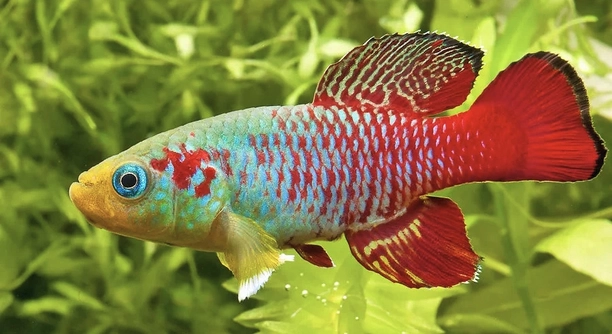
Killi fry are small, colorful fish often kept by hobbyists who appreciate their beauty and behavior. These delicate creatures can face several health challenges in captivity, which may affect their survival and growth. Knowing about common diseases helps keep them healthy.
Seven common diseases affect killi fry, including fungal infections, bacterial infections, parasitic infestations, swim bladder disorder, nutritional deficiencies, viral infections, and environmental stress-related illnesses. Each condition has distinct symptoms and requires specific care for prevention and treatment.
Understanding these diseases is essential for anyone caring for killi fry. Proper knowledge helps improve their chances of thriving in home aquariums and supports better overall fish health.
Fungal Infections in Killi Fry
Fungal infections are common in killi fry, especially in tanks with poor water quality. These infections usually appear as white or gray cotton-like growths on the skin or fins. Fungi thrive in damp and dirty environments, making regular tank maintenance critical. If untreated, fungal infections can spread quickly and cause serious harm to the fry. It is important to isolate infected fish and treat the water with antifungal medication to stop the spread. Improving water conditions and removing decaying plant matter or uneaten food also helps prevent fungal outbreaks. Proper filtration and frequent water changes maintain a healthy environment that limits fungal growth. Paying close attention to the fry’s behavior and appearance can catch infections early, improving treatment success. Prevention and early intervention are key to keeping fungal infections under control and ensuring healthy development in killi fry.
Fungal infections develop rapidly in poor water conditions but can be controlled with timely treatment and good tank hygiene.
Removing infected fry from the main tank and treating the water with antifungal agents effectively manages infections. Keeping the tank clean and maintaining stable water parameters prevent fungal growth. Avoid overcrowding and sudden temperature changes to reduce stress, which can make fry more vulnerable to fungi. Regular observation of your killi fry helps detect infections early, allowing prompt action to protect your fish. Consistent tank care is the best way to minimize fungal risks.
Bacterial Infections in Killi Fry
Bacterial infections often appear as red sores, fin rot, or swollen areas on killi fry. These infections spread quickly and are usually linked to stress or poor water quality. Proper hygiene and regular water changes help prevent bacterial outbreaks by reducing harmful bacteria in the tank. Treatment usually involves antibiotics, but it is important to use the correct medication for the specific infection. Overuse or misuse of antibiotics can harm fry and beneficial bacteria. Keeping tanks clean and stable reduces stress, improving the fry’s immune response. Good nutrition also supports their ability to fight infections. Monitoring water parameters closely and avoiding overcrowding limits the risk of bacterial diseases. Prompt attention to signs of illness can reduce losses and promote recovery.
Bacterial infections are a significant health issue in killi fry that require early detection and proper treatment to control effectively.
Bacterial infections in killi fry present serious health challenges and must be managed with care. Maintaining water quality is essential since poor conditions increase susceptibility to bacteria. Infected fry often show visible symptoms such as redness, inflammation, or fin damage. Treating infections promptly with suitable antibiotics improves outcomes but requires caution to avoid resistance or harm to beneficial bacteria. Supportive care includes isolating sick fry and improving tank conditions. Providing balanced nutrition strengthens the fry’s immune system, helping them resist infection. Regular tank maintenance and avoiding overcrowding further reduce bacterial risks. Preventing stressors such as sudden temperature changes or poor water parameters is also important. Vigilance and consistent care are necessary to keep killi fry healthy and thriving despite bacterial threats.
Parasitic Infestations
Parasitic infestations in killi fry often show as visible spots, scratching, or lethargy. These pests can weaken the fish and spread rapidly if not treated promptly.
Common parasites include ich, flukes, and protozoa, which attach to the skin or gills. Treatment typically involves medicated baths or water treatments with antiparasitic solutions. Maintaining clean water and quarantine procedures for new fish can prevent parasite introduction. Stress reduction through proper tank conditions also helps fry resist infections. Early detection and consistent treatment improve the chances of recovery and reduce mortality rates among fry.
Preventing parasite outbreaks requires good hygiene and regular observation. Removing infected fry quickly and using appropriate medications can contain infestations. It is important to follow dosage instructions carefully to avoid harming the fry or beneficial tank organisms.
Swim Bladder Disorder
Swim bladder disorder affects the ability of killi fry to control their buoyancy, causing them to float abnormally or sink to the bottom. It can result from overfeeding, constipation, or infections.
Proper feeding practices help reduce the risk of this disorder. Avoid overfeeding and provide a balanced diet rich in fiber. Some cases improve with fasting or feeding shelled peas to aid digestion. Environmental factors like sudden temperature changes or poor water quality can also contribute to swim bladder problems. Keeping stable tank conditions and regular water changes support overall health. Monitoring fry behavior helps identify swim bladder issues early for prompt care.
When swim bladder disorder occurs, isolating affected fry and adjusting diet often lead to recovery. Infections may require treatment, but most cases respond to simple care changes. Prevention through good nutrition and tank maintenance is the best approach to minimizing swim bladder issues.
Nutritional Deficiencies
Nutritional deficiencies in killi fry can lead to stunted growth, weak immune systems, and deformities. A lack of essential vitamins and minerals affects their overall health and survival.
Providing a varied diet with high-quality fry food and occasional live or frozen foods helps prevent these problems. Balanced nutrition supports proper development and disease resistance.
Viral Infections
Viral infections in killi fry are less common but can be severe. Symptoms include lethargy, discoloration, and sudden death. There is no direct cure for viral diseases, so prevention is key.
Maintaining clean water, minimizing stress, and quarantining new fish are important steps to reduce viral infection risks. Early detection and isolation help control outbreaks and protect the rest of the tank.
Environmental Stress-Related Illnesses
Environmental stress weakens killi fry and makes them more vulnerable to disease. Factors like poor water quality, sudden temperature changes, and overcrowding increase stress.
Stable water conditions and proper tank management reduce stress, supporting fry health and growth.
What are the first signs of disease in killi fry?
The first signs often include changes in behavior, such as lethargy, loss of appetite, or abnormal swimming patterns. Physical symptoms like spots, discoloration, torn fins, or swelling can also appear. Early detection is important to prevent the disease from spreading or worsening.
How can I prevent diseases in killi fry?
Maintaining clean water through regular changes and proper filtration is the best prevention. Avoid overcrowding and feed a balanced diet. Quarantine new fish before adding them to the tank. Monitoring water temperature and chemistry regularly also reduces stress and disease risk.
What should I do if I notice fungal growth on my fry?
Isolate the affected fry immediately to prevent spreading. Use antifungal treatments according to instructions. Improve water quality by removing decaying organic matter and performing water changes. Keeping the tank clean helps stop fungal infections from returning.
Are antibiotics safe for treating bacterial infections in fry?
Antibiotics can be effective but must be used carefully. Incorrect use can harm fry or beneficial bacteria. Always follow dosage instructions and complete the full treatment course. If unsure, consult an aquatic veterinarian or experienced hobbyist for advice.
How do parasites infect killi fry?
Parasites usually enter through contaminated water, new fish, or plants. They attach to the skin, fins, or gills and feed on the fry. Poor tank hygiene and stressed fish are more vulnerable. Quarantine and treatment with antiparasitic medications help control outbreaks.
Can swim bladder disorder be cured?
Swim bladder disorder often improves with dietary changes like fasting or feeding peas to aid digestion. Stable water conditions also support recovery. If caused by infection, treatment is necessary. Some cases may take longer to recover but early care improves chances.
Is it normal for fry to lose color when stressed?
Yes, stress can cause color fading or dullness. Factors like poor water quality, overcrowding, or sudden changes trigger stress. Reducing stress through tank maintenance and proper care helps fry regain their normal coloration.
What live foods are best for preventing nutritional deficiencies?
Live foods such as baby brine shrimp, daphnia, and microworms are excellent sources of nutrition. They provide essential proteins, fats, and vitamins that support healthy growth and immune function in killi fry.
How often should I change water to keep fry healthy?
Partial water changes of 20-30% once or twice a week help maintain water quality. Frequent changes prevent buildup of harmful toxins and reduce stress. Always match the new water temperature and parameters to the tank to avoid shock.
Can environmental stress cause permanent damage?
Prolonged or severe stress may weaken the immune system and stunt growth. In some cases, fry may develop deformities or die. Preventing stress through stable conditions and good care is critical for healthy development.
Is quarantine really necessary for new fish?
Yes, quarantining new fish for at least two weeks helps detect and prevent diseases from entering the main tank. It protects healthy fry from potential infections and allows safe introduction when they are confirmed disease-free.
How do I know if a disease outbreak is viral?
Viral infections often cause sudden illness or death without clear external symptoms. Discoloration, lethargy, or loss of appetite may appear. Since there is no direct cure, prevention and isolation of affected fish are essential to control spread.
What role does nutrition play in disease resistance?
Good nutrition strengthens the immune system, making fry less susceptible to infections. Feeding a varied, balanced diet rich in vitamins and minerals supports overall health and improves recovery from illnesses.
Are overcrowded tanks more prone to diseases?
Overcrowding increases stress, waste buildup, and competition for resources. These factors weaken fry and promote disease outbreaks. Maintaining appropriate stocking levels is important for preventing health problems.
Can temperature fluctuations cause disease?
Sudden changes in water temperature stress killi fry and lower their defenses. Stable, species-appropriate temperatures reduce stress and limit the chances of disease developing. Regular monitoring helps avoid harmful fluctuations.
How long does it take for fry to recover from common diseases?
Recovery times vary depending on the disease, severity, and treatment. Mild infections may clear in a few days with proper care, while severe cases can take weeks. Early detection and consistent treatment improve recovery speed.
Is it safe to mix treated water with untreated water during water changes?
Mixing treated and untreated water can introduce harmful substances or pathogens. Always use dechlorinated, temperature-matched water free of contaminants for changes. Proper preparation helps maintain a healthy environment.
Can stress alone kill killi fry?
Yes, prolonged stress weakens the immune system and can lead to death. Stress factors include poor water quality, overcrowding, and sudden environmental changes. Reducing stress is essential for survival.
What is the best way to treat multiple sick fry in a tank?
If many fry are sick, consider separating them into quarantine tanks for treatment. This prevents spreading and allows focused care. Use appropriate medications and improve tank conditions simultaneously.
How often should I observe my fry for signs of illness?
Daily observation is recommended to catch early signs of disease. Watching for changes in behavior, appetite, and appearance allows quick action and improves treatment success.
Can diseases return after treatment?
Diseases can return if tank conditions remain poor or stress continues. Complete treatment courses, maintain hygiene, and monitor the environment to prevent relapses. Consistent care is vital for lasting health.
Are homemade remedies effective against fry diseases?
Some home remedies may help mild issues, but they are not always reliable or safe. Using tested medications and following expert advice ensures better outcomes and reduces risks.
Should I remove plants during a disease outbreak?
Removing plants can help if they harbor parasites or bacteria, but healthy plants support water quality. Inspect and clean plants before returning them to the tank to minimize infection sources.
Is water hardness important for killi fry health?
Water hardness affects mineral availability and overall health. Maintaining species-appropriate hardness supports proper growth and disease resistance. Testing and adjusting water parameters as needed is important.
How do I know if my treatment is working?
Signs of improvement include increased activity, normal swimming, appetite return, and reduction of visible symptoms. If no progress appears within the expected time, reassess diagnosis and treatment plan.
Can stress from handling cause illness?
Handling causes stress and can damage delicate fry. Minimize handling and use gentle methods during transfers or treatments to reduce risk of injury and disease.
What is the role of quarantine tanks during disease treatment?
Quarantine tanks isolate sick fry, reducing spread and allowing targeted care. They also protect healthy fish and provide a controlled environment for medication and recovery.
Final Thoughts
Caring for killi fry requires attention to detail and a good understanding of their common health issues. Diseases such as fungal infections, bacterial infections, parasites, and swim bladder problems can quickly affect the well-being of these small fish. Maintaining clean water and a stable environment is essential to preventing many of these problems. Consistent tank maintenance, proper feeding, and monitoring water parameters create a healthy space for fry to grow. Taking early action when signs of illness appear can save many young fish from serious harm.
It is important to remember that prevention is always better than treatment. Keeping new fish or plants in quarantine before introducing them to the main tank helps avoid the spread of disease. Avoiding overcrowding and reducing stress through steady water conditions support strong immune systems in killi fry. Providing a balanced diet with proper nutrients further strengthens their ability to fight infections. Regular observation is key to spotting any changes in behavior or appearance early, allowing for quicker responses.
While some diseases may require medications, good tank care remains the foundation of healthy fry. Using treatments correctly and following guidelines helps control infections without harming the fish or beneficial bacteria. By focusing on prevention, clean water, and balanced nutrition, you can improve the survival and growth of your killi fry. With patience and proper care, these delicate fish have a better chance to thrive and develop into healthy adults.

Hello,
If you enjoy the content that we create, please consider saying a "Thank You!" by leaving a tip.
Every little bit helps us continue crafting quality advice that supports the health, happiness, and well-being of pets around the world, for pets of all shapes, sizes, and species.
We really appreciate the kindness and support that you show us!