
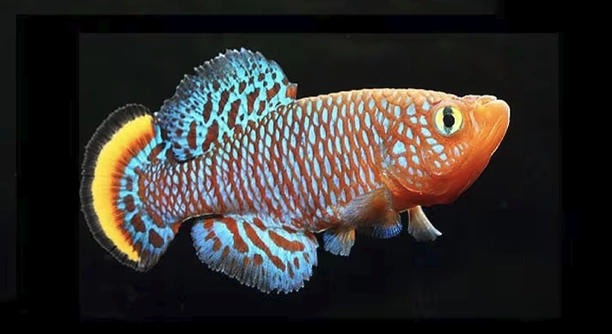
Many hobbyists keep killi fry because they are small, colorful, and easy to care for. Providing the right water conditions is important to help these delicate fish thrive in a home aquarium. Understanding water use is part of successful killi fry care.
Tap water can be used for killi fry if it is properly treated and conditioned. Chlorine, chloramines, and heavy metals must be removed using a water conditioner to ensure the water is safe. Maintaining stable pH and temperature also supports their growth.
Knowing how to prepare tap water correctly can improve the survival and health of your killi fry. This article will guide you through essential steps to create the best environment for them.
Why Tap Water Needs Treatment for Killi Fry
Tap water often contains chemicals like chlorine and chloramines, which are added to keep it safe for humans but can be harmful to fish. These chemicals can damage the delicate skin and gills of killi fry, making it hard for them to survive. Heavy metals sometimes found in tap water can also be toxic. Using a water conditioner removes these harmful substances and neutralizes the water, making it safe for the fry. Besides chemicals, the water’s pH and hardness levels matter too. Killi fry prefer slightly acidic to neutral water with soft to moderately hard conditions. Testing the tap water before use can help adjust these parameters if needed. Temperature is another key factor, as sudden changes can stress the fry. Proper preparation of tap water supports healthy growth and reduces the chance of disease.
Properly treated tap water provides a stable environment where killi fry can develop and thrive.
Adjusting water parameters ensures your fry have the best chance to grow into strong, healthy adults.
Choosing the Right Water Conditioner
Selecting a water conditioner designed for aquarium use is essential. Not all conditioners remove chloramines or heavy metals, so check the label carefully. Some conditioners also include additives that help improve slime coat protection for fish. This extra protection helps fry stay healthy during their vulnerable early days. Using too much conditioner can harm the fry, so follow dosing instructions exactly. It’s best to add the conditioner to the water before introducing the fry to avoid shock. Testing your treated water with aquarium test kits will confirm that chlorine and chloramines are fully neutralized. Using a conditioner regularly helps maintain water quality and protects your killi fry over time.
How to Prepare Tap Water for Killi Fry
Start by filling a clean container with tap water. Add the recommended dose of water conditioner and stir gently to mix. Let the water sit for a few minutes, then test for chlorine and chloramine levels. Adjust dosage if needed. Check pH and hardness, adjusting with additives if outside the desired range. Next, bring the water temperature close to the tank’s temperature. Sudden changes can stress fry. Slowly mix the treated water with water from the fry tank to acclimate them gradually. Avoid using untreated tap water directly in the fry tank to prevent exposure to harmful chemicals. Proper preparation creates a safe and stable environment, increasing the chances of your killi fry’s survival and healthy growth.
Common Mistakes When Using Tap Water for Killi Fry
One common mistake is not treating tap water properly before use. Many assume tap water is safe, but chemicals like chlorine remain harmful. Another issue is sudden temperature changes when adding water to the fry tank. Both can stress or even kill killi fry.
Failing to remove chlorine and chloramines can cause respiratory problems and weaken the fry’s immune system. Inconsistent pH levels from untreated tap water also disrupt growth and behavior. It’s important to test water regularly and use the right conditioner. Rapid temperature changes create shock, so acclimating the fry gradually is essential for their survival.
Another mistake is overusing water conditioners. Too much can alter water chemistry negatively. Proper measurement is necessary to avoid these risks. Maintaining stable water quality and temperature supports healthy fry development and reduces the chance of disease.
Monitoring and Maintaining Water Quality
Regular water testing is vital to track pH, ammonia, nitrite, and nitrate levels. Keeping these parameters within safe limits prevents toxic buildup. Performing partial water changes weekly helps maintain cleanliness and balance. Using a reliable test kit makes monitoring easier and more accurate.
Maintaining stable water conditions reduces stress on killi fry, encouraging growth and vitality. Consistent filtration and avoiding overcrowding also improve water quality. Keeping the tank clean and stable is a continuous process that directly impacts fry health. Monitoring parameters and acting promptly ensures a supportive environment for your fish.
Adjusting pH Levels for Killi Fry
Killi fry thrive best in slightly acidic to neutral water, typically between pH 6.0 and 7.0. Tap water often varies, so adjusting pH may be necessary. Using natural additives like peat moss or driftwood can help lower pH gradually without sudden shifts.
Monitoring pH daily helps prevent stress caused by fluctuations. Stable pH supports healthy growth and feeding behavior in the fry, which is crucial for their early development.
Best Practices for Water Temperature
Maintaining a consistent temperature between 72°F and 78°F supports killi fry growth. Sudden temperature changes can cause shock and reduce survival rates. Use an aquarium heater with a thermostat for stable conditions, and avoid placing the tank near windows or drafts.
Using Filtered Tap Water
Filtered tap water removes impurities and reduces chlorine and heavy metals before conditioning. This extra step makes water safer for fry. A good filtration system supports better water quality and lowers the risk of health problems in young fish.
Avoiding Over-Treatment
Excessive use of water conditioners or additives can harm killi fry. Follow product instructions carefully to avoid upsetting water chemistry and harming delicate fry during early growth stages.
FAQ
Can I use untreated tap water for killi fry?
Using untreated tap water is not recommended because it usually contains chlorine, chloramines, and sometimes heavy metals. These substances can be harmful or even deadly to killi fry. Treating the water with a proper conditioner removes these chemicals, making it safe for the fry to live and grow.
How do I remove chlorine and chloramines from tap water?
The best way to remove chlorine and chloramines is by using a commercial water conditioner made for aquariums. These conditioners neutralize harmful chemicals quickly and are safe when used as directed. Avoid using untreated tap water, as chlorine alone will kill fry, and chloramines require specific conditioners to break down properly.
What pH level is ideal for killi fry?
Killi fry prefer a slightly acidic to neutral pH, generally between 6.0 and 7.0. Tap water varies by location, so testing is important. If your tap water is outside this range, you can adjust pH slowly with natural methods like peat moss or driftwood to avoid shocking the fry.
How important is water temperature for killi fry?
Water temperature is very important. Killi fry do best between 72°F and 78°F (22°C to 26°C). Temperature fluctuations can stress them and increase mortality. Using a heater with a thermostat helps keep the temperature steady, which supports healthy development and feeding.
Can I use tap water straight from the faucet after treatment?
Yes, once treated properly with a water conditioner to remove chlorine, chloramines, and heavy metals, tap water can be used directly. However, it’s important to test and adjust pH and temperature to match the fry’s tank to prevent stress.
How often should I test the water?
Testing water regularly, at least once a week, is important when caring for killi fry. Frequent testing helps catch any harmful changes in pH, ammonia, nitrites, or nitrates early. Maintaining stable water quality prevents stress and supports healthy growth.
What happens if I overdose the water conditioner?
Overdosing a water conditioner can change water chemistry and harm killi fry. It may cause irritation or toxicity. Always follow the product instructions carefully and dose only what’s needed based on the volume of water you’re treating.
Is filtered tap water better than regular tap water?
Filtered tap water often has fewer impurities and lower chlorine levels before conditioning, which makes it safer for fry. It reduces the chance of harmful substances entering the tank and can improve overall water quality.
Can I use bottled spring water for killi fry?
Bottled spring water varies widely in mineral content and pH. It may not always be ideal for killi fry unless tested and adjusted. Tap water, properly treated and adjusted, is usually more reliable for maintaining consistent water parameters.
How do I acclimate killi fry to new water?
Acclimate killi fry slowly by mixing small amounts of new water with their current tank water over a period of 30 minutes to an hour. This gradual process reduces shock from changes in temperature or chemistry and helps fry adjust safely.
What other water parameters should I monitor?
Besides pH and temperature, ammonia, nitrite, and nitrate levels must be monitored closely. Ammonia and nitrites are toxic even at low levels and should be kept near zero. Regular water changes and a good filtration system help keep these parameters safe.
How often should I change water when raising killi fry?
Partial water changes of 20-30% weekly are recommended. This helps remove waste and toxins without disturbing the fry too much. Using treated and temperature-matched water during changes maintains stability in the tank.
Can I add aquarium salt to tap water for killi fry?
Aquarium salt can help reduce stress and promote slime coat health, but it should be used cautiously. Overuse may harm delicate fry. Only add salt if needed and follow dosage guidelines specifically for fry care.
Why does tap water sometimes cause cloudy water in the fry tank?
Cloudiness often results from sudden changes in water chemistry or bacterial blooms caused by organic waste. Tap water with high mineral content or untreated chemicals can contribute. Proper treatment and maintaining cleanliness prevent this issue.
Is it safe to use tap water with high hardness for killi fry?
Killi fry prefer softer water, but some hardness is acceptable. High hardness can stress fry and affect growth. Using reverse osmosis water mixed with treated tap water can help lower hardness if needed.
What signs indicate water quality issues in killi fry tanks?
Signs include lethargy, poor feeding, faded colors, gasping at the surface, or unusual swimming behavior. Early detection and water testing can prevent serious health problems. Maintaining clean, stable water is key to preventing these symptoms.
Proper care of killi fry includes paying close attention to the quality of water used in their tanks. Tap water can be a convenient and accessible option for many hobbyists. However, it requires proper treatment before introducing it to the fry. Untreated tap water often contains chemicals like chlorine and chloramines, which can harm or kill the delicate young fish. Using a good water conditioner that removes these substances is essential. Testing the water regularly and adjusting parameters such as pH and temperature also play important roles in providing a healthy environment for killi fry.
Consistency and stability in water conditions help support the growth and development of killi fry. Rapid changes in temperature, pH, or water chemistry can stress the fry and reduce their chances of survival. Maintaining the water within the preferred ranges—such as a slightly acidic to neutral pH and a stable temperature between 72°F and 78°F—is necessary for their well-being. Partial water changes done carefully, using treated water, help maintain clean and balanced tank conditions. Avoiding common mistakes like overdosing conditioners or using untreated water improves the overall health of the fry.
In summary, tap water can be used safely for killi fry when properly prepared and monitored. Paying attention to water treatment, regular testing, and maintaining stable conditions supports the fry’s growth and reduces the risk of disease. Consistent care and careful handling of water create a reliable environment for killi fry to thrive. Taking these steps allows hobbyists to enjoy successful breeding and raising of these colorful and delicate fish.

Hello,
If you enjoy the content that we create, please consider saying a "Thank You!" by leaving a tip.
Every little bit helps us continue crafting quality advice that supports the health, happiness, and well-being of pets around the world, for pets of all shapes, sizes, and species.
We really appreciate the kindness and support that you show us!