
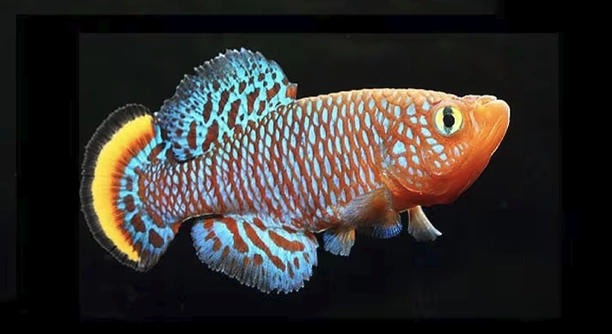
Killi fish are delicate creatures that need just the right water temperature to thrive. Knowing when they feel cold is important for their health and happiness. Paying attention to their behavior can help keep them comfortable.
Killi fish showing signs of being cold often exhibit slower movement, reduced feeding, and clustering near heat sources. These behavioral changes indicate stress due to low water temperature, which can affect their metabolism and overall well-being.
Recognizing these signs early helps prevent illness and ensures your fish stay active and healthy in their environment.
Signs of Slowed Movement and Lethargy
When killi fish are cold, their activity noticeably decreases. They swim more slowly and often rest near the bottom or close to decorations. This lethargy occurs because cold temperatures slow their metabolism, making them less energetic. You might also notice they stop chasing food or exploring the tank as usual. Sometimes, they cluster together, trying to share warmth, which is a clear sign they are feeling chilly. It’s important to observe these behaviors regularly to catch any changes early before health issues arise.
Cold water slows down a killi fish’s metabolism, causing them to move sluggishly and lose interest in normal activities.
If you notice your killi fish barely moving or refusing food, it’s time to check the water temperature. Maintaining a stable, appropriate temperature keeps them lively and healthy. Adjusting the heater or adding a thermometer can help you create a more comfortable environment for your fish. Regular monitoring prevents stress and illness linked to cold water. This small step makes a big difference in their well-being.
Changes in Color and Appearance
Cold stress can cause killi fish to lose their vibrant colors. Their scales may appear dull or faded, making them look less healthy. This color change happens because lower temperatures affect their natural pigment cells, reducing brightness. Sometimes, the fish might even develop pale patches or slight discoloration. This is a warning sign that the fish is uncomfortable and could become sick if the temperature isn’t adjusted quickly. Observing your fish’s color regularly helps you notice subtle shifts before more serious problems develop. Keeping the water temperature consistent and warm enough is key to maintaining their natural beauty and health.
Clustering Near the Heater
Killi fish often group near the heater when they feel cold. This behavior helps them find warmth in the tank.
When the water temperature drops, killi fish instinctively seek warmer spots. Clustering near the heater is a way to conserve body heat and protect themselves from cold stress. This grouping can look like they are huddling together, sometimes staying very still. If you notice this behavior, it means the tank’s temperature is likely too low for their comfort. It’s important to check the heater’s settings and ensure it is working properly. A reliable heater helps maintain a stable temperature that keeps your killi fish safe and active.
Constant clustering near the heater can indicate ongoing temperature issues. Addressing this quickly prevents stress-related illnesses and supports your fish’s natural behavior and health.
Changes in Breathing Rate
Cold water slows down killi fish, but their breathing rate can actually increase or become irregular. Rapid gill movement may be a sign they are struggling to get enough oxygen in cooler water. Low temperatures reduce oxygen availability, and fish work harder to breathe. Watching their breathing can give clues about their comfort level. If breathing looks labored, it’s a sign the environment isn’t ideal. Making sure the water temperature is stable and oxygen-rich supports healthier breathing and reduces stress. Adding aeration or improving filtration might help maintain good oxygen levels along with proper heat.
Reduced Appetite
Killi fish often eat less when they are cold. Their slowed metabolism means they need less food and show less interest in eating.
If you notice your fish ignoring food or eating only a little, it might be due to low water temperature. Ensuring the water is warm enough encourages a healthy appetite and proper digestion.
Clamped Fins
Clamped fins happen when killi fish hold their fins close to their body. This is a common sign of discomfort or stress caused by cold water.
When fins stay tight instead of spreading out naturally, it shows the fish is not feeling well. Maintaining a steady, warm temperature helps your fish relax and keep their fins healthy.
Erratic Swimming
Erratic swimming is another sign that your killi fish might be cold. They may dart around suddenly or seem uncoordinated in the water.
This behavior can result from muscle stiffness or nervousness caused by cold temperatures. Keeping the tank warm helps prevent these issues and keeps your fish swimming smoothly.
FAQ
How cold is too cold for killi fish?
Killi fish usually prefer water temperatures between 72°F and 79°F (22°C to 26°C). When temperatures drop below 68°F (20°C), they can start to feel cold. Prolonged exposure to temperatures under this range can cause stress and health problems.
What happens if killi fish get too cold?
If killi fish are too cold, their metabolism slows down, making them less active and reducing their appetite. They may become lethargic, lose color, and have difficulty breathing. Prolonged cold exposure weakens their immune system, increasing the risk of illness or death.
How can I quickly warm up my killi fish tank?
To warm your tank quickly, first check the heater to make sure it’s working properly. You can also add a reliable aquarium heater if you don’t have one. Avoid sudden large temperature changes by increasing the temperature gradually to prevent shock. Covering the tank to retain heat can help as well.
Can killi fish survive in unheated tanks?
Killi fish can survive short periods without a heater if the room temperature is stable and within their comfort range. However, most killi fish need a heater to maintain consistent warmth. Sudden temperature drops or cold water can cause stress and harm them over time.
What are the signs that my killi fish are recovering from cold stress?
Signs of recovery include returning to normal swimming patterns, eating regularly, and regaining their vibrant colors. Their fins will stop clamping, and breathing should return to a steady, calm rhythm. You may also see more interaction with their environment and other fish.
Is it okay if killi fish stay near the heater all the time?
If killi fish stay close to the heater frequently, it usually means the water is too cold elsewhere. This behavior shows they are trying to find warmth. It’s a sign to adjust the tank’s temperature evenly to ensure their entire environment is comfortable.
How often should I check the water temperature?
It’s best to check the water temperature daily, especially if your tank doesn’t have a built-in thermostat. This helps you catch any changes early. Consistent temperature monitoring ensures your killi fish stay in a healthy and stable environment.
Can sudden temperature changes harm killi fish?
Yes, sudden temperature changes can shock killi fish and cause serious stress. Rapid drops or increases in temperature disrupt their metabolism and immune system. Always make adjustments gradually to keep their environment stable and safe.
What other tank conditions affect how cold killi fish feel?
Besides temperature, factors like water flow, aeration, and tank size influence how cold your fish feel. Poor water circulation or low oxygen levels can worsen the effects of cold. Proper filtration and aeration help maintain a healthy environment that supports your fish’s well-being.
Can diet help killi fish cope with colder water?
A nutritious diet supports your killi fish’s immune system and helps them cope with stress, including cold water. Feeding high-quality food rich in vitamins and proteins can improve their resilience. However, diet alone can’t replace the need for proper water temperature control.
Final Thoughts
Keeping killi fish healthy means paying close attention to the water temperature. Cold water can cause many problems, from slow movement to health issues. It is important to recognize the signs when your fish are feeling cold, such as less activity, loss of color, or clustering near the heater. These signals show that your fish need a warmer and more stable environment. By acting early, you can prevent serious problems and keep your killi fish comfortable and lively.
Maintaining the right temperature in the tank is a simple but crucial step for caring for killi fish. Using a reliable heater and a thermometer helps keep the water at the best level for their health. Remember that sudden changes in temperature can stress your fish, so it is important to adjust heat gradually. Checking the temperature every day ensures that you catch any problems before they affect your fish. Along with proper temperature, clean water and a balanced diet support your fish’s well-being.
Watching your killi fish closely and understanding their behavior helps you spot when something is wrong. Being aware of signs like clamped fins, erratic swimming, or a lack of appetite gives you a chance to improve their environment quickly. With consistent care, you can enjoy watching your killi fish thrive. Warm, stable water combined with good care creates a safe and happy home for your fish. This simple attention makes a big difference in their health and happiness.

Hello,
If you enjoy the content that we create, please consider saying a "Thank You!" by leaving a tip.
Every little bit helps us continue crafting quality advice that supports the health, happiness, and well-being of pets around the world, for pets of all shapes, sizes, and species.
We really appreciate the kindness and support that you show us!