
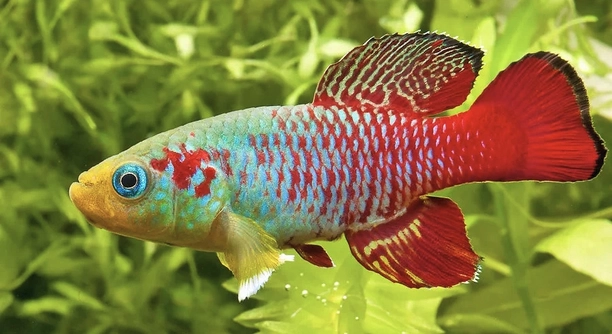
Many people notice how in groups of killi fish, only one often chases the others. This behavior can seem puzzling but is quite common in their natural interactions. Understanding this can reveal important details about their social habits.
The reason only one killi chases the rest is usually linked to dominance and territory. This fish asserts control over space and resources by chasing others, which reduces competition and establishes a social hierarchy within the group.
Learning why this happens helps in caring for killi fish properly and creating a peaceful environment in your aquarium. This simple behavior has a bigger meaning than it first appears.
Understanding Killi Fish Behavior
Killi fish are small, lively creatures often kept in home aquariums. Their behavior can seem confusing, especially when you see one chasing the others. This chasing is not random but a natural way to communicate. The chasing fish usually wants to show dominance or protect its territory. In the wild, this helps them secure food and mates. When one killi chases others, it sets a pecking order that keeps the group stable. Without this behavior, the fish might fight more aggressively, which can cause injury or stress. Knowing this helps you understand why the chasing happens and how it affects the group’s balance. It’s a simple way they keep peace through establishing roles.
This behavior also signals which fish is strongest or most confident. It is a form of social control.
Observing these interactions can teach you how to manage your aquarium better. Adjusting tank size or hiding spots can reduce stress and chasing intensity. Providing enough space and decorations gives the fish places to retreat, which lowers conflict. This leads to a healthier, calmer environment for all the killi fish in the tank.
When Chasing Becomes a Problem
Sometimes the chasing fish can be too aggressive.
If one killi chases the others constantly, it may stress them out or cause injury. This happens when the dominant fish feels crowded or threatened. Stress lowers their immune system, making them more prone to disease.
To prevent this, ensure your tank is large enough and has plenty of plants or hiding places. This allows the chased fish to escape and reduces tension. Keeping more than one dominant male can also cause increased fighting, so it’s best to monitor how many aggressive fish share the same space. In some cases, separating the aggressive fish or adding more companions to spread attention can help. Watching their behavior regularly helps you catch problems early and keep your killi fish happy.
The Role of Tank Environment
A well-arranged tank can reduce chasing.
Plants, rocks, and decorations create hiding spots where less dominant killi can rest safely. These shelters break up sightlines, so the chasing fish cannot easily track others all the time.
Providing a variety of hiding places encourages natural behavior. It gives the chased fish a break and reduces stress. Without these refuges, constant chasing can harm the less dominant fish. Adding live plants also improves water quality, benefiting all fish. Changing the layout occasionally can keep the environment interesting and reduce boredom-driven aggression.
The tank size also matters. A cramped tank increases competition and chasing. A larger tank allows fish to spread out, lowering tension and fights. For multiple killi, more space means each fish can claim its own area without constant interference.
Social Dynamics Within the Group
Killi fish establish clear social ranks.
The chasing fish usually holds the top position in this hierarchy. It enforces its status by chasing to remind others of their rank. Lower-ranking fish avoid conflict by yielding or hiding. This hierarchy prevents continuous fighting. It creates order where each fish knows its place.
Sometimes new fish upset the balance. Introducing newcomers can trigger more chasing as the dominant fish defends its territory. Gradual introductions and careful observation can help maintain peace. Mixing compatible fish species also reduces tension since different species often ignore each other’s social rules. Understanding these social patterns is key to managing your aquarium successfully.
Managing Aggression in Your Tank
Aggression is natural but needs control.
Too much chasing can harm fish and disrupt tank harmony.
Introducing New Fish
New fish can upset social balance. Slowly adding them reduces stress. Observing behavior after introductions helps catch problems early. Sometimes, rearranging tank decorations can help re-establish territories and lower aggression levels.
Feeding and Its Impact
Uneven feeding can increase chasing. Feeding all fish evenly reduces competition. Providing food in different tank areas encourages peace and sharing.
When to Separate Fish
If chasing leads to injury, separating fish is necessary. It protects health and keeps the tank calm.
FAQ
Why does only one killi fish chase the others?
Usually, this happens because the chasing fish is asserting dominance. In killi groups, one fish often becomes the leader or dominant individual. Chasing helps it protect territory, control resources, and remind others of its position. This behavior keeps the group’s social structure stable and reduces more serious fights.
Is chasing harmful to the other fish?
Chasing in small amounts is normal and usually harmless. However, if the chasing is constant and aggressive, it can stress the other fish and lead to injury. Stress weakens their immune system, making them more vulnerable to illness. Providing hiding spots and enough space helps lower aggressive chasing.
How can I reduce chasing in my aquarium?
Creating plenty of hiding places with plants, rocks, and decorations is key. These give the chased fish places to escape. Also, keeping a larger tank reduces competition. Feeding fish evenly and introducing new fish slowly helps, too. Sometimes rearranging the tank helps reset territories and calm fish down.
Can adding more fish stop one from chasing?
Adding more fish can sometimes spread out the attention of the dominant fish, which reduces constant chasing of one individual. But adding too many fish or too many aggressive males can increase fighting. It’s best to observe how your fish interact and adjust accordingly.
What tank size is best for killi fish?
A larger tank is always better to reduce stress and aggression. For a small group of killi, a tank of at least 10 gallons is recommended. Bigger tanks allow each fish to claim their own space and avoid constant encounters that lead to chasing.
Do male and female killi behave differently in terms of chasing?
Males are usually more aggressive and likely to chase others, especially other males. Females tend to be less aggressive but may chase during breeding times. Separating males or keeping one male with several females can reduce male-to-male chasing.
Is it normal for chasing to increase during breeding?
Yes, chasing often intensifies during breeding because males compete for mates and territory. This behavior is temporary and usually decreases after breeding is over. Providing extra hiding places can help females avoid too much stress during this time.
How can I tell if chasing is too much?
If you see fish hiding constantly, looking stressed, or showing injuries like torn fins, chasing is too aggressive. Fish that stop eating or swim erratically may also be suffering from stress. If this happens, consider adding more hiding spots or separating the aggressive fish.
Can rearranging the tank decorations reduce chasing?
Yes, changing the tank layout breaks established territories. This can lower aggression temporarily by forcing fish to adjust their spaces. Rearranging plants and rocks every few weeks keeps the environment fresh and can reduce repetitive chasing behavior.
What should I do if chasing causes injury?
If injuries appear, separate the injured or aggressive fish immediately. Treat wounds with appropriate medication and keep the injured fish in a calm environment to recover. Prevent further harm by improving tank conditions and monitoring interactions closely.
Are certain killi species more aggressive than others?
Yes, some species are naturally more territorial and aggressive. Research the species before buying to know what to expect. Choosing less aggressive species or mixing compatible types helps maintain peace in your tank.
Can stress from chasing affect the lifespan of killi fish?
Chronic stress from constant chasing weakens immune systems and can shorten a fish’s life. Providing a balanced environment with enough space and hiding places helps reduce stress and supports healthier, longer-lived fish.
Is it okay to have just one killi fish to avoid chasing?
Keeping a single killi fish avoids chasing but may cause loneliness or boredom since they are social creatures. If you keep one, provide enrichment like plants and decorations to keep it stimulated.
How often should I observe my killi fish for chasing behavior?
Daily observation is best. Watching their behavior regularly helps catch early signs of stress or aggression. Quick action prevents problems from growing and keeps your tank peaceful.
Does water quality affect chasing behavior?
Poor water quality increases stress and aggression. Keeping water clean, well-filtered, and at proper temperature reduces chasing caused by discomfort. Regular water changes and testing are essential for a healthy tank.
Can feeding schedule impact chasing?
Yes, irregular or uneven feeding may cause competition and chasing. Feeding all fish at the same time and distributing food throughout the tank helps keep peace during mealtime.
What signs show that chasing is part of natural behavior, not aggression?
Brief chasing with pauses, no injuries, and fish still swimming freely usually means natural dominance behavior. If the group remains active and healthy, the chasing is part of their social structure, not harmful aggression.
Can introducing tank mates of different species reduce chasing?
Sometimes mixing peaceful species that don’t compete directly with killi fish lowers chasing. Different species often ignore each other’s social ranks, which reduces tension. Research compatibility before mixing species to avoid new problems.
How important is lighting in managing chasing behavior?
Proper lighting helps fish maintain natural activity cycles. Too much light can increase stress, while too little may affect their behavior. Balanced lighting encourages calmness and normal interaction. Adjust light duration to match natural daylight patterns.
Are there behavioral signs that show a fish is about to become dominant?
A fish that swims confidently, explores the tank first, and initiates chasing often rises to dominance. It may also display brighter colors or more frequent fin displays. Watching these signs helps predict changes in group dynamics.
The behavior of one killi fish chasing the rest is a natural part of their social life. It helps the fish set a clear order within the group. This chasing is mostly about showing dominance and protecting territory. It is not meant to harm but to keep peace by reducing serious fights. Understanding this behavior can make caring for killi fish easier. When you know why the chasing happens, you can better manage their environment to reduce stress and aggression. This leads to healthier fish and a calmer tank overall.
Creating a good home for your killi fish is important. The tank should have enough space for each fish to have its own area. Adding plants, rocks, and decorations provides hiding spots that the chased fish can use to rest. These hiding places help lower stress and give the fish a chance to recover from chasing. Feeding the fish evenly and slowly introducing new fish to the tank also help keep the group balanced. Watching your fish regularly allows you to see when the chasing is becoming too much and take action before anyone gets hurt.
Sometimes, chasing can become a problem if one fish is too aggressive. In these cases, separating the aggressive fish or rearranging the tank might be needed. It is important to act early to prevent injuries and stress. Keeping the water clean and the environment stable also helps reduce aggressive behavior. Remember, a peaceful aquarium comes from understanding the natural habits of your fish and meeting their needs. With patience and care, you can create a space where your killi fish thrive and their natural behaviors don’t cause harm.

Hello,
If you enjoy the content that we create, please consider saying a "Thank You!" by leaving a tip.
Every little bit helps us continue crafting quality advice that supports the health, happiness, and well-being of pets around the world, for pets of all shapes, sizes, and species.
We really appreciate the kindness and support that you show us!