
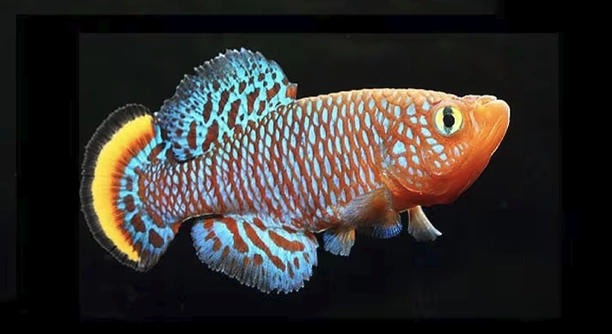
Are your killi fish showing changes in behavior when the light shifts in their tank? Many fishkeepers notice that light can influence how these small, colorful fish act and feel in their environment. Light plays a role in their daily routine and well-being.
Killi fish are indeed sensitive to changes in light intensity and duration. Sudden shifts can cause stress, altering their behavior and activity levels. Maintaining a consistent light schedule helps support their natural rhythms and overall health.
Understanding how light affects killi fish can improve how you care for them. This knowledge ensures they thrive comfortably in your aquarium environment.
How Light Affects Killi Fish Behavior
Light plays a crucial role in how killi fish behave. These fish rely on natural light cycles to regulate their activity, feeding, and resting patterns. Sudden changes in light, such as turning the tank lights on or off abruptly, can cause stress. When stressed, killi fish might hide more, swim less, or become more aggressive. Consistent lighting mimics their natural environment, helping them feel safe and comfortable. Dim or fluctuating light can confuse their internal biological clock, affecting their eating habits and energy levels. A gentle transition between light and darkness is ideal. Many keepers use timers to keep light exposure regular. This not only reduces stress but also supports breeding and overall vitality. Bright light, if too intense, may cause them to seek shelter, while too little light can lead to inactivity and poor health. Understanding this balance is important for maintaining a thriving aquarium.
Using a timer for lighting helps maintain stable conditions, making it easier for killi fish to adjust naturally.
Killi fish are sensitive to both the intensity and duration of light. Ensuring the tank receives about 10 to 12 hours of light daily promotes normal behavior. Avoid exposing them to direct sunlight or harsh artificial lights. Positioning the tank away from windows can help prevent sudden light changes. Gradually dimming or brightening the tank light simulates natural dawn and dusk, which killi fish respond to well. Maintaining these lighting habits reduces stress and encourages natural activity. Over time, you will notice healthier, more active fish that display their vivid colors and natural behaviors.
Signs of Light Stress in Killi Fish
Killi fish stressed by light changes often hide or stay still.
When light conditions are not ideal, killi fish exhibit signs such as darting suddenly, hiding behind plants, or becoming less active. Stress may also cause them to lose color or develop irregular swimming patterns. Prolonged exposure to inappropriate lighting can weaken their immune system, making them more vulnerable to diseases. Changes in light can disrupt their breeding cycles as well, reducing the chance of successful spawning. It is important to observe your fish carefully and adjust lighting if you see signs of discomfort. Simple changes like reducing brightness or adding floating plants to diffuse light can make a significant difference. Consistent lighting routines help build trust between the fish and their environment, making them more visible and interactive. Keeping track of these signs ensures you can act quickly to provide a stable habitat for your killi fish.
Adjusting Light to Suit Killi Fish
Killi fish respond best to gradual light changes rather than sudden shifts. Abrupt lighting can trigger stress responses quickly. A consistent light cycle helps them settle and behave naturally.
Using a timer is one of the easiest ways to create a stable environment. Set the tank light to turn on and off at the same time every day. This regularity helps the fish develop a natural rhythm, similar to what they experience in the wild. Avoid flickering lights or frequent manual changes, as these can cause confusion and anxiety. Adding floating plants can soften harsh lighting and provide shaded areas, giving the fish places to retreat if the light feels too strong.
It’s also helpful to observe how your fish react to different light intensities. Adjust the brightness accordingly to find a comfortable balance. Too much light may push the fish into hiding, while too little light can reduce activity and dull their colors. Small changes over time work better than big sudden shifts to keep killi fish stress-free.
Impact of Light on Killi Fish Breeding
Light duration directly affects killi fish spawning cycles. They need stable light patterns to breed successfully.
Killi fish are sensitive to changes in light length, which signals seasonal changes in their natural habitat. Extending light exposure to about 12 hours daily can encourage breeding behaviors like courtship displays and nest building. Conversely, irregular lighting or too little light can delay or halt breeding altogether. Maintaining a balanced light schedule supports egg development and fry survival. Consistent light also helps keep the fish healthy during this demanding period. Monitoring light and keeping it steady ensures your killi fish have the best chance to reproduce and thrive in captivity.
Choosing the Right Light for Killi Fish
Killi fish thrive under soft, natural lighting rather than harsh or overly bright lights. Gentle light reduces stress and encourages natural behavior.
LED lights with adjustable brightness are a good choice. They produce less heat and can be set to mimic dawn and dusk, creating a calming environment for the fish.
Effects of Light on Killi Fish Coloration
Proper lighting enhances the vibrant colors of killi fish. Bright, balanced light makes their scales shimmer and highlights their natural patterns. Insufficient or excessive light can dull their colors or cause fading over time. Maintaining moderate light levels helps keep their appearance healthy and vivid, contributing to their overall well-being.
Common Lighting Mistakes to Avoid
Rapid light changes and direct sunlight exposure often cause stress in killi fish.
Keeping lighting consistent and avoiding intense light spikes helps maintain a peaceful aquarium environment.
Benefits of Natural Light Cycles
Natural light cycles support killi fish’s internal biological rhythms, promoting better health and behavior. Regular light and dark periods simulate their wild environment, aiding feeding and resting patterns. This balance is key to a stable, thriving aquarium.
FAQ
Are killi fish harmed by sudden light changes?
Sudden changes in light can startle killi fish and cause stress. This stress may lead to hiding, erratic swimming, or loss of appetite. Frequent abrupt lighting shifts should be avoided. Using a timer to create gradual light transitions helps keep them calm and healthy.
How many hours of light do killi fish need daily?
Killi fish do best with about 10 to 12 hours of light each day. This amount simulates their natural daylight cycle and supports normal behavior, feeding, and breeding. Too much or too little light can disrupt their daily rhythms and cause stress.
Can too much light kill killi fish?
Excessive light alone usually does not kill killi fish, but it can cause chronic stress and weaken their immune system over time. This makes them more vulnerable to diseases. Providing shaded areas and keeping light levels moderate prevents these risks.
What type of lighting is best for a killi fish tank?
Soft, adjustable LED lighting is ideal. LEDs produce little heat and allow control over brightness and timing. Avoid harsh fluorescent or direct sunlight. Floating plants can help diffuse light and offer shaded spots for the fish to retreat.
Do killi fish prefer natural or artificial light?
Killi fish respond well to both natural and artificial light, as long as the intensity and duration are consistent. Sudden sunlight through windows can be disruptive. Artificial lights with timers offer more control, providing steady conditions that benefit the fish.
How can I tell if my killi fish is stressed by light?
Signs include hiding frequently, erratic swimming, loss of color, and reduced activity. If you notice these behaviors after changing lighting, adjust the light intensity or duration. Gradual changes are less likely to cause stress.
Should I keep the aquarium light on at night?
No, killi fish need a dark period to rest. Leaving lights on overnight disrupts their natural cycle, causing stress and affecting health. Use a timer to ensure consistent light and dark periods.
Does light affect killi fish breeding?
Yes, stable light cycles encourage breeding behavior. Around 12 hours of light daily helps trigger courtship and egg laying. Irregular lighting or too little light may delay or stop spawning.
Can changing light color impact killi fish?
Color temperature of the light can influence fish comfort. Natural white light is best, while very cool or warm tones may cause discomfort. Keep lighting natural and balanced to support their well-being.
Is it necessary to simulate dawn and dusk for killi fish?
Simulating gradual light changes that mimic dawn and dusk can reduce stress and create a natural environment. This can be done by slowly dimming or brightening lights using timers or adjustable LEDs.
How do plants affect light for killi fish?
Plants provide shade and soften bright light, giving fish places to hide when light feels too strong. They also help create a more natural and balanced tank environment, benefiting fish health and behavior.
Can inconsistent lighting cause illness in killi fish?
Yes, irregular lighting can cause stress, which weakens the immune system and makes fish prone to infections. Keeping a regular lighting schedule helps maintain their health.
Is direct sunlight harmful to killi fish tanks?
Direct sunlight can cause rapid temperature changes and increase algae growth. It also creates strong light spikes that stress the fish. Position the tank away from windows or use curtains to block direct sun.
What happens if killi fish receive too little light?
Insufficient light can lead to lethargy, poor coloration, and disrupted feeding habits. While killi fish don’t need intense lighting, a minimum of consistent moderate light is essential for their well-being.
How important is light consistency for killi fish?
Consistency is key. Killi fish rely on steady light and dark cycles to regulate biological functions. Fluctuating lighting disrupts these processes, leading to stress and abnormal behavior. Timers are useful tools to maintain consistency.
Final Thoughts
Killi fish are delicate creatures that respond strongly to their environment, especially to light. Proper lighting plays an important role in their health, behavior, and breeding success. Sudden changes or inconsistent light schedules can cause stress, which affects how they swim, eat, and interact. Maintaining a steady light cycle with moderate intensity helps these fish feel secure and encourages natural activity. Using timers and adjustable lighting can create a calm setting that mimics the conditions they experience in the wild. This reduces stress and supports their overall well-being.
It is also important to provide shaded areas or plants in the tank. These features help soften bright light and give killi fish places to retreat if they feel uncomfortable. Avoiding harsh lights or direct sunlight prevents overheating and keeps the water stable. Killi fish need about 10 to 12 hours of light daily to keep their biological clocks in sync. Too much or too little light can disturb their rest periods and feeding habits. By paying attention to lighting, you help your fish maintain their bright colors and lively behavior.
Lighting affects more than just how killi fish look and act—it also impacts their ability to breed. Stable, consistent light cycles encourage natural reproductive behaviors and increase the chances of successful spawning. Irregular or poor lighting may stop breeding altogether. Taking care to create a balanced light environment benefits both the health of your fish and their ability to reproduce. Overall, a well-planned lighting setup is essential for keeping killi fish happy and healthy in captivity. Proper lighting makes a noticeable difference in their quality of life and helps you enjoy a thriving aquarium.

Hello,
If you enjoy the content that we create, please consider saying a "Thank You!" by leaving a tip.
Every little bit helps us continue crafting quality advice that supports the health, happiness, and well-being of pets around the world, for pets of all shapes, sizes, and species.
We really appreciate the kindness and support that you show us!